News Summary
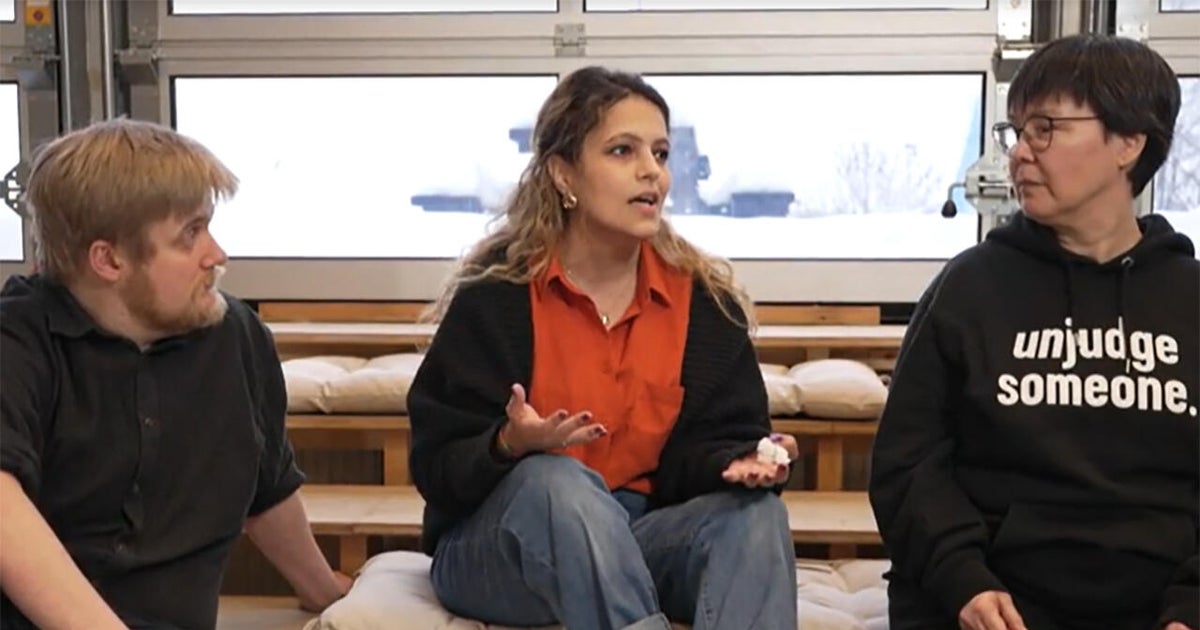
CBS News visited The Human Library in Copenhagen, founded 26 years ago by Ronni Abergel. The Human Library does not lend books but volunteers, called 'books,' who agree to 30-minute, guided conversations with visitors about a specific topic. The program trains volunteers to let the reader's curiosity shape the dialogue and sets personal boundaries for what volunteers will discuss. The initiative operates in more than 80 countries and typically runs sessions in public libraries, schools, universities, and online; it is funded by foundations and donations. Abergel said mental-health topics (schizophrenia, bipolar disorder, autism, anxiety, depression) are among the most requested. The story profiles three volunteers: Christian Sarner, a 33-year-old who was diagnosed with anxiety and schizophrenia and describes psychotic experiences and subsequent treatment; Noura Bitar, a Syrian political scientist and refugee who left Syria in 2011 and describes integration, stigma, and ongoing trauma; and Viva Olsen, a 55-year-old indigenous Greenlander who shared memories of hunting and moving to Denmark and who works in psychiatric care. The piece notes volunteers set conversational limits and quotes Abergel saying the goal is to reduce fear and increase understanding. The story also mentions a promotional offer of free Human Library cards to some viewers.
Biblical Reflection
The Human Library, as described, aims to humanize people whom society often reduces to labels — a goal that resonates with Christian commitments to truth-telling, compassion, and neighbor-love. Giving people space to tell their stories can correct false assumptions, reduce stigma, and restore dignity, all of which align with gospel concerns for the overlooked and suffering. The article presents largely positive, anecdotal portraits that illustrate benefit but offers limited critical scrutiny of safeguards, selection bias, or the support systems for volunteers who recount traumatic experiences. Christians should welcome efforts that foster honest listening and mutual understanding while remaining cautious about romanticizing disclosure or treating anecdote as comprehensive evidence. Practically, the practice reflects a largely secular, relational ethos: empathy and personal testimony are foregrounded as means of social change. That worldview can coexist with Christian truth, provided attention is paid to justice (ensuring fair treatment and legal protections for migrants and vulnerable people), pastoral care (offering spiritual and professional support for those who share deep wounds), and humility (recognizing that a single conversation rarely resolves systemic problems).
Scripture in context
This outlook does not yet include contextual Scripture citations. Do not treat a general biblical theme as an exegetical conclusion.
Faithful Response
No prescribed response is offered. Consider the reflection prompts below in your own church context.
Reflection and Discussion
- 1Whose voices are being included and whose are still missing — and how does that shape the conclusions listeners draw?
- 2Does the article rely on moving anecdotes without examining structural concerns (safeguards for vulnerable volunteers, follow-up care, or policy implications)?
- 3How does the emphasis on personal testimony as a vehicle for social change align with a Christian calling to both compassion and pursuit of justice?
Sources
Reporting links are evidence inputs; Sanctuary News' biblical reflection is commentary.
This outlook currently relies on fewer than two linked sources. Broaden verification before teaching from it.
- 1.Original reportprimary