News Summary
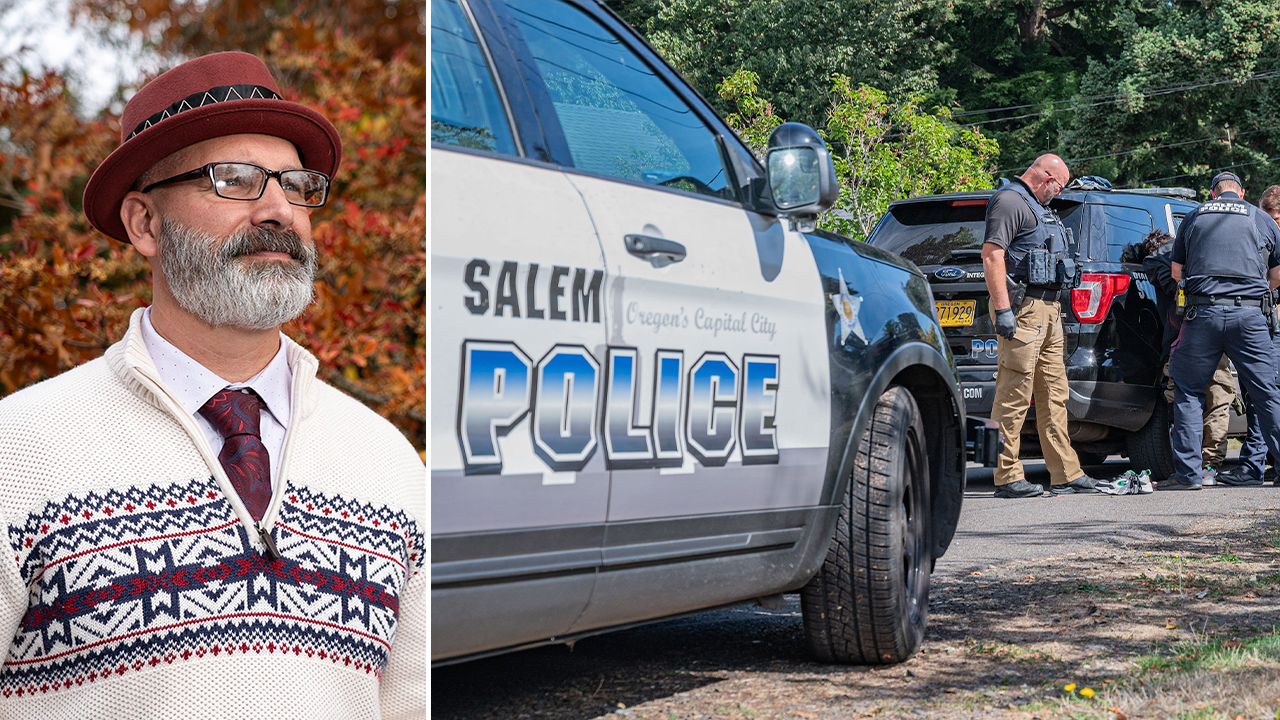
The Salem City Council in Oregon voted 5-4 to reappoint Kyle Hedquist, a man convicted of execution-style murder in 1995, to the Community Police Review Board, sparking significant controversy. Hedquist, who served 27 years in prison and was granted clemency by former Governor Kate Brown, had previously served on the board without issue. However, law enforcement officials and some city council members strongly opposed his reappointment, citing concerns about public safety, board legitimacy, and the trauma to victims’ families. Supporters argue that Hedquist’s lived experience with the criminal justice system brings valuable perspective and demonstrates the possibility of rehabilitation. The controversy is heightened by questions about the city’s vetting procedures for board appointments and the broader debate about the role of formerly incarcerated individuals in civic life. Despite the contention, Hedquist was also appointed to two other city commissions.
Biblical Reflection
This article presents a tension at the heart of biblical teaching: the reality of justice and the possibility of redemption. Scripture is clear about the seriousness of sin (Romans 6:23) and the need for justice (Micah 6:8; Romans 13:1-4), especially for the protection of the vulnerable and the maintenance of public trust. The pain and outrage of victims and their families must not be dismissed; justice for wrongdoing is a biblical imperative. At the same time, the gospel is rooted in the hope of transformation and forgiveness (2 Corinthians 5:17; Luke 15:11-32), calling believers to believe in the possibility of real change, even for those guilty of grave offenses. The appointment of a former murderer to a police oversight board stretches the boundaries of this tension: Does his participation undermine trust and retraumatize victims, or does it model the radical grace and second chances the gospel proclaims? Christians are called to hold both justice and mercy together, advocating for systems that balance accountability, restoration, and protection of the community. In this case, prayerful discernment, transparency, and sensitivity to all parties—victims, public, and the redeemed—are essential.
Scripture in context
This outlook does not yet include contextual Scripture citations. Do not treat a general biblical theme as an exegetical conclusion.
Faithful Response
No prescribed response is offered. Consider the reflection prompts below in your own church context.
Reflection and Discussion
- 1How do you personally balance justice and mercy when considering the consequences of serious wrongdoing?
- 2What role should forgiveness and transformation play in civic life, especially in positions of public trust?
- 3How can Christians advocate for both victim care and genuine opportunities for redemption in their communities?
Sources
Reporting links are evidence inputs; Sanctuary News' biblical reflection is commentary.
This outlook currently relies on fewer than two linked sources. Broaden verification before teaching from it.
- 1.Original reportprimary