News Summary
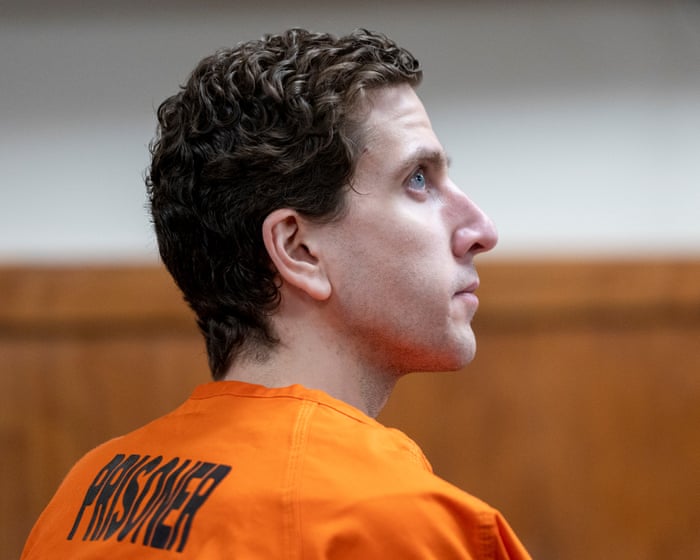
Reported facts: The Guardian reports that Bryan Kohberger, convicted last year for the 2022 killings of four University of Idaho students, has filed to withdraw a guilty plea and to request a new trial. The article names the victims (Madison Mogen, Kaylee Goncalves, Xana Kernodle and Ethan Chapin) and reports the nature of their injuries. Attributed claims: The filing reportedly says Kohberger pleaded guilty because he received bad legal advice; that allegation is presented as Kohberger's claim. Uncertainty: The article does not provide court filings, transcripts, or statements from Kohberger’s counsel or prosecutors to independently verify the reasons for the plea or the procedural history that led from plea to conviction.
Source and Framing Analysis
Material uncertainties affect this story: the article summarizes a legal filing but does not reproduce or link to the underlying court document, and it does not reconcile the apparent tension between a reported guilty plea and a later conviction by trial (or otherwise). That sequencing ambiguity matters materially to understanding whether the plea was entered at all, withdrawn, superseded by other proceedings, or otherwise mischaracterized. The report focuses on the defendant’s new filing and the victims’ injuries but lacks primary-source court material and responses from the prosecution or defense.
Biblical Reflection
This report describes a painful legal development in an already traumatic criminal case. For Christians, the core goods at stake are truth, justice, and care for the bereaved. The legal system exists to adjudicate fact and guilt fairly, and requests to withdraw pleas or seek new trials are part of legal safeguards when counsel or procedure may have been deficient. At the same time, public attention must not eclipse pastoral concern for the families who lost children and whose need for truth and closure remains primary.
Read charitably and critically: charity toward victims and their families urges us to avoid sensationalizing or prematurely drawing conclusions about motives or outcomes; critical discernment asks for documentary evidence (court filings, transcript excerpts) before accepting contested legal claims. A Christian response seeks both justice and mercy — calling for rigorous pursuit of facts in court while offering care and restraint in public speech so that truth-telling does not become trial-by-media or a source of further harm.
Finally, the article exposes the fragility of legal processes and human fallibility. Christians should pray for clarity, for competent and ethical legal advocacy, and for the protection of the vulnerable: the bereaved, the accused (who are image-bearers despite their alleged crimes), and the broader community disturbed by violence. We should support institutions that pursue justice while guarding against vindictiveness or gossip that undermines the dignity of all involved.
Scripture in context
- 1Psalm 34:18 — Psalm 34 is a lament and thanksgiving psalm traditionally attributed to David; it speaks to God’s nearness to those who are brokenhearted and crushed in spirit during times of suffering and fear. — This passage reminds Christians to bring care and presence to the grieving families and communities affected by violence, centering compassion rather than revenge in our immediate responses.
- 2Romans 12:17-21 — Paul addresses practical Christian ethics within community life, urging believers to avoid repaying evil for evil and to live peaceably with others, leaving ultimate vindication to God while overcoming evil with good. — Applied to public reaction to crime and contested legal processes, this counsel cautions believers against celebrating punitive outcomes, seeking vigilante justice online, or using a victim’s suffering for partisan advantage; instead, Christians are called to pursue justice while maintaining mercy and humility.
Faithful Response
Pray specifically for the victims’ families for comfort and for the legal process to produce truth and accountability.
Avoid sharing unverified rumors or inflammatory speculation; prioritize primary sources (court filings, official statements) before commenting.
Support ministries or local church efforts that offer pastoral care to grieving students, families, and campus communities.
If involved in legal or civic work, advocate for fair legal representation, due process, and transparent court procedures that protect rights and seek justice.
Reflection and Discussion
- 1What pieces of legal evidence or official records would you need to see before forming a firm judgment about the claim that the guilty plea resulted from poor legal advice?
- 2How does Christian care for the grieving shape the way we discuss high-profile criminal cases in public and online spaces?
- 3In cases where the legal process is contested, how can Christians hold both a commitment to justice and a posture of mercy toward all parties?
Sources
Reporting links are evidence inputs; Sanctuary News' biblical reflection is commentary.
This outlook currently relies on fewer than two linked sources. Broaden verification before teaching from it.
Download source notes