News Summary
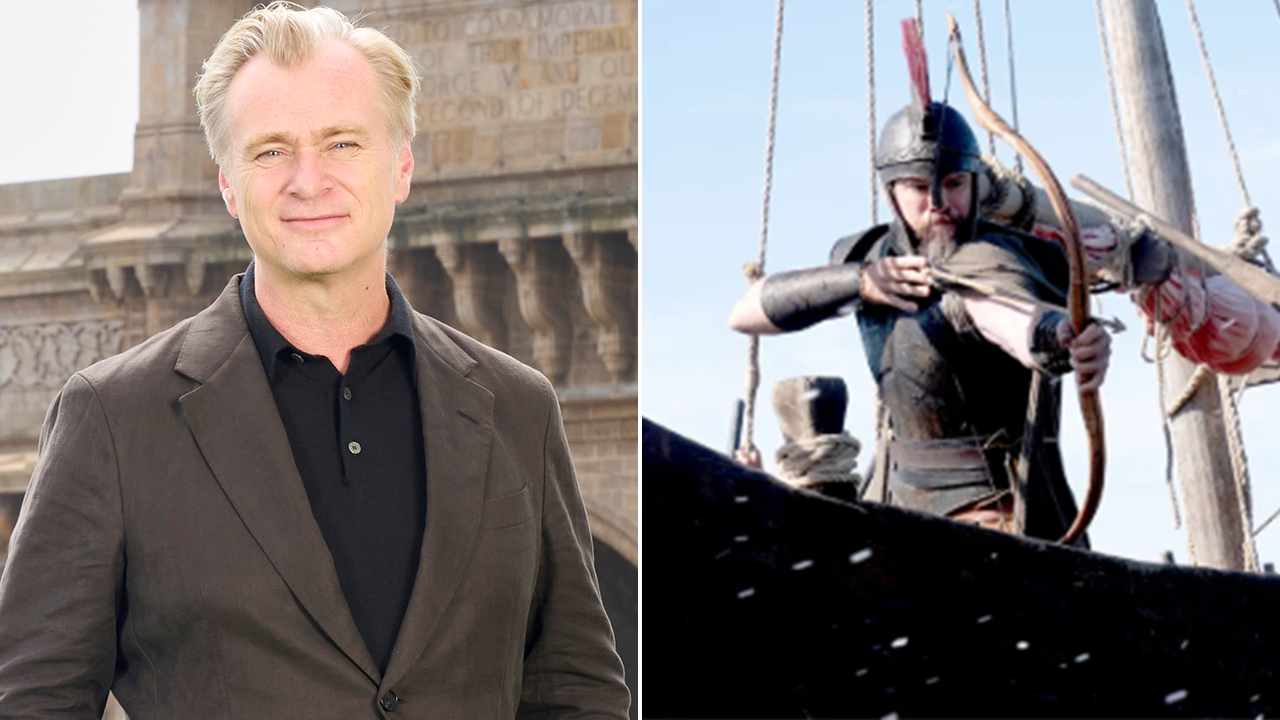
Christopher Nolan's film The Odyssey, a big-budget ($250M) Universal production with roughly $125M in marketing, has drawn pre-release controversy over casting, historical design choices, and dialogue style. The ensemble cast includes Matt Damon (Odysseus), Anne Hathaway (Penelope), Zendaya, Tom Holland (Telemachus), Robert Pattinson, Charlize Theron, Lupita Nyong'o (Helen of Troy), Elliot Page (Sinon), and Travis Scott (a bard). Critics on social media, some historians, and archaeologists questioned casting choices (including Nyong'o in a role Homer describes in race-tinged language), the absence of visibly Mediterranean actors, and alleged anachronistic costume, armor and ship designs. Trailers also prompted pushback over modern dialogue and American accents. Nolan and cast members defended the creative choices as artistic interpretation, world-building informed by fragmentary Mycenaean evidence, and efforts to make the story resonate with modern audiences; Nolan called pre-release criticism “irrelevant.” PR and box-office analysts interviewed by Fox News Digital said the controversy is unlikely to harm commercial prospects and may boost awareness; industry trackers projected a strong opening weekend and substantial global grosses to make the film profitable. The article reports these debates and includes commentary from PR experts, Nolan’s explanations for production choices (including use of the Norwegian Draken ship), and projected box-office estimates.
Biblical Reflection
This story sits at the intersection of art, commerce, identity, and historical interpretation. The article reports facts about casting, budget and public reaction while largely relaying experts who expect commercial success despite controversy. From a Christian discernment perspective, the situation invites careful distinction between legitimate critique and reflexive outrage. Artistic works re-telling ancient stories are inevitably interpretive; creators exercise stewardship of their medium but are also accountable to truth and to how their choices affect neighbors—especially those marginalized by history. Social media amplifies extremes, often reducing complex questions (artistic license, representation, historical uncertainty) to binary moral judgments. Christians should resist quick dehumanization of artists or critics, speak truth with humility, and practice mercy toward people on both sides. At the same time, representation and historical fidelity have moral weight when they shape cultural memory and dignity. Pray for wisdom to evaluate both the intentions behind creative choices and their real-world effects, for charity in public conversation, and for creators to pursue excellence without contempt.
Scripture in context
This outlook does not yet include contextual Scripture citations. Do not treat a general biblical theme as an exegetical conclusion.
Faithful Response
No prescribed response is offered. Consider the reflection prompts below in your own church context.
Reflection and Discussion
- 1Are my reactions shaped more by social-media outrage or by careful engagement with the film's aims and evidence?
- 2Do I prioritize artistic freedom, historical fidelity, or the dignity of those represented—and can those priorities coexist?
- 3How does amplifying anger or mockery about a work of art advance mercy, truth, or the common good?
Sources
Reporting links are evidence inputs; Sanctuary News' biblical reflection is commentary.
This outlook currently relies on fewer than two linked sources. Broaden verification before teaching from it.
- 1.Original reportprimary