News Summary
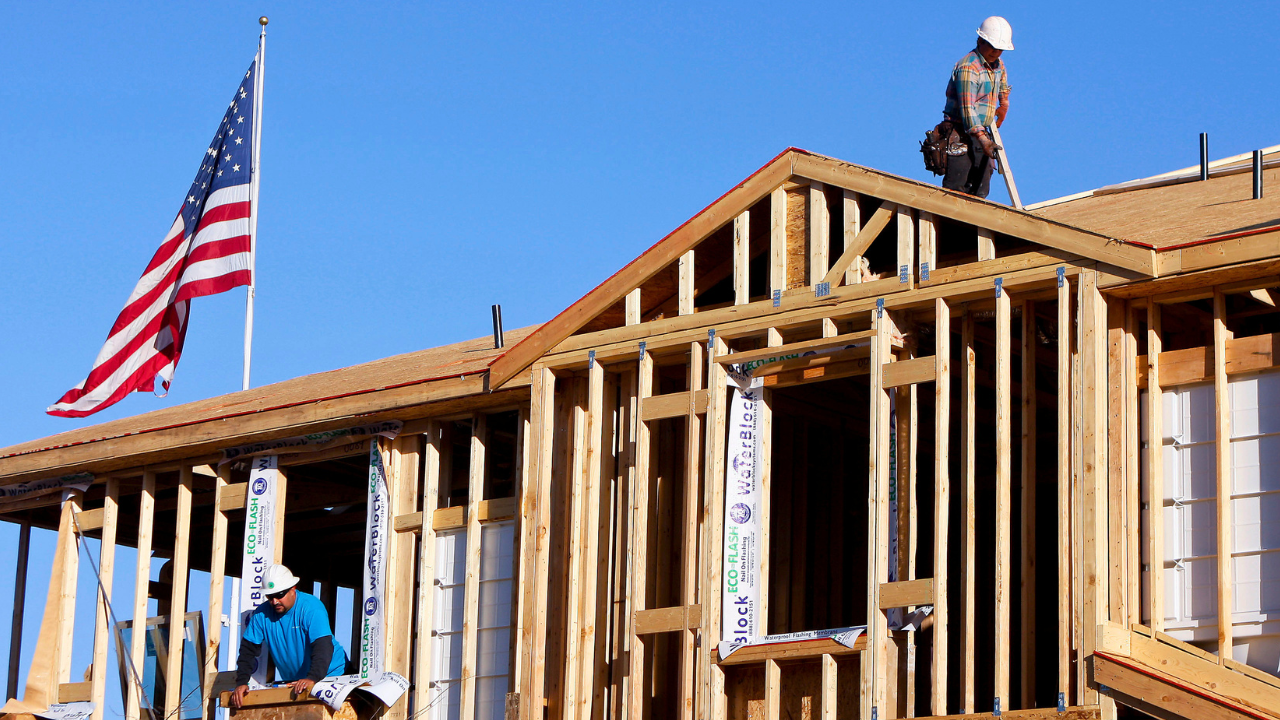
Builders and industry groups report a persistent shortage of skilled construction workers that is constraining new-home supply and worsening U.S. housing affordability. The National Association of Home Builders (NAHB) and Home Builders Institute estimate the industry is short roughly 250,000 workers each month (previously as high as 400,000) and will need about 723,000 new workers annually to meet demand and help close an estimated 1.5 million-home gap. Industry leaders say labor constraints add roughly two months to building timelines, increase costs, and delay home deliveries. NAHB also cites regulatory costs that it estimates add nearly $95,000 to the price of a typical new home. Builders point to an aging trades workforce, low numbers of younger workers entering skilled trades, and immigration policy gaps; immigrants currently make up about one-third of the homebuilding contractor workforce, according to NAHB. Industry representatives say solutions include workforce-development programs, attracting more Americans to the trades, and immigration reforms to create legal pathways and visas for construction workers.
Biblical Reflection
The article highlights a concrete, practical barrier to expanding affordable housing: a labor shortage that makes construction slower and more expensive. Its primary sources are industry groups with an interest in increasing labor supply and production; their diagnosis — aging workforce, low youth entry, and reliance on immigrant labor — is plausible and consistent with other reporting, but the piece centers industry perspectives and policy prescriptions (notably immigration reform) without deeply examining alternative or complementary causes and remedies (zoning, land costs, financing, local permitting delays, wage incentives, or union dynamics). From a Christian pastoral perspective, the situation touches on several moral concerns: the dignity of work and training, hospitality to migrants who contribute labor, and justice for families priced out of housing. Christians should be careful to weigh economic claims against independent data, avoid simplistic blame, and advocate for solutions that protect workers’ dignity, secure communities, and help vulnerable families access stable homes. Policy responses that combine vocational training, fair wages and working conditions, humane and orderly immigration pathways, and sensible land-use reform are more likely to reflect both practical wisdom and neighbor-love than single-focus fixes.
Scripture in context
This outlook does not yet include contextual Scripture citations. Do not treat a general biblical theme as an exegetical conclusion.
Faithful Response
No prescribed response is offered. Consider the reflection prompts below in your own church context.
Reflection and Discussion
- 1By foregrounding builders' voices and immigration as a primary fix, what other structural causes (zoning, land costs, permitting delays, financing) might the article underemphasize?
- 2Whose dignity and safety are centered in proposed solutions—seasoned tradespeople, younger workers, immigrant laborers, or prospective homebuyers—and how would that change which policies we support?
- 3How should Christians balance support for legal, orderly immigration pathways with commitments to local workforce development and care for those priced out of housing?
Sources
Reporting links are evidence inputs; Sanctuary News' biblical reflection is commentary.
This outlook currently relies on fewer than two linked sources. Broaden verification before teaching from it.
- 1.Original reportprimary