News Summary
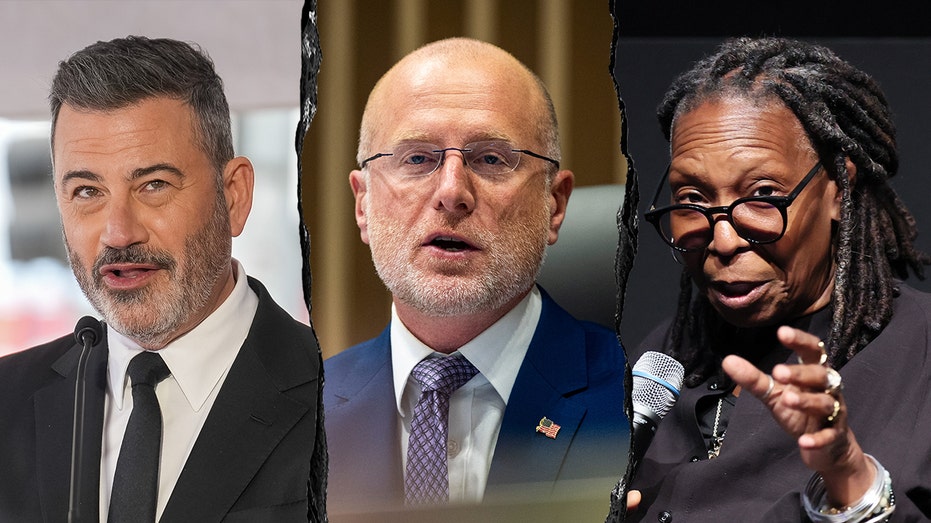
Reported facts: Fox News reports conservative groups urged FCC Chairman Brendan Carr to preserve routine broadcast license-renewal procedures and warned that a reported review or precedent involving ABC could be used to disadvantage right-leaning media. Attributed claims: the warnings and the request are presented as coming from unnamed conservative groups; the article attributes the concern that an “ABC precedent” could harm right-leaning outlets to those groups. Uncertainty: the supplied article excerpt contains no direct quotes, no named organizations, no FCC or ABC statements, and no documentation of the alleged ABC license review; independent corroboration is absent in the supplied source.
Source and Framing Analysis
Material uncertainties that affect the story: the supplied report does not identify which conservative groups made the request, does not quote any letter or filing, and does not include responses from the FCC or ABC. The framing emphasizes the conservative groups' warning and frames the ABC matter as a precedent that could 'hurt right-leaning media'; that framing reflects the interests of the sources reported but is not independently verified in the supplied text. Additional primary documents (letters to the FCC, FCC orders or notices, statements from ABC) are needed to evaluate the factual basis and legal significance of the claimed precedent.
Biblical Reflection
This story raises legitimate civic questions about regulatory power and the protection of open discourse. Christians should care about truthful public conversation and fair, neutral application of laws and rules because healthy civic institutions help neighbors flourish. At the same time, advocacy by interest groups—whether conservative or liberal—often mixes public-interest arguments with partisan self-interest, so Christians should weigh claims carefully rather than accept alarm or reassurance uncritically.
Apply Christian virtues: pursue truth (seek multiple reliable sources and primary documents), practice mercy (avoid assuming bad motives for all parties), and insist on justice (support neutral, consistent enforcement of rules). When debates about media regulation arise, humility and peacemaking matter: defend free expression where it is genuinely threatened, but also examine whether particular outlets have previously broken standards that justify review.
Finally, be attentive to how power affects vulnerable neighbors. Regulatory tools can be used rightly to protect the public or wrongly to silence dissent; Christians should advocate for processes that are transparent, accountable, and protect the common good.
Scripture in context
- 1Ephesians 4:15 — Paul's letter to the Ephesians urges the church to speak the truth in love so the community grows in maturity and unity rather than being driven by falsehood or divisive speech. — In public disputes over regulation and speech, Christians are called to insist on truthful claims while tempering sharp rhetoric with humility and charity; we should pursue facts and speak responsibly about potential harms to others.
- 2Proverbs 31:8-9 — A wisdom saying that instructs the listener to speak up for those who cannot speak and defend the rights of the poor and needy. — When institutions wield power over information and access, Christians should be attentive to whether vulnerable voices are being silenced and advocate for processes that protect the common good, especially those who lack influence.
Faithful Response
Pray for leaders at the FCC, media organizations, and civic institutions to act with fairness and wisdom.
Seek primary sources: read any formal filings, FCC notices, or direct statements before forming a final judgment.
Practice charity in conversations—ask clarifying questions, avoid amplifying unverified claims, and correct misinformation if you encounter it.
Support transparent processes: encourage your representatives or church community to favor clear, neutral rules and public accountability rather than ad hoc punishments.
Reflection and Discussion
- 1Does the publicity around this claim push you toward certainty before the facts are available—how can you pause and seek evidence?
- 2Which values (truth, justice, mercy, humility, peace) are most at risk in debates about media regulation, and how should that ordering shape public responses?
- 3Whose voices are likely to be affected by regulatory changes, and how does concern for the vulnerable inform our position?
Sources
Reporting links are evidence inputs; Sanctuary News' biblical reflection is commentary.
This outlook currently relies on fewer than two linked sources. Broaden verification before teaching from it.
- 1.Conservative groups urge FCC to back off ABC license review, warning it could hurt right-leaning mediaprimary_reporting