News Summary
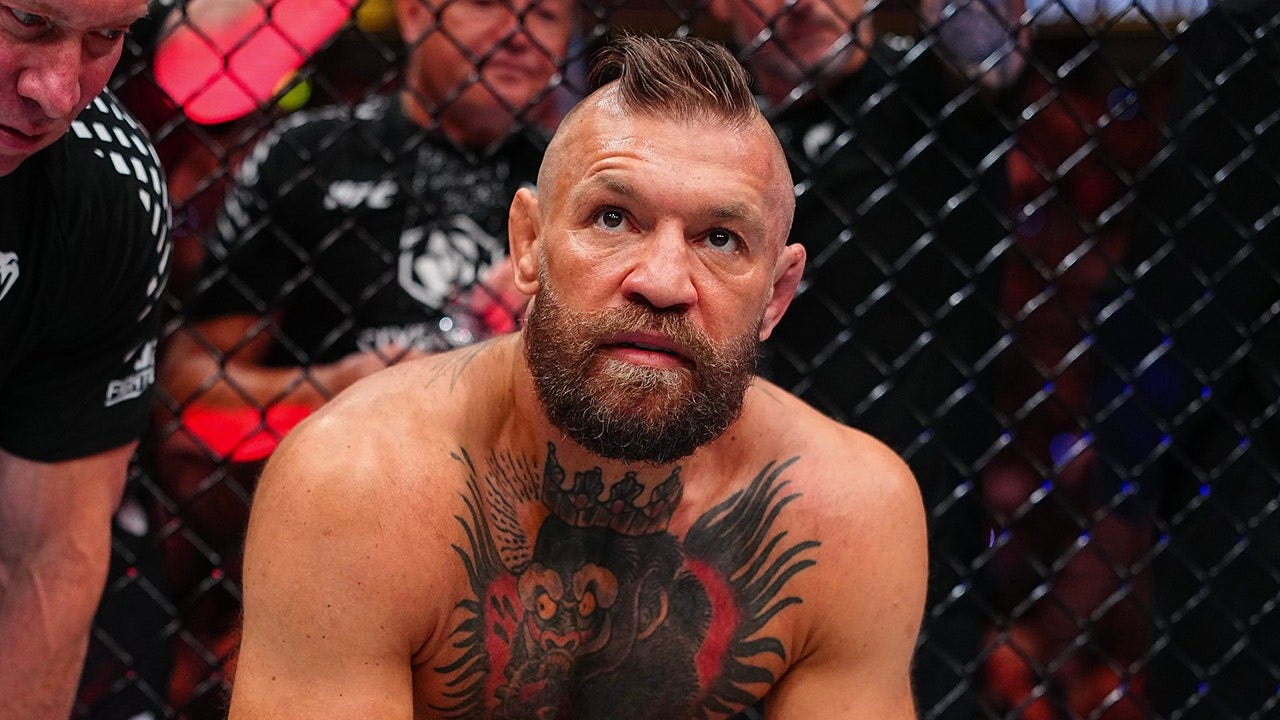
At UFC 329 on July 11, 2026, at T-Mobile Arena in Las Vegas, Conor McGregor returned to the octagon after roughly five years to face Max Holloway. In the opening round McGregor attempted a jumping roundhouse kick that missed; he immediately grabbed his knee, struggled to continue, and referee Mike Beltran stopped the fight after McGregor could not land subsequent kicks properly. Broadcasters including Joe Rogan and Daniel Cormier suggested the kick put damaging pressure on McGregor’s knee and speculated he blew an ACL; UFC president Dana White said doctors told him McGregor tore his ACL, though scans were noted as necessary to confirm the diagnosis. McGregor tweeted that he entered the fight healthy and described the outcome as sudden and devastating. The finish was recorded as a TKO and McGregor’s career record moved to 22-7.
Biblical Reflection
The piece reports a high-profile sports injury and centers on broadcasters' immediate analysis. Several commentators offered medical-sounding conclusions before scans confirmed a diagnosis; Dana White relayed doctors' assessments, but definitive confirmation awaited imaging. The article’s framing leans toward dramatic commentary ("you don't do that") and cause attribution (blaming the specific kick and long layoff), which is typical in sports media eager for explanation. From a Christian pastoral lens, the situation calls for truth-seeking (distinguishing verified medical fact from opinion), compassion for a person confronting sudden loss and identity shock, and humility about how quickly physical ability can change. The sports culture that applauds risk and comeback narratives can elevate achievement but also encourages decisions that put bodies at serious risk; Christians should neither revel in an athlete’s suffering nor uncritically praise choices that recklessly endanger health. Reporting that leans on speculation should be read with caution; the faithful response is to seek facts, offer mercy, and pray for healing and wise care for the injured.
Scripture in context
This outlook does not yet include contextual Scripture citations. Do not treat a general biblical theme as an exegetical conclusion.
Faithful Response
No prescribed response is offered. Consider the reflection prompts below in your own church context.
Reflection and Discussion
- 1How does instant pundit commentary shape our understanding of an athlete’s injury, and how should we weigh speculation versus confirmed medical facts?
- 2What idols—fame, comeback glory, or 'fearless' performance—might sports culture be encouraging, and how should Christians critique or love those caught up in them?
- 3When public figures suffer visible setbacks, does our response reflect mercy and neighbor-love or a hunger for drama and blame?
Sources
Reporting links are evidence inputs; Sanctuary News' biblical reflection is commentary.
This outlook currently relies on fewer than two linked sources. Broaden verification before teaching from it.
- 1.Original reportprimary