News Summary
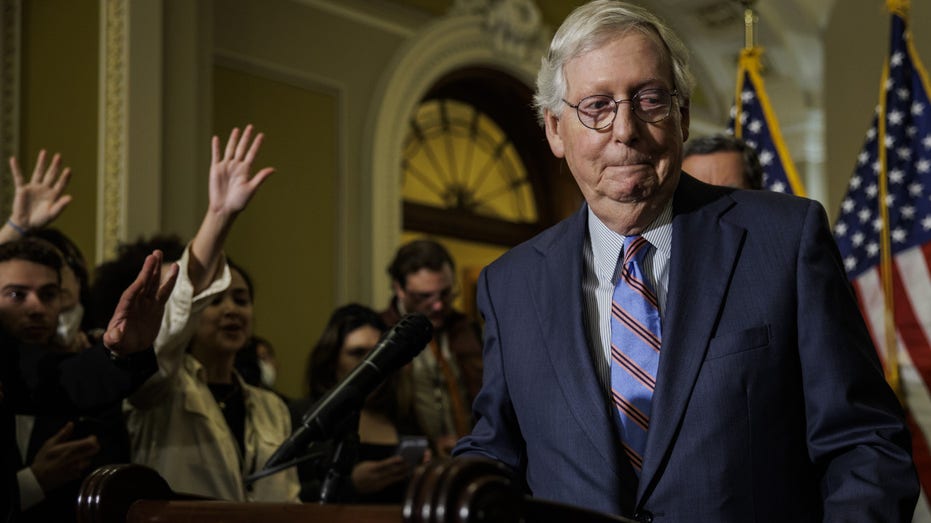
Reported facts: The article reports that absences by members of Congress reveal a constitutional or procedural gap regarding how to replace lawmakers who cannot serve. Attributed claims: The piece asserts that Congress has no clear plan to replace incapacitated or absent members and implies this gap harms representation and legislative functioning. Uncertainty: The article, as supplied, does not provide examples, legal citations, historical practice, state-by-state differences, or expert legal analysis to substantiate the scope or legal basis of the claimed gap.
Source and Framing Analysis
Material uncertainty stems from the lack of supporting detail in the supplied article text: it offers a summary assertion without examples, statutory or constitutional citations, or references to case law and state practice. That absence of evidentiary detail matters because succession and replacement rules for federal legislators intersect with the Constitution, federal statutes, and state election laws, and the practical solutions vary depending on chamber, state law, and the nature of the absence (temporary incapacity, resignation, death, or removal). The framing foregrounds a structural deficiency but leaves open important factual and legal context.
Biblical Reflection
The reporting highlights a real civic vulnerability: when elected officials are unable to serve, the people they represent may lack voice and accountability. Christians should care about institutional integrity because healthy institutions protect neighbors and enable just public life. Truth-seeking requires we not assume malice or conspiracy from the absence of a neat procedural fix; rather, we should acknowledge complexity (constitutional text, state law differences, and separation of powers) and the practical consequences for representation.
The article’s framing raises questions about priorities—whether the emphasis is on partisan advantage, procedural clarity, or the public good. A Christian reading asks whether the conversation centers the common good and vulnerable citizens who lose representation when seats sit effectively vacant. We should press for policies that serve justice and peace, avoid fear-driven rhetoric, and pursue reforms with humility and a willingness to listen across divides.
Practically, Christians can advocate for thoughtful, non-partisan study and reform of legislative succession rules so that representation is reliable. We should also attend to pastoral care for communities affected by governance gaps and to our own responsibility as citizens to be informed, patient, and committed to truth in public discourse.
Scripture in context
- 1Romans 13:1-7 — Paul addresses the Christian relationship to governing authorities in the early Roman Empire, urging respect for institutions that order society while recognizing their limits and responsibilities. — This passage invites Christians to support lawful governance that protects neighbors and to seek reform where institutions fail to serve justice, while exercising humility and submitting to lawful processes rather than extra-legal remedies.
Faithful Response
Pray and discern before engaging publicly; prioritize truth and peace over partisan rhetoric.
Educate yourself and others about how representation and succession actually work (federal Constitution, Senate and House rules, and state laws).
Contact your elected officials respectfully to ask for transparent explanations and to encourage procedural reforms that protect the right of citizens to be represented.
Support nonpartisan civic groups studying legislative continuity and advocate for reforms grounded in justice and the common good.
Reflection and Discussion
- 1Who is most directly harmed when a legislative seat effectively goes unfilled, and are their needs centered in public discussion?
- 2What evidence would change our view about whether reform is necessary, and where should we look for that evidence?
- 3How should Christians balance respect for existing constitutional processes with prophetic calls for institutional reform?
Sources
Reporting links are evidence inputs; Sanctuary News' biblical reflection is commentary.
This outlook currently relies on fewer than two linked sources. Broaden verification before teaching from it.
- 1.Succession: Why Congress has no clear plan when lawmakers can’t serveprimary_reporting