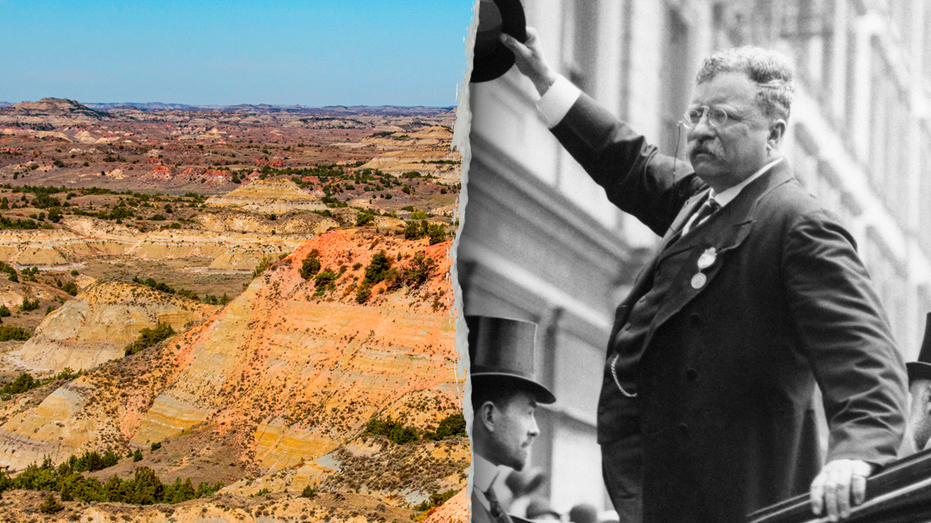
News Summary
Reported facts: The Fox News opinion piece urges Congress to undertake conservation measures for national parks and suggests a foreign visitor surcharge plus renewed infrastructure funding to address failing systems at parks including Yellowstone and Yosemite. Attributed claims: The article asserts park systems are failing and that a surcharge would help address those needs; it frames the proposal as honoring Theodore Roosevelt’s conservation legacy. Uncertainties: The article provides no data on the size of infrastructure deficits, projected revenue from a surcharge, legal authority to impose such a fee, distribution of funds, or impacts on visitation and local economies.
Source and Framing Analysis
This is an opinion column published by Fox News. The framing appeals to history (Teddy Roosevelt) and stewardship to build moral support for a specific funding mechanism (a foreign visitor surcharge). Material uncertainties include the lack of supporting data in the piece about specific infrastructure shortfalls, cost estimates, expected revenue, equity impacts, and any consultation with affected stakeholders, including Indigenous nations and local communities. Because it is an editorial, it advances a policy preference rather than presenting independent empirical analysis.
Biblical Reflection
The call to invest in national parks resonates with biblical themes of stewardship: humans are entrusted with caring for creation and preserving resources that serve the common good. Preserving public lands protects places where people encounter beauty, find rest, and learn responsibility for creation. That moral direction supports advocacy for adequate funding and thoughtful policy.
Yet Christian discernment requires attention to justice and mercy alongside stewardship. Any proposal that places additional costs on a defined group—foreign visitors, in this case—ought to be evaluated for fairness, disproportionate burden, and unintended consequences for access, cultural exchange, and local economies that depend on tourism. Christians should press for transparency about how revenue will be used, for safeguards that preserve access for lower-income visitors, and for consultation with Indigenous communities whose ancestral lands intersect park boundaries.
Finally, Christians should resist rhetoric that turns conservation into mere nostalgia for a single historical figure. Theodore Roosevelt’s conservation legacy can inspire, but faithful stewardship today needs evidence-based policy, civic humility, and cooperation across political and community lines. Loving our neighbor means protecting creation while protecting those vulnerable to policy shifts—workers, small businesses, seasonal employees, and Indigenous peoples—so that conservation advances both ecological flourishing and human dignity.
Scripture in context
- 1Genesis 2:15 — In the early chapters of Genesis, God places the first humans in the garden and charges them to 'work it and keep it'—language that establishes responsibility for tending the created order in a communal, caretaking role. — This passage frames conservation as a responsibility: caring for land entrusted to human stewardship supports policies that repair, protect, and sustain public commons like national parks, while also calling us to act justly toward those affected by those policies.
- 2Parable of the Talents (Matthew 25:14–30) — Jesus tells a parable about servants entrusted with resources who are judged by how they use them. The story emphasizes faithful, prudent stewardship and accountability for what is entrusted. — The parable encourages Christians to advocate for prudent, productive stewardship of shared resources—seeking solutions that preserve assets for future generations and demonstrate responsibility rather than neglect.
Faithful Response
Pray for wisdom for policymakers and for those who work in park stewardship.
Contact elected representatives to request transparent, equitable funding proposals and data about infrastructure needs and fee impacts.
Support the parks through volunteering, donations to park foundations, and responsible visitation practices (leave-no-trace, respect limits).
Learn and listen to Indigenous and local community perspectives about park management and historical land claims before endorsing specific policies.
Reflection and Discussion
- 1How should Christians weigh the twin obligations of environmental stewardship and economic justice when evaluating park funding proposals?
- 2What safeguards should we demand to ensure new revenue streams for parks do not make access unaffordable for low-income or international visitors?
- 3How can churches practically support both conservation and the local communities that depend on park economies?
Sources
Reporting links are evidence inputs; Sanctuary News' biblical reflection is commentary.
This outlook currently relies on fewer than two linked sources. Broaden verification before teaching from it.
- 1.Congress should honor Teddy Roosevelt and conserve our outdoors for the next 250 yearsprimary_reporting