News Summary
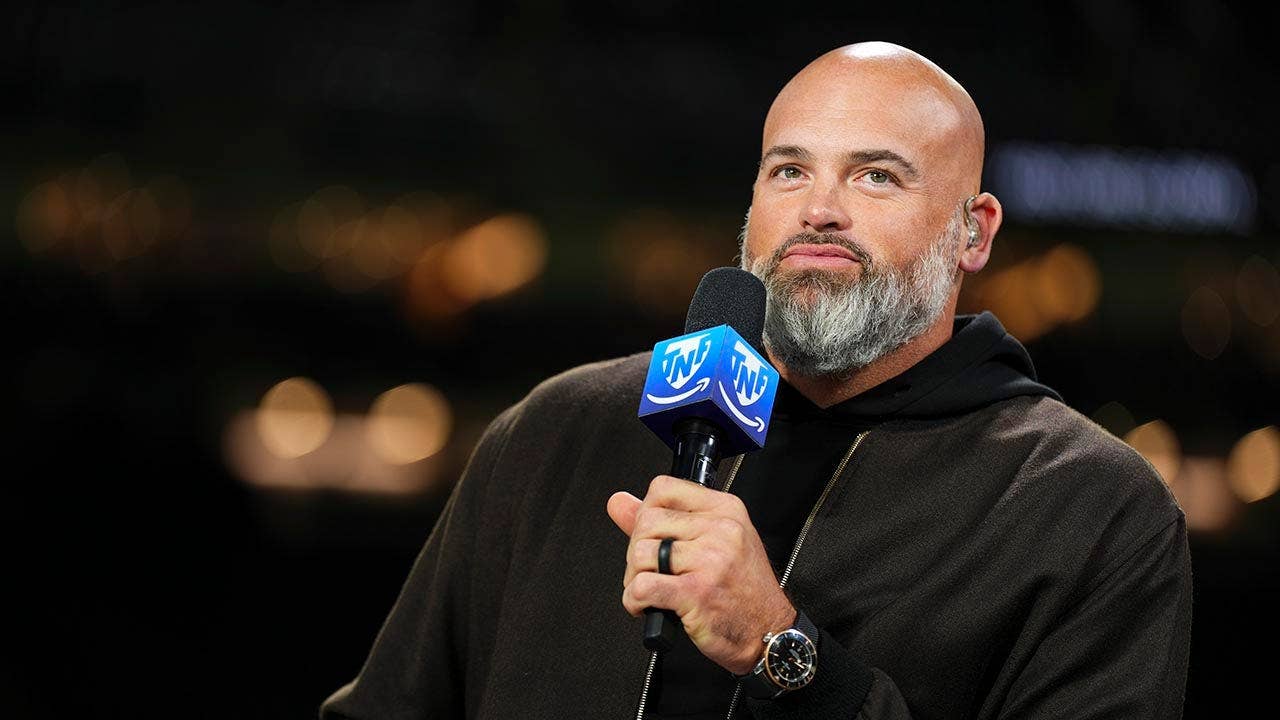
A congressional hearing examined the NFL's shift toward exclusive streaming deals and rising costs for fans. Rep. Jim Jordan raised antitrust and access concerns and referenced the Sports Broadcasting Act of 1961. The article notes that Amazon Prime Video, Peacock and Netflix hold exclusive rights to some games, and that subscribing to all services carrying NFL games (Sunday Ticket, Netflix, Peacock, Amazon Prime Video, ESPN platforms and NFL+) could cost an estimated $575 to $800 for the 2025 season. Andrew Whitworth, an Amazon Prime Video NFL analyst, said he understands fans' frustration but compared finding games across services to the broader entertainment landscape where shows are spread across platforms. The NFL receives large streaming payments (for example, roughly $1 billion per year for Amazon's Thursday Night Football). The Sports Broadcasting Act exemption applies only to broadcast television; courts have previously ruled it does not apply to cable, satellite or streaming. The Act also contains rules allowing local blackouts that still affect out-of-market packages.
Biblical Reflection
This story shows a tension between market-driven media deals and the public’s desire for accessible cultural commons. The article reports facts about exclusivity, cost, congressional concern, and an industry voice defending the market shift. The underlying worldview is largely commercial: sports rights are monetized and distributed where companies pay most, while viewers must navigate paywalls. From a Christian perspective, questions of justice, stewardship, and neighbor-love arise—especially when community activities (shared watching of games) become fragmented behind multiple paywalls, disproportionately affecting lower-income fans and weakening communal ties. The coverage comes from a consumer-access angle and highlights congressional scrutiny, but it focuses mainly on costs and industry rationale rather than potential policy remedies or the broader social effects. Christians are called to evaluate whether business practices serve the common good and to encourage transparency, fair access, and policies that protect shared cultural life without demonizing legitimate commerce.
Scripture in context
This outlook does not yet include contextual Scripture citations. Do not treat a general biblical theme as an exegetical conclusion.
Faithful Response
No prescribed response is offered. Consider the reflection prompts below in your own church context.
Reflection and Discussion
- 1Who benefits most from exclusive streaming deals, and who is excluded when communal cultural experiences are privatized?
- 2How should Christians weigh the legitimate rights of businesses to profit against the call to seek the common good and fair access?
- 3Does the framing of this issue as mere market complexity obscure larger questions about civic life and equitable access to shared cultural institutions?
Sources
Reporting links are evidence inputs; Sanctuary News' biblical reflection is commentary.
This outlook currently relies on fewer than two linked sources. Broaden verification before teaching from it.
- 1.Original reportprimary