News Summary
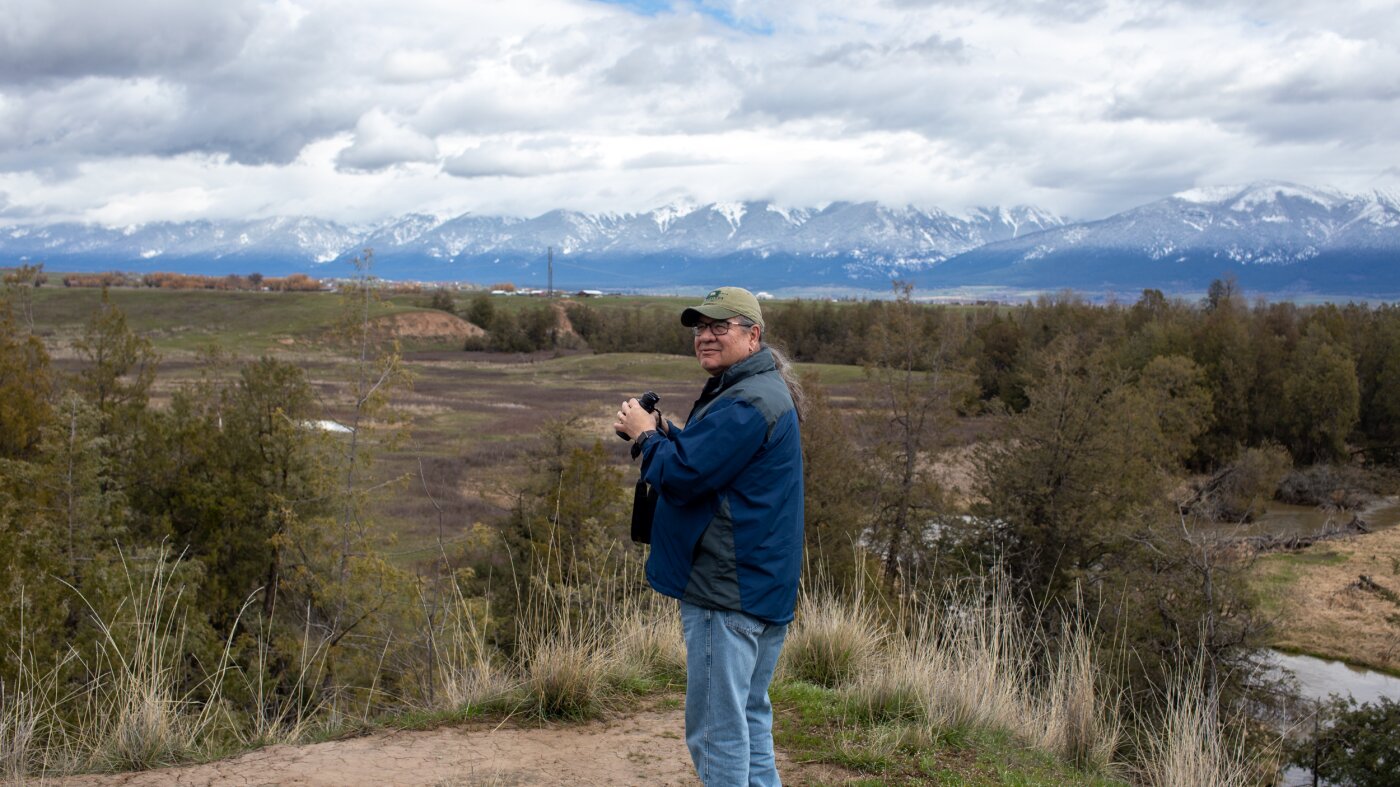
The article reports that the Confederated Salish and Kootenai Tribes on the Flathead Indian Reservation in Montana are implementing and updating a tribal climate action plan that combines Traditional Ecological Knowledge (TEK) with Western science. Mike Durglo Jr., the tribes' climate change coordinator for nearly 20 years, led one of the first tribal climate action plans more than 15 years ago and continues to direct projects including whitebark pine restoration, greenhouse propagation of fungus-resistant seedlings, stream restoration for native fish, invasive species removal, wind energy development, water conservation, and wildfire risk reduction. The tribes have installed air quality sensors across the reservation, designated buildings with filtration as “clean air centers,” and run trainings for DIY air filters. The U.S. returned management of the 19,000-acre National Bison Range to the tribes in 2022; tribal leaders are restoring grassland habitat and bison populations. The piece notes reduced state and federal support for climate and renewable projects: Montana’s earlier state climate plan has been shelved under the current Republican governor and state law now bars the state from regulating emissions unless the federal government does so first. The article also reports that some federal programs and funding streams for renewable energy and climate projects have been halted or cut; the tribes previously received a $20 million grant from the Biden-era Solar for All program, which the article says was canceled this year. In response to funding uncertainty, tribal leaders are seeking diverse funding sources including state dollars, nonprofits, private grants, and inter-tribal collaborations. The tribes update their climate action plan every three years and share approaches with other Native nations in the region.
Biblical Reflection
From a Christian perspective, this story highlights several biblical themes: responsible stewardship of God’s creation, care for neighbors, communal wisdom, and resilience in the face of hardship. The tribes’ blending of Traditional Ecological Knowledge with scientific methods models humility and the use of multiple forms of wisdom to preserve ecosystems and protect people—an approach that aligns with Scripture’s call to tend the earth (Genesis 2:15) and to love and safeguard one’s community (Matthew 22:39). The article’s framing—emphasizing local and tribal action as federal and state support wanes—invites discernment about where Christians place ultimate trust. While practical measures (restoring forests, improving air quality, preparing for wildfire) are prudent and reflect loving care for vulnerable neighbors, Christians should avoid turning policy or technology into ultimate saviors. We should evaluate claims and policy assertions carefully (for example, causes and solutions for climate impacts and the political descriptions of federal actions) and appreciate that stewardship can take many forms regardless of political context. Finally, the article centers Indigenous stewardship practices that predate modern environmental movements; Christians can recognize the God-given value of wisdom passed across generations and support cooperative, neighbor-focused efforts to protect creation and human life.
Scripture in context
This outlook does not yet include contextual Scripture citations. Do not treat a general biblical theme as an exegetical conclusion.
Faithful Response
No prescribed response is offered. Consider the reflection prompts below in your own church context.
Reflection and Discussion
- 1What assumptions about authority and responsibility (federal, state, tribal, local) does the article make, and how should Christians weigh political claims versus the immediate needs of neighbors?
- 2How does honoring and learning from Traditional Ecological Knowledge reflect biblical values of humility and stewardship, and where should Christians be cautious about elevating any single human solution above dependence on God?
- 3In reporting local adaptation measures (air filters, clean-air centers, habitat restoration), does the story shift attention from ideological debate to concrete neighbor-care—and how should that shape a Christian response?
Sources
Reporting links are evidence inputs; Sanctuary News' biblical reflection is commentary.
This outlook currently relies on fewer than two linked sources. Broaden verification before teaching from it.
- 1.Original reportprimary