News Summary
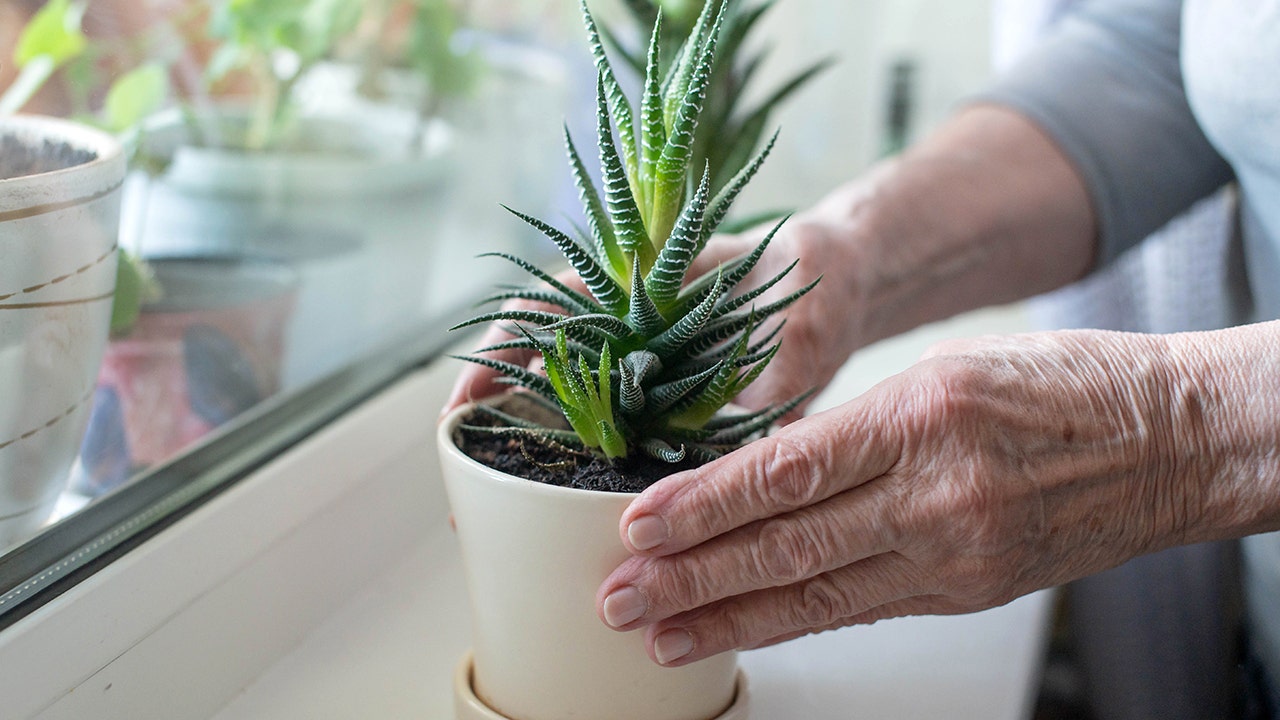
The article reports on new scientific research exploring the potential of aloe vera, a common household plant, in managing Alzheimer’s disease. Scientists at the University of Casablanca studied the effects of Beta sitosterol, a compound found in aloe vera, using computer simulations to see how it interacts with brain enzymes associated with Alzheimer’s. The findings suggest Beta sitosterol may inhibit enzymes that break down acetylcholine, a key neurotransmitter reduced in Alzheimer’s patients. The compound demonstrated strong binding and stability, indicating potential as a future treatment. Preliminary safety analysis found it likely to be non-toxic and well-absorbed, but the study is still in its early stages and has not yet been tested in humans. Experts caution against making health decisions based on these results alone, as further testing, including clinical trials, is needed.
Biblical Reflection
From a Christian perspective, this story is a testament to human curiosity, stewardship of creation, and the ongoing search for healing. Scripture recognizes both the value of medicine (Luke 10:34) and God's provision of the earth's resources for human benefit (Genesis 1:29-31). The pursuit of new treatments, especially for devastating illnesses like Alzheimer’s, aligns with the biblical call to care for the sick and vulnerable (Matthew 25:36). However, the article also reminds us to approach health news with discernment and humility. While scientific advances are to be welcomed, they are not ultimate sources of hope or healing. The work is preliminary, and there is a caution against false hopes or premature claims. Christians are called to value truth and patience, celebrating human achievement while remembering that our ultimate healing and restoration come from God. The story invites gratitude for the minds God has given us, prayer for those suffering from memory loss, and a sober assessment of both the possibilities and the limits of human knowledge.
Scripture in context
This outlook does not yet include contextual Scripture citations. Do not treat a general biblical theme as an exegetical conclusion.
Faithful Response
No prescribed response is offered. Consider the reflection prompts below in your own church context.
Reflection and Discussion
- 1How do I balance hope for medical breakthroughs with trust in God's ultimate wisdom and timing?
- 2In what ways can I support those suffering from illnesses like Alzheimer's, both practically and prayerfully?
- 3How can I approach health news with discernment, avoiding both cynicism and misplaced hope?
Sources
Reporting links are evidence inputs; Sanctuary News' biblical reflection is commentary.
This outlook currently relies on fewer than two linked sources. Broaden verification before teaching from it.
- 1.Original reportprimary