News Summary
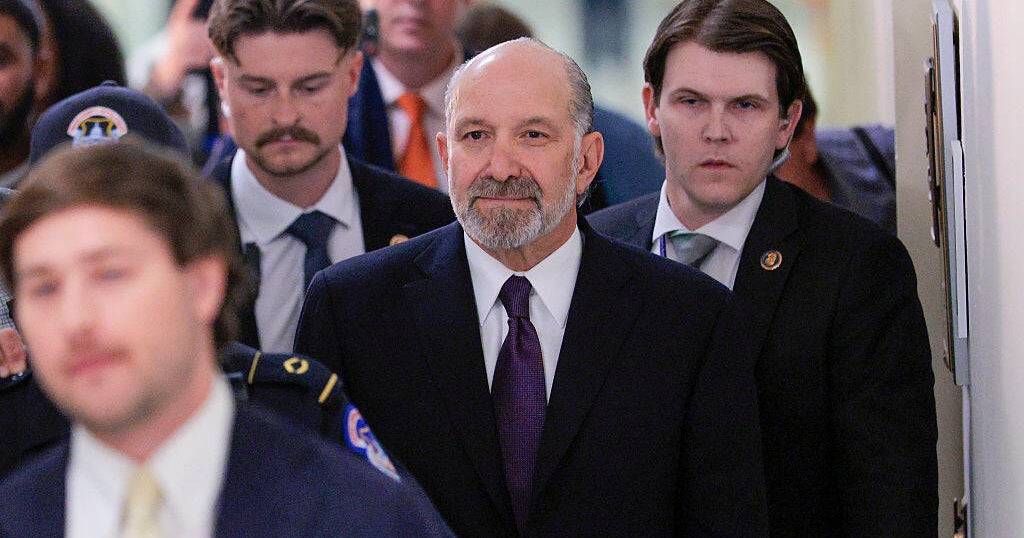
Commerce Secretary Howard Lutnick voluntarily gave a closed-door interview Wednesday to the House Oversight Committee as part of the committee's investigation related to Jeffrey Epstein. Records from the so-called Epstein files show Lutnick and Epstein invested together in a now-defunct advertising company called Adfin and that Lutnick, his wife, and their children visited Epstein's private Caribbean island, Little St. James, in 2012. The files include an undated photo of Epstein and Lutnick among others on the island and email correspondence between the men about Adfin and a planned museum expansion extending as late as 2018. Lutnick previously said he cut off contact with Epstein in 2005; he later acknowledged the 2012 island visit during Senate testimony, describing it as a family lunch. Rep. James Comer, chair of the Oversight Committee, said he planned to ask Lutnick about the island visit and later communications; Comer also noted it is unusual for a high-ranking administration official to appear before the panel. The committee has interviewed multiple prominent figures as part of the broader review of Epstein-related records.
Biblical Reflection
From a Christian perspective, several truthful and pastoral realities stand out. First, public officials and influential people are called to honesty and accountability; discrepancies between earlier statements and documentary records rightly raise questions that institutions should investigate. Scripture affirms both the pursuit of truth and fair process — Christians should care about uncovering deception while resisting partisan rushes to judgment. Media coverage and congressional scrutiny can serve the cause of justice but may also be shaped by political motives, selective leaks, or sensational framing; discernment is necessary to separate verifiable facts from insinuation. Spiritually, this story exposes human fallibility and the corrupting effects of association with people who exploit others; it also highlights the church’s responsibility to stand for the vulnerable and to insist that leaders act with integrity. Practically, Christians should pray for victims, value transparent investigation, and withhold final moral conclusions until evidence is established, while continuing to demand systems that protect the powerless and hold the powerful to account.
Scripture in context
This outlook does not yet include contextual Scripture citations. Do not treat a general biblical theme as an exegetical conclusion.
Faithful Response
No prescribed response is offered. Consider the reflection prompts below in your own church context.
Reflection and Discussion
- 1Am I evaluating reports about public figures by seeking verified evidence and context, or by reacting to sensational headlines and leaked fragments?
- 2How do we balance a healthy demand for accountability with the biblical call to presume innocence until wrongdoing is proven and to avoid character assassination?
- 3In what ways should the church prioritize care for victims and structural protections while also calling leaders to truthful transparency and repentance?
Sources
Reporting links are evidence inputs; Sanctuary News' biblical reflection is commentary.
This outlook currently relies on fewer than two linked sources. Broaden verification before teaching from it.
- 1.Original reportprimary