News Summary
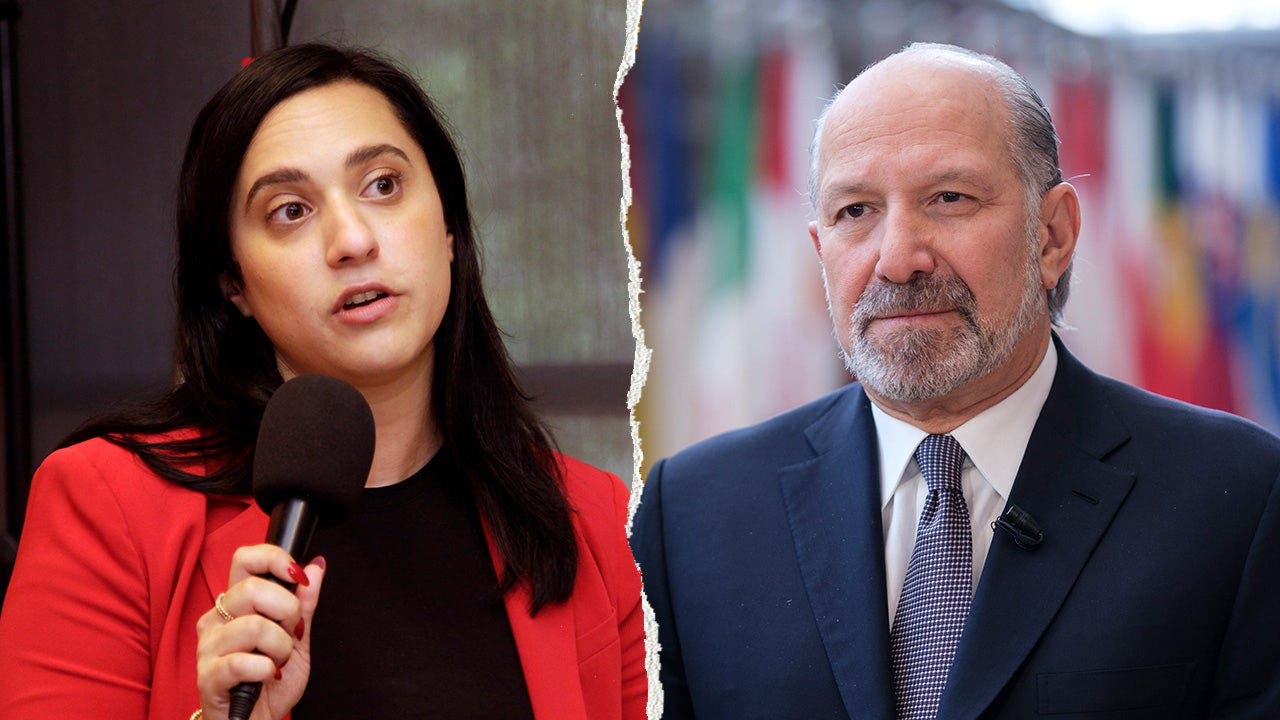
Commerce Secretary Howard Lutnick took part in a voluntary, closed-door transcribed interview with the House Oversight Committee about his past contact with Jeffrey Epstein. Lutnick told the committee he met Epstein three times. He acknowledged a 2012 lunch on Epstein’s Caribbean island and said he did not see Epstein with young women or witness inappropriate behavior during those encounters. Previously he had told a newspaper he had no contact with Epstein after 2005. Released court files and an undated DOJ photo show Lutnick and Epstein near each other in later years; Lutnick and Epstein were next-door neighbors in Manhattan from about 2005 until Epstein’s 2019 detention. Lutnick answered nearly 400 questions during the interview. Democratic committee members publicly criticized Lutnick’s credibility after the session, with at least one congresswoman calling him a “pathological liar.” Republican members, including Oversight Chair James Comer, defended the interview as forthcoming and disputed Democratic characterizations. The Department of Commerce said the committee found no evidence contradicting Lutnick’s account that three encounters did not constitute a relationship. The committee has scheduled additional transcribed interviews with other figures as part of its broader investigation.
Biblical Reflection
From a Christian perspective, this story raises perennial concerns about truthfulness, accountability, and the way partisan conflict shapes public perception. Scripture calls believers to pursue truth and to hold leaders accountable (Proverbs, Acts), but it also warns against hasty condemnation and slander (James 4:11–12). The article and the congressional exchange show both impulses: the legitimate need to investigate possible ties to a criminal network and the political heat that can turn inquiry into public character assault. Christians should note three practical points: (1) Seek verified facts over rhetoric — public accusations and counter-accusations often reflect partisan interests as much as evidence. (2) Demand justice for victims and integrity from leaders; protecting the vulnerable and ensuring honest testimony are moral imperatives. (3) Resist settling into tribal reactions; the gospel calls us to fair judgment, humility, and measured speech. When media coverage emphasizes inflammatory labels or selective quotes, that framing can steal the pursuit of truth. Pray for careful, impartial inquiry, for victims to be heard and protected, and for leaders to answer honestly and accept legitimate consequences if wrongdoing is shown.
Scripture in context
This outlook does not yet include contextual Scripture citations. Do not treat a general biblical theme as an exegetical conclusion.
Faithful Response
No prescribed response is offered. Consider the reflection prompts below in your own church context.
Reflection and Discussion
- 1What parts of this report are established by public record (documents, sworn transcripts, photos) and what parts are partisan interpretation or rhetoric?
- 2Are we allowing partisan labels and inflammatory language to replace sober assessment of evidence and the pursuit of justice?
- 3How can Christians hold leaders accountable for truth and integrity while avoiding slander, rush-to-judgment, or tribalism?
Sources
Reporting links are evidence inputs; Sanctuary News' biblical reflection is commentary.
This outlook currently relies on fewer than two linked sources. Broaden verification before teaching from it.
- 1.Original reportprimary