News Summary
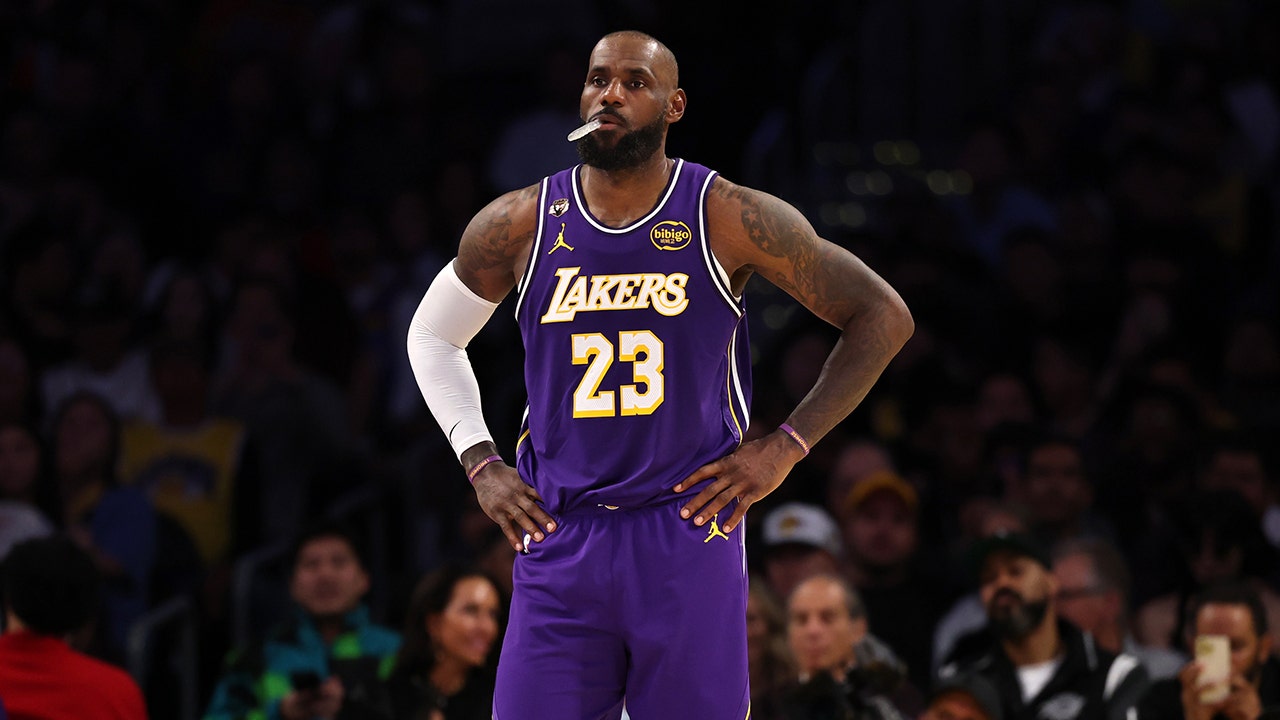
The article argues that flopping — players exaggerating or simulating contact to draw fouls — has long been a problem in the NBA and has become prominent again during the 2025 playoffs, particularly in the Oklahoma City Thunder–Los Angeles Lakers series. It cites comments from players and media (Jaylen Brown, Austin Reaves, Jay Williams, Kendrick Perkins) criticizing flopping and weak officiating. The piece reviews the NBA's anti-flopping efforts: postgame fines introduced in 2012–13, a live flop-technical rule beginning in 2023–24, and the rule made permanent in July 2024. The author claims enforcement has been minimal (citing an estimated 100–120 postgame warnings/fines since 2012 and about 26 in-game flop technicals in 2023–24) and gives the NBA and commissioner Adam Silver blame for not consistently enforcing penalties. The writer also singles out LeBron James as a prominent flopper who, the author contends, helped mainstream the tactic, noting LeBron has been fined only once for flopping and quoting a 2013 admission. The article calls for stricter, consistent enforcement of anti-flopping rules to protect the game's integrity and fan interest.
Biblical Reflection
From a Christian perspective, the article raises legitimate concerns about honesty, accountability, and the influence of leaders. Deliberately exaggerating contact to gain advantage is a form of deception that undermines fair competition, disrespects opponents, and degrades the communal trust that sport depends on. The critique of institutional weakness (the league not enforcing its own rules) is also morally significant: structures that fail to apply standards consistently invite injustice and cynicism. At the same time, the article leans heavily on blame — singling out one star and framing league leadership as 'gentle parenting' — which risks oversimplifying complex incentives (win-driven pressures, inconsistent officiating, media amplification). Christian discernment invites us to hold both individuals and institutions to truth and integrity while avoiding caricature and slander. Questions of restoration and reform are appropriate: call for consistent, transparent enforcement of rules; encourage role-modeling and repentance where players have misled; and advocate for constructive solutions rather than merely castigating figures. Christians can also remember to critique with humility, to prefer corrective restoration over gossip, and to push for systems that protect fairness for all participants.
Scripture in context
This outlook does not yet include contextual Scripture citations. Do not treat a general biblical theme as an exegetical conclusion.
Faithful Response
No prescribed response is offered. Consider the reflection prompts below in your own church context.
Reflection and Discussion
- 1How does elevating star behavior without accountability shape what is considered acceptable for everyone else in a community?
- 2Are critics in the media and fans holding institutions and individuals to consistent standards, or simplifying complex incentives to find a scapegoat?
- 3What reforms or practices would restore integrity and trust in a community when rules exist but enforcement is inconsistent?
Sources
Reporting links are evidence inputs; Sanctuary News' biblical reflection is commentary.
This outlook currently relies on fewer than two linked sources. Broaden verification before teaching from it.
- 1.Original reportprimary