News Summary
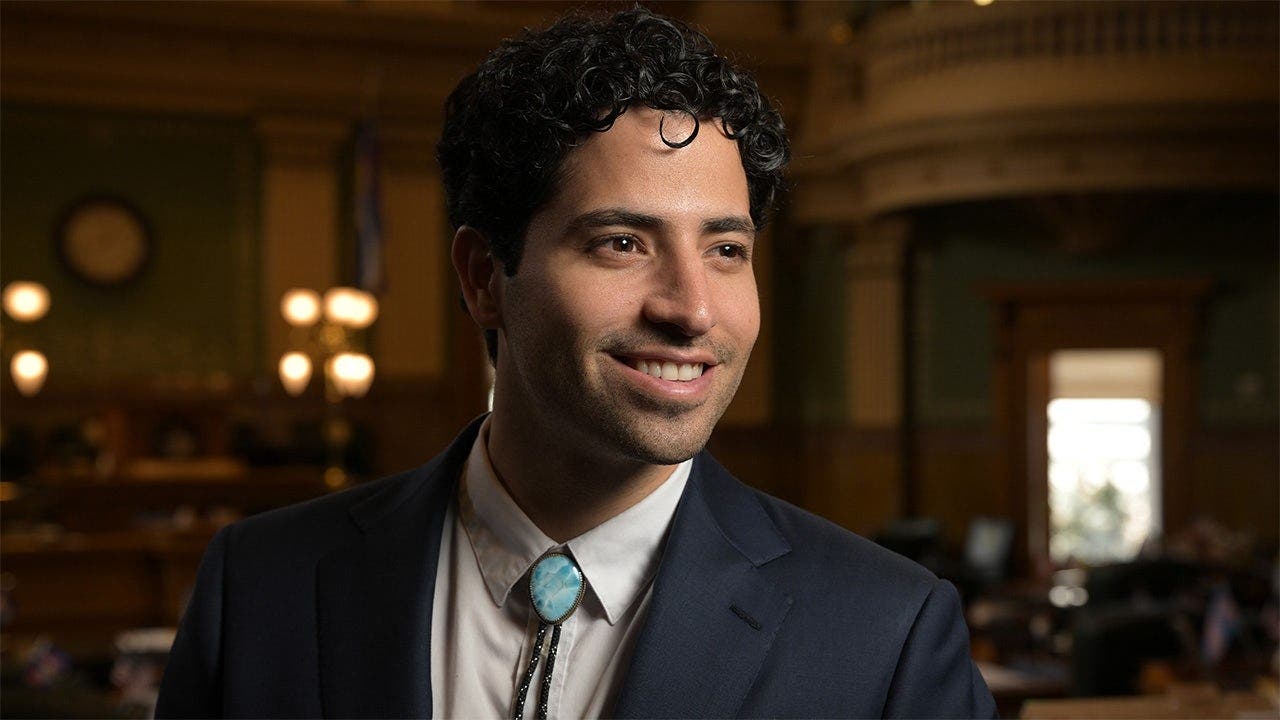
Colorado state legislator Manny Rutinel voted in favor of the Kelly Loving Act, a 2025 state law that addressed use of preferred names and pronouns, allowed residents to change sex designations on certain official documents, directed schools to record reasons a student might use a name different from their legal one, and included provisions treating misgendering and deadnaming as a form of coercive control for courts to consider in child custody decisions. The Colorado House passed the bill 40-24. After passage, some of the most contested provisions — including those criminalizing or making it unlawful to publish materials that misgender a person — were removed weeks after Rutinel's vote. The bill drew lawsuits from groups citing First Amendment concerns; several cases remain under consideration. Rutinel, now the Democratic nominee for Colorado's 8th Congressional District, faces criticism from Republican opponents and allied strategists who say the vote demonstrates a position on parental authority; his office did not immediately comment in the article. The article quotes a Republican strategist calling the vote "disgusting and disqualifying," and notes the political stakes as Rutinel prepares to challenge incumbent Rep. Gabe Evans in a competitive general election.
Biblical Reflection
The article reports a contested public-policy decision with clear political framing. It emphasizes partisan reaction and uses charged language through quoted critics, while providing limited explanation of proponents' reasoning or Rutinel's intent. Christians should recognize two honest moral claims in tension: the need to protect children and the need to treat vulnerable people with dignity. Legal tools that address coercive behavior in families can be legitimate, but measures that risk suppressing speech or parental decision-making invite constitutional and ethical scrutiny. The reporting leans toward political controversy rather than careful legal analysis, omitting fuller context about why the law was proposed, what language was later removed, and how courts are evaluating related claims. A Christian perspective calls for truthful discernment (seek facts beyond partisan soundbites), mercy toward those whose identities are under debate, humility about complex legal trade-offs, and courage to defend both free expression and the wellbeing of children. Beware of media frames that reduce complex questions about family law, civil liberties, and human dignity to simple partisan labels; when Christians engage, aim to weigh harms and protections rather than reflexively adopting political lines.
Scripture in context
This outlook does not yet include contextual Scripture citations. Do not treat a general biblical theme as an exegetical conclusion.
Faithful Response
No prescribed response is offered. Consider the reflection prompts below in your own church context.
Reflection and Discussion
- 1What assumptions about parental authority, child welfare, and free speech underlie the article’s framing, and which of those assumptions are left unexamined?
- 2How does partisan language (e.g., 'far-left,' 'disgusting') shape our perception of the policy before we examine the law’s actual text and legal changes?
- 3In debates that pit rights and protections against one another, how can Christians hold both a concern for vulnerable children and a commitment to treating transgender people with dignity?
Sources
Reporting links are evidence inputs; Sanctuary News' biblical reflection is commentary.
This outlook currently relies on fewer than two linked sources. Broaden verification before teaching from it.
- 1.Original reportprimary