News Summary
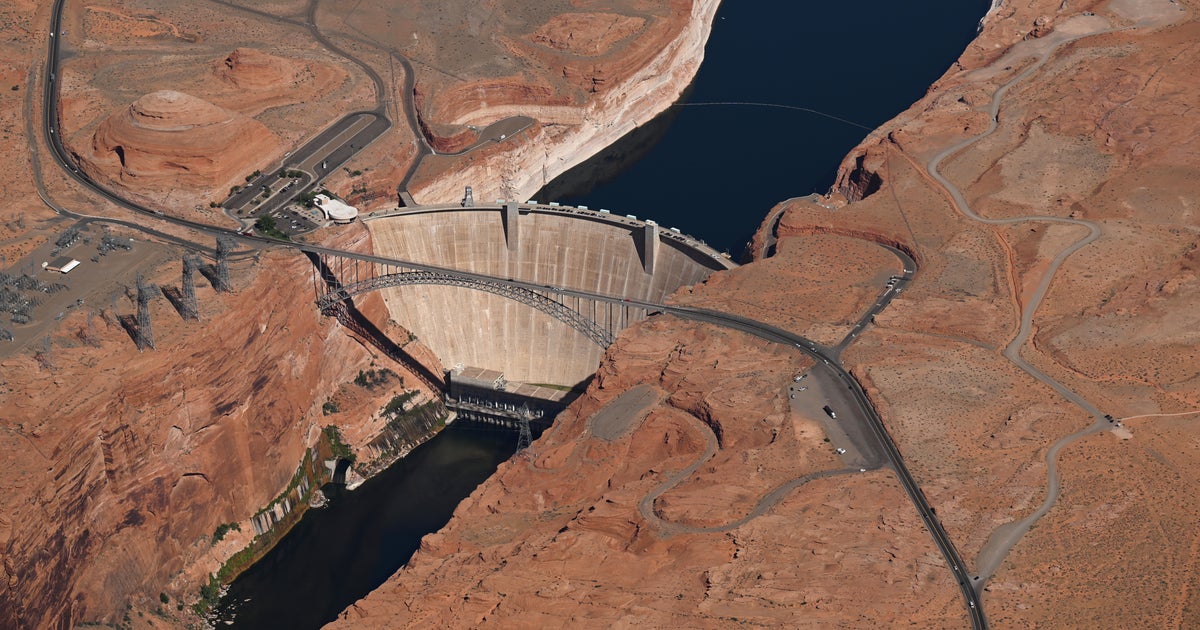
Reported facts: CBS News states Colorado River reservoirs are at record low levels, seven Western states have not agreed on allocation changes, and the federal government has threatened major cuts. Attributed claims: the article attributes the disagreement and the threat of federal action to ongoing drought and multistate negotiations. Uncertainties: the report does not provide specific reservoir levels, exact cut amounts, the timeline for federal intervention, or detailed positions of the individual states.
Source and Framing Analysis
The story is based on a single primary news report (CBS News). The language emphasizes urgency and intergovernmental conflict (states versus federal government). Material uncertainties — such as quantified reservoir levels, concrete federal proposals, and views from each state or affected communities — are central and affect how severe and imminent the described measures appear. The framing highlights conflict and risk, which is appropriate for the topic but can obscure technical details and local mitigation efforts that would clarify next steps.
Biblical Reflection
The article describes a material and ongoing shortage in a shared natural resource that affects millions of people, agricultural producers, energy generation, and ecosystems across multiple states. From a Christian perspective, this is first a stewardship issue: God’s creation is entrusted to human care, and communal resources require cooperative, just management rather than zero-sum bargaining. The reporting invites reflection on how political fragmentation and short-term interests can harm neighbors who are vulnerable to water shortages.
Second, the situation raises questions of justice and mercy. When resource scarcity forces choices, Christian ethics call attention to protecting the least able to bear the cost—small farmers, low-income households, Indigenous communities, and dependent ecosystems. The federal government’s readiness to impose cuts underscores that collective action is required, but it also challenges Christians to consider whether political arrangements are serving equity and the common good.
Finally, the coverage should prompt humility and courage among believers: humility to recognize the limits of human control over complex environmental systems, and courage to advocate for policies and local practices that conserve resources, share burdens fairly, and prioritize long-term resilience over short-term gain.
Scripture in context
- 1Genesis 2:15 — In the creation narrative, humanity is placed in the garden to work it and keep it, a text historically read as assigning responsibility for the care of creation rather than unbounded exploitation. — This passage invites Christians to view water and land as entrusted resources requiring careful stewardship, planning, and restraint — not merely commodities to be maximized for short-term gain.
- 2Matthew 25:35-40 (parable context) — Jesus’ teaching on caring for the hungry, thirsty, and marginalized is set within a judgment scene that values acts of mercy toward those in need as central to faithful community life. — When decisions about resource cuts are made, the Christian concern for those who are most vulnerable should weigh heavily: policy choices should be evaluated by how they serve the needs of neighbors who cannot easily adapt.
Faithful Response
Conserve water in personal and congregational life (fix leaks, adopt low-flow fixtures, landscaping choices) as a tangible practice of stewardship.
Support or volunteer with local programs that help vulnerable households with water bills, conservation measures, or emergency needs.
Pray for policymakers and community leaders and engage respectfully in civic processes to advocate for equitable and science-informed allocation and long-term resilience planning.
Educate your congregation about the crisis so communal responses — emergency assistance, conservation drives, or advocacy — are informed and sustained.
Reflection and Discussion
- 1Who are likely to suffer most from large water cuts, and how should concern for the vulnerable shape policy and public conversation?
- 2What practices and policies prioritize long-term stewardship of shared resources over short-term local advantage?
- 3How does this crisis reveal assumptions about ownership, rights, and responsibility for common goods in our communities?
Sources
Reporting links are evidence inputs; Sanctuary News' biblical reflection is commentary.
This outlook currently relies on fewer than two linked sources. Broaden verification before teaching from it.
- 1.Colorado River reservoirs hit record lows as government threatens major cutsprimary_reporting