News Summary
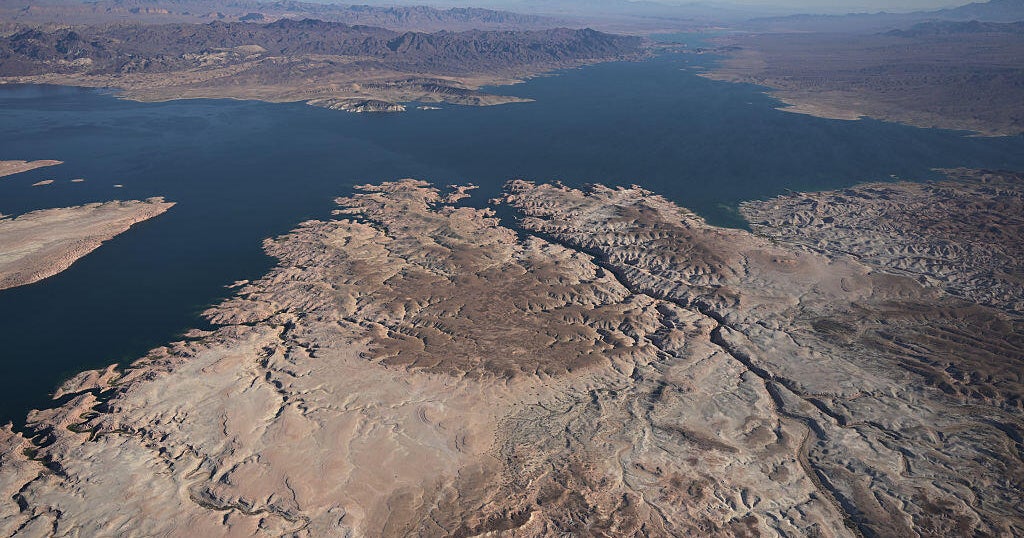
Record-low Rockies snowpack this winter, compounded by longer-term warming, has pushed Colorado River reservoirs (including Lake Mead and Lake Powell) toward critically low levels. About 40 million people rely on the river for water. Federal managers have released billions of gallons into Lake Powell to protect hydropower production. Arizona, California and Nevada have proposed emergency conservation measures that would financially incentivize some users to reduce consumption. Without a multistate agreement on allocations, experts warn mandatory cuts could intensify and threaten farming, hydropower and municipal supplies. Key federal operating rules for the river are set to expire later this year; the U.S. Bureau of Reclamation is expected to decide this summer how future cuts will be allocated. An unusual May storm brought several feet of snow to parts of the Rockies, providing temporary relief but not removing the longer-term risk of severe overdraft without substantial water-use changes.
Biblical Reflection
The article reports a genuine and urgent resource problem: shrinking supply, rising demand, and institutions facing hard allocation choices. From a Christian perspective this is a stewardship issue (caring for God’s creation and shared resources) and a justice issue (protecting livelihoods and vulnerable communities that depend on water). The coverage is largely factual about current conditions and near-term policy moves, but its framing centers on crisis management and state competition; it gives less attention to longer-term ethical questions such as tribal water rights and historic allocation inequities, the plight of small farmers, urban poor households, and investments in conservation or equitable allocation. The piece rightly links the problem to climatic and demographic pressures; readers should note that policy responses can reflect different worldviews — competitive zero-sum bargaining, market incentives, centralized mandates, or cooperative, covenant-style stewardship. Scripture calls Christians to wise, humble stewardship (not reckless consumption), to prioritize the needs of neighbors, and to seek counsel and cooperation when common goods are threatened. That means supporting solutions that combine prudent conservation, protection for the most vulnerable, transparency in decision-making, and long-term planning rather than short-term advantage.
Scripture in context
This outlook does not yet include contextual Scripture citations. Do not treat a general biblical theme as an exegetical conclusion.
Faithful Response
No prescribed response is offered. Consider the reflection prompts below in your own church context.
Reflection and Discussion
- 1Whose needs are being centered or omitted in coverage of this crisis (urban users, large agricultural users, Tribal nations, low-income households), and how does that affect which policies seem acceptable?
- 2Does the article encourage short-term crisis management or long-term cooperative stewardship, and how should Christians weigh immediate relief against structural changes that promote justice and sustainability?
- 3What assumptions about human dominion, consumption, and technological fixes underlie proposed solutions, and how do those align with a biblical ethic of caretaking and neighbor-love?
Sources
Reporting links are evidence inputs; Sanctuary News' biblical reflection is commentary.
This outlook currently relies on fewer than two linked sources. Broaden verification before teaching from it.
- 1.Original reportprimary