News Summary
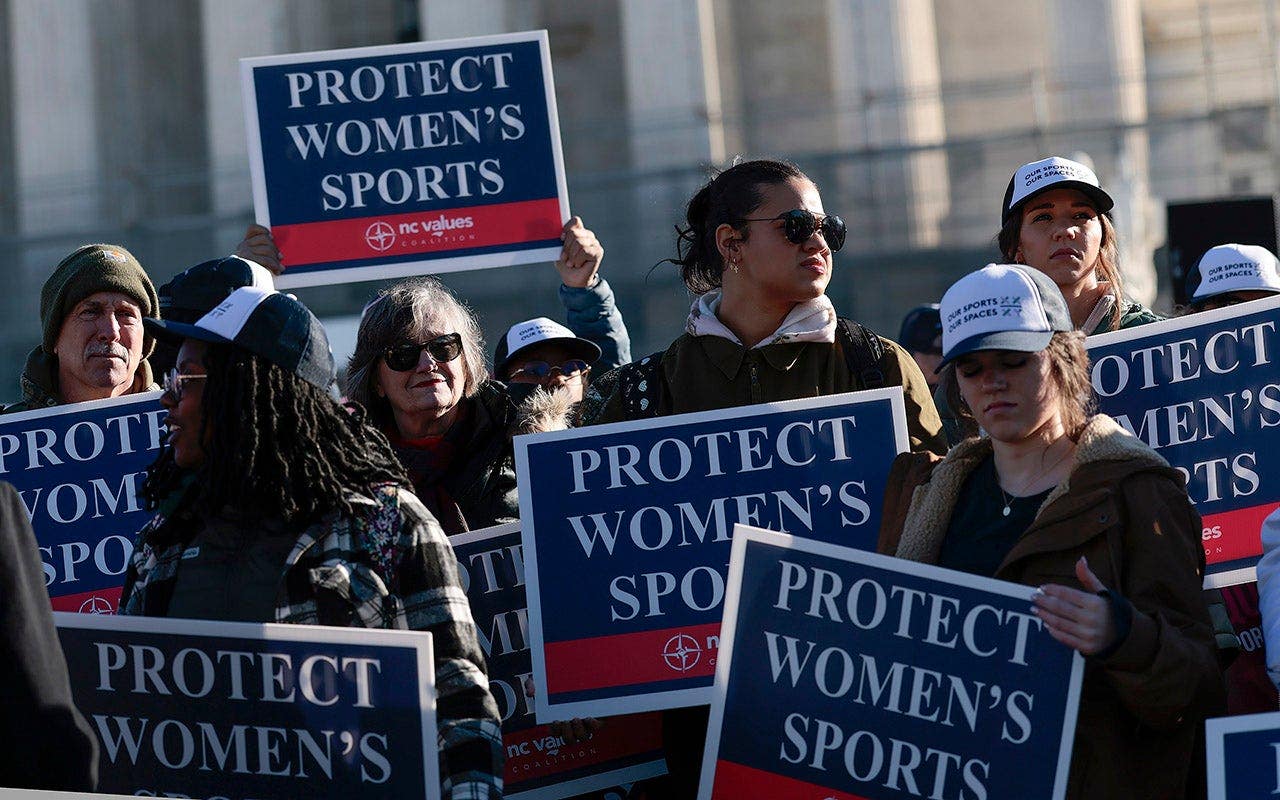
Grassroots organizers working with XX-XY Athletics, led by Jennifer Sey, say they gathered sufficient signatures to place Colorado Ballot Initiative 109 on the November ballot; the measure would require students to compete on sports teams according to sex assigned at birth and would apply to high school and college athletics. Sey told a podcast the campaign raised more signatures than required with little funding and said similar initiatives are advancing in other states, including Washington. Supporters frame the measures as protecting fair competition for female athletes; critics say they would bar transgender students from participating on teams that match their gender identity. The article also notes that President Donald Trump signed an executive order in February 2025 restricting transgender female athletes from competing in female sports, and includes references to recent instances of transgender athletes winning girls’ state titles as part of the public debate.
Biblical Reflection
This story sits at the intersection of competing goods: fairness in athletic competition and the dignity and inclusion of transgender youth. The advocates interviewed are pursuing a legal and political remedy—ballot initiatives and state-by-state legislation—reflecting a strategy to move policy where legislatures or courts might differ. The article largely presents proponents' assertions (e.g., signature totals, grassroots funding) and policy goals, with limited space given to the perspectives of transgender students or independent scientific evidence about competitive impacts. As Christians called to truth and mercy, we should test policy claims against credible data, resist dehumanizing language that reduces people to political problems, and prioritize protections for vulnerable persons on all sides. The use of ballot initiatives to decide rights affecting youth signals a broad politicalization of intimate questions; Christians should be wary of rhetoric that frames people as threats rather than neighbors. In public engagement, pursue policies that seek justice for female athletes while also honoring the inherent worth and pastoral needs of transgender students—asking lawmakers, school leaders, and communities to craft responses informed by good science, law, and compassion.
Scripture in context
This outlook does not yet include contextual Scripture citations. Do not treat a general biblical theme as an exegetical conclusion.
Faithful Response
No prescribed response is offered. Consider the reflection prompts below in your own church context.
Reflection and Discussion
- 1What assumptions about sex, gender, and fairness shape the proposed measures, and are those assumptions supported by robust scientific and legal analysis?
- 2Who is centered in this debate and whose voices are being sidelined—are policy decisions prioritizing protection, exclusion, or political advantage?
- 3How should Christians weigh competing goods (fair competition, safety, inclusion, and the wellbeing of youth) when public policy addresses sensitive questions about identity and rights?
Sources
Reporting links are evidence inputs; Sanctuary News' biblical reflection is commentary.
This outlook currently relies on fewer than two linked sources. Broaden verification before teaching from it.
- 1.Original reportprimary