News Summary
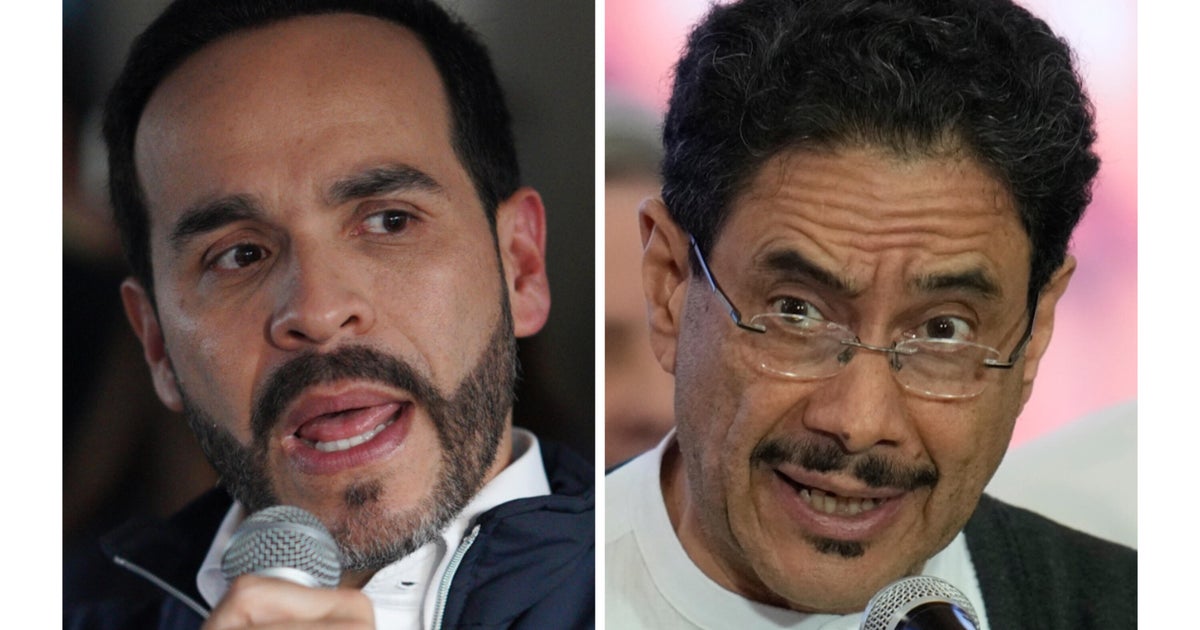
On June 21, 2026 Colombia held a presidential runoff in which more than 41 million eligible voters chose between Iván Cepeda (a far-left senator of the ruling Pacto Histórico, associated with continuing President Gustavo Petro's policies) and Abelardo de la Espriella (a far-right lawyer campaigning on a hardline security platform). The runoff followed a May 31 first round in which Cepeda received about 41% and de la Espriella about 44% of the vote. Both candidates framed their campaigns around preventing a return to widespread violence; de la Espriella proposes a security-first strategy including construction of large prisons and policies modeled on El Salvador’s Bukele, while Cepeda supports continuing Petro’s strategy of negotiating with illegal armed groups even as those efforts have had limited success. Colombia has seen rising violence since the 2016 peace accord with FARC: authorities recorded 14,780 homicides in 2025 (the highest since at least 2015) and extortions reached 13,417 cases in 2025. The country’s illegal groups number over 27,000 members; a small armed group of about 100 members began a demobilization and reintegration process shortly before the runoff. The campaign period saw accusations of fraud, vote-buying and intimidation, mutual verbal attacks, and legal complaints — including Cepeda’s complaint to Colombia’s Attorney General and the International Criminal Court accusing de la Espriella of ties to paramilitary groups, which de la Espriella denies. The campaign also drew international attention and at least one foreign endorsement reported in the article.
Biblical Reflection
This election reflects a nation wrestling between competing visions for peace, security, and justice. The candidates’ contrasting proposals — heavy-handed policing and mass incarceration versus negotiated reintegration and dialogue — reveal different priorities and risks. A security-first approach may promise immediate reductions in visible crime but raises serious human-rights and rule-of-law concerns; a negotiation-focused strategy seeks long-term reconciliation but risks being perceived as weak or ineffective if it fails to reduce violence quickly. The article reports sharp polarization, mutual accusations, and foreign influence, all of which can inflame fear and distrust. From a Christian pastoral perspective, the faithful response is not to favor a political brand but to weigh policies by their real effects on human dignity, the vulnerable, and the common good. Christians should be cautious of rhetoric that simplifies complex social ills into moral panics or that trades justice for expediency. They should also demand truthfulness from leaders, care for victims of violence, and support processes that pursue both accountability and restoration. The coverage at times simplifies complex actors (labeling them 'far-left' or 'far-right') and leans on dramatic contrasts; readers should watch for framing that emphasizes personality and spectacle over structural causes of violence—land access, drug economies, weak institutions—and remember that sustainable peace requires both safety and justice.
Scripture in context
This outlook does not yet include contextual Scripture citations. Do not treat a general biblical theme as an exegetical conclusion.
Faithful Response
No prescribed response is offered. Consider the reflection prompts below in your own church context.
Reflection and Discussion
- 1What structural causes (poverty, land disputes, drug economies, weak institutions) lie beneath the violence, and which candidate’s proposals address those causes versus just symptoms?
- 2How should Christians evaluate security policies that promise quick reductions in violence but risk human-rights abuses or erosion of legal safeguards?
- 3How might foreign endorsements and polarizing rhetoric affect Colombia’s sovereignty, civic trust, and the possibility of peaceful transfer of power?
Sources
Reporting links are evidence inputs; Sanctuary News' biblical reflection is commentary.
This outlook currently relies on fewer than two linked sources. Broaden verification before teaching from it.
- 1.Original reportprimary