News Summary
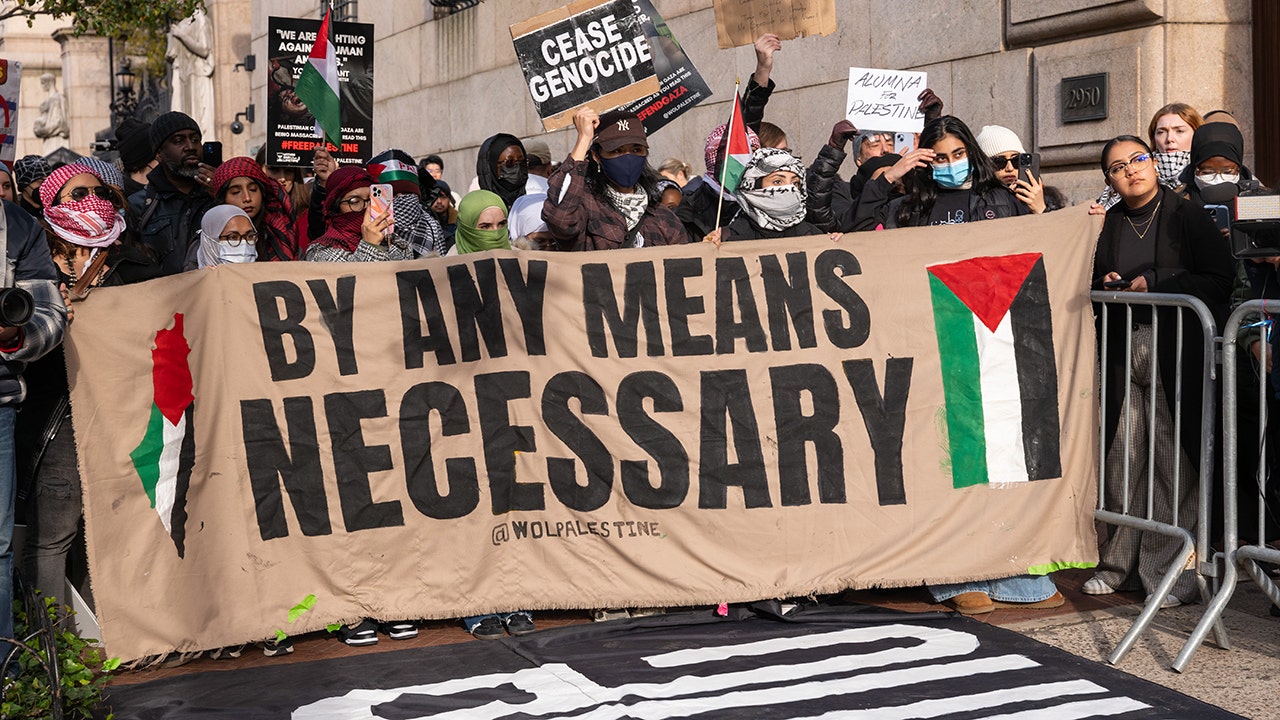
The article critiques Middle Eastern studies departments at U.S. universities, alleging that many have become centers for radicalization, anti-American sentiment, and antisemitism. It accuses these departments of being influenced by foreign money—primarily from Saudi Arabia, Qatar, and Iran—which shapes curricula, faculty hiring, and research agendas. High-profile faculty are cited for minimizing or excusing terrorism by groups like Hamas and Hezbollah, and for promoting narratives hostile to Israel and Jews. The piece claims that faculty and students from these departments have organized campus protests and encampments where Jewish students were harassed or excluded. It argues that, until these departments can demonstrate transparency and a rejection of antisemitism and terrorism, they should be shut down or rebuilt with strict oversight.
Biblical Reflection
Scripture calls for truth, justice, and love for one's neighbor (Micah 6:8; Matthew 22:37–40). The article raises serious concerns about the presence of hatred, indoctrination, and the possible enabling of violence within academic settings. If true, these actions run counter to biblical teachings that call us to stand against injustice and to defend the marginalized, including the Jewish people, whom God instructs us to 'bless' (Genesis 12:3; Romans 11). At the same time, the biblical witness affirms the pursuit of knowledge and understanding, urging us to 'test all things; hold fast what is good' (1 Thessalonians 5:21). Shutting down entire disciplines risks stifling healthy inquiry and dialogue. Christians are called to discernment, seeking both academic integrity and the protection of all students from hatred and harassment. Ultimately, all forms of bigotry—including antisemitism—must be rejected. We are to seek peace and truth in all institutions, recognizing that 'the wisdom from above is first pure, then peaceable, gentle, open to reason, full of mercy and good fruits, impartial and sincere' (James 3:17).
Scripture in context
This outlook does not yet include contextual Scripture citations. Do not treat a general biblical theme as an exegetical conclusion.
Faithful Response
No prescribed response is offered. Consider the reflection prompts below in your own church context.
Reflection and Discussion
- 1How do I respond when I encounter bias or hatred in my own learning or community environments?
- 2What does it look like to pursue both truth and love in conversations about contentious issues?
- 3How can I advocate for justice and peace without falling into the trap of hatred or prejudice myself?
Sources
Reporting links are evidence inputs; Sanctuary News' biblical reflection is commentary.
This outlook currently relies on fewer than two linked sources. Broaden verification before teaching from it.
- 1.Original reportprimary