News Summary
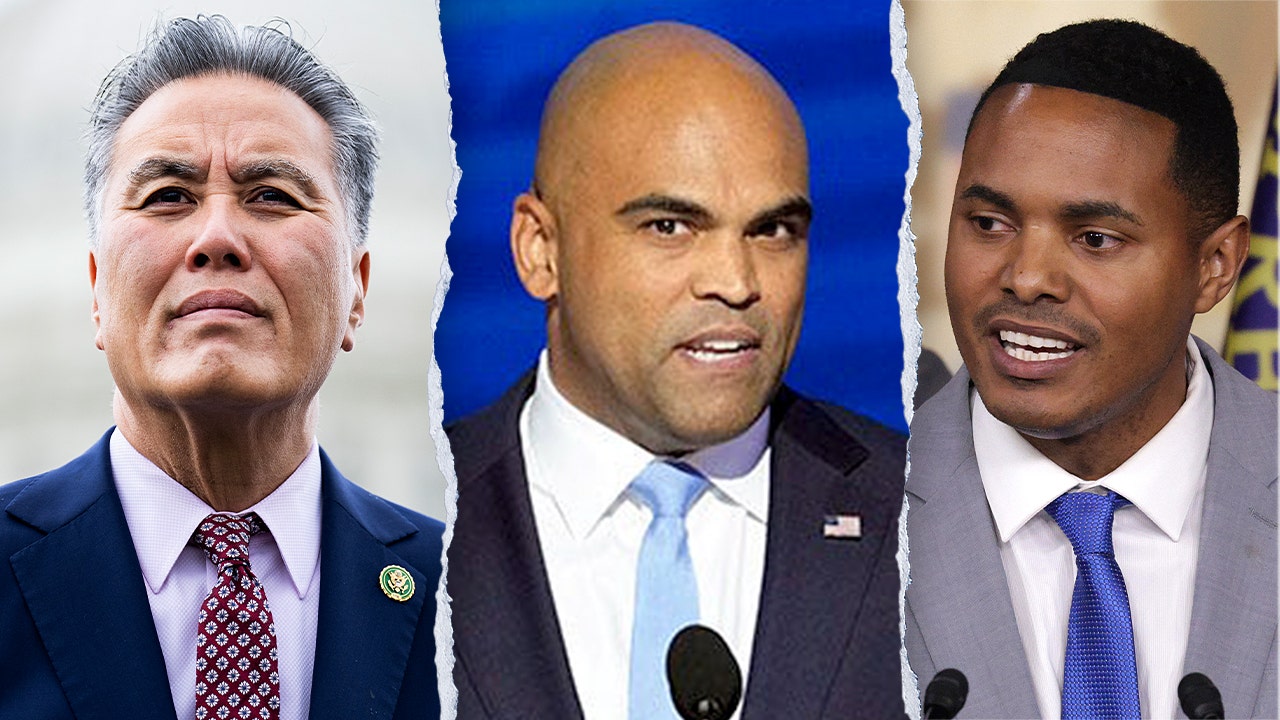
In a Texas Democratic primary runoff, former Rep. Colin Allred defeated Rep. Julie Johnson by about eight percentage points. Johnson, who is openly lesbian, had succeeded Allred in the House after he left the seat to run for Senate in 2024. Equality Caucus political arm co-chairs Reps. Mark Takano and Ritchie Torres criticized Allred for challenging Johnson, saying her loss reduces openly LGBTQ representation from Texas and urging Allred to help heal divisions. The Equality PAC had contributed at least $484,000 to Johnson’s campaign; Johnson is a vice-chair of the PAC. Commentators and some Democrats pushed back against the PAC statement, arguing that straight candidates may run for office and criticizing the tone of the complaint. House Democratic leaders have separately raised concerns about Republican redistricting efforts reducing Black and Latino representation in Congress. Allred had suspended a 2026 Senate campaign before running against Johnson; campaign spokespeople for both Allred and Johnson did not immediately comment in the article.
Biblical Reflection
This report surfaces a real tension between two important democratic goods: the value of descriptive representation for historically marginalized groups and the principle of open electoral competition. From a Christian perspective, both concerns deserve careful attention. Representation matters because it helps ensure voices that have been excluded are heard and trusted; urging vigilance about losing that presence is an act of neighbor-concern. At the same time, rushing to cast political contests as betrayals because of candidates’ identities risks deepening division and encouraging resentment, which harms communal witness. The article’s framing emphasizes conflict and identity (Black vs. LGBTQ, straight vs. gay) and highlights voices that amplify outrage; readers should notice that editorial choices—wording, which critics are quoted, and which facts are stressed—shape the emotional response. Truth-seeking requires weighing legitimate concerns about minority representation alongside the norms of open contest, examining motives (protecting representation vs. preserving influence), and pressing candidates and institutions to pursue healing, humility, and practical remedies (pipeline-building, mentoring, candidate support) rather than leaving disputes to rhetorical escalation. Christians called to be peacemakers can advocate both for fair representation and for political processes that enable respectful competition and reconciliation.
Scripture in context
This outlook does not yet include contextual Scripture citations. Do not treat a general biblical theme as an exegetical conclusion.
Faithful Response
No prescribed response is offered. Consider the reflection prompts below in your own church context.
Reflection and Discussion
- 1Is the response to this primary challenge primarily about protecting a marginalized community’s voice, or is it functioning as a partisan defense of incumbency and influence?
- 2How does the article’s choice of language and quoted voices shape your emotional reaction, and what facts would you want to know to evaluate the situation more fairly?
- 3What practical, long-term steps could the party take to both increase representation and reduce intra-party rancor so that competition does not translate into lasting harm to vulnerable communities?
Sources
Reporting links are evidence inputs; Sanctuary News' biblical reflection is commentary.
This outlook currently relies on fewer than two linked sources. Broaden verification before teaching from it.
- 1.Original reportprimary