News Summary
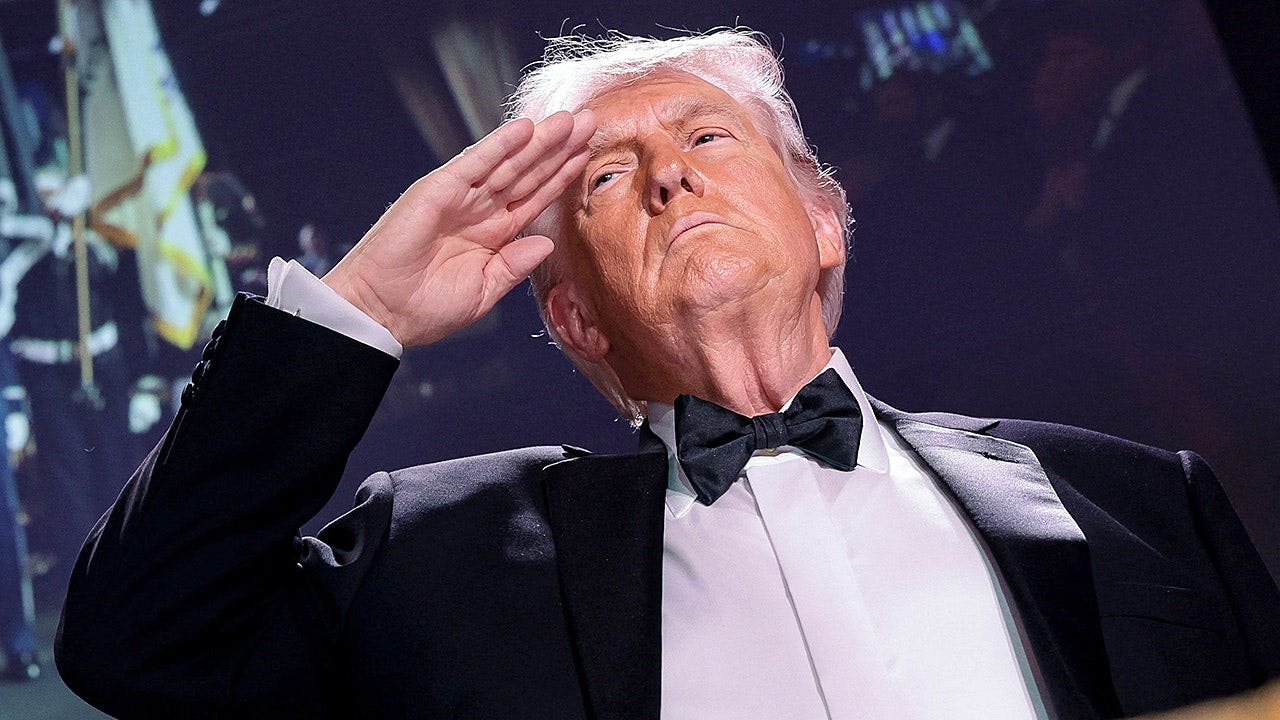
During CNN’s live coverage of the White House Correspondents' Dinner in Washington, D.C., commentator S.E. Cupp criticized the event organizers for giving President Donald Trump a featured speaking role and said, "he wants us dead, figuratively. Figuratively, he wants journalism dead." Cupp made these remarks roughly 20 minutes before a reported shooting incident at the dinner. Law enforcement arrested a suspect, identified in reporting as Cole Tomas Allen, and federal sources told Fox News the suspect said he was targeting Trump administration officials. The article also notes discussion among journalists about whether inviting Trump to speak was appropriate, cites CNN analyst Brian Stelter saying the event was sold out, and quotes White House press secretary Karoline Leavitt previewing Trump’s remarks as mixing humor with criticism. Security measures and rapid evacuations of some officials are referenced in coverage of the incident.
Biblical Reflection
The article reports on two related dynamics: charged media rhetoric and a subsequent security incident. Factually, the piece combines direct quotes from a commentator with law-enforcement reporting about a suspect’s stated motive. Christians should note the difference between metaphorical or hyperbolic language (“wants us dead, figuratively”) and literal threats; conflating the two can deepen fear and polarization. The coverage also shows how media choices (who is invited, how events are framed) and public rhetoric interact in a charged political environment.
From a biblical perspective, Christians are called to truth-telling and restraint in speech (Ephesians 4:29), and to seek the welfare and safety of others (Jeremiah 29:7). Public figures and journalists alike bear responsibility to avoid dehumanizing language that can harden divisions or provide cover for violence. At the same time, the presence of partisan critique is a normal part of democratic discourse; honest accountability of power is not itself sinful, but it should be pursued without abandon to slander or fear-mongering. Readers should be cautious about accepting implied causal links between rhetoric and violence without clear evidence, while also recognizing the real harms that incendiary speech can contribute to in a polarized public square.
Practically, the Christian response includes advocating for truthful reporting, measured speech, protection of the vulnerable, and prayer for victims, suspects, and all who serve the public. Beware of media frames that prioritize outrage or partisan advantage over careful, verified facts; cultivate discernment and humility in interpreting events that touch deep political and emotional fault lines.
Scripture in context
This outlook does not yet include contextual Scripture citations. Do not treat a general biblical theme as an exegetical conclusion.
Faithful Response
No prescribed response is offered. Consider the reflection prompts below in your own church context.
Reflection and Discussion
- 1How does the use of metaphorical or hyperbolic language in political commentary change how we perceive threats and safety, and what criteria should we use to separate figurative criticism from literal danger?
- 2What responsibilities do journalists, commentators, and event organizers have to minimize dehumanizing rhetoric while preserving robust public accountability?
- 3When news reporting links heated rhetoric and acts of violence, what standards of evidence should a Christian demand before accepting implied causation or assigning blame?
Sources
Reporting links are evidence inputs; Sanctuary News' biblical reflection is commentary.
This outlook currently relies on fewer than two linked sources. Broaden verification before teaching from it.
- 1.Original reportprimary