News Summary
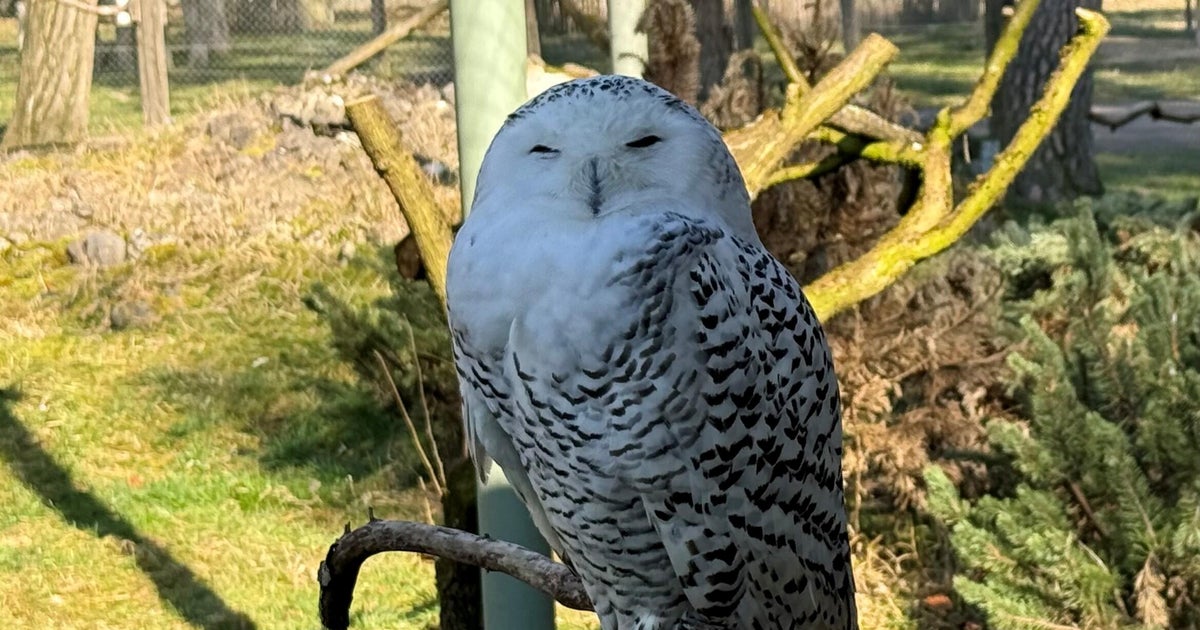
At the COP15 meeting of the U.N. Convention on the Conservation of Migratory Species of Wild Animals (CMS) in Campo Verde, Brazil, representatives from 132 countries and the European Union approved the listing of 40 additional migratory species for international protection. Examples named in media reports include the snowy owl (Bubo scandiacus), Hudsonian godwit (Limosa haemastica), great hammerhead shark (Sphyrna mokarran), striped hyena (Hyaena hyaena), cheetah (Acinonyx jubatus), and giant otter (Pteronura brasiliensis). CMS parties that ratify measures are legally obliged under the convention to protect listed species, conserve and restore habitats, prevent obstacles to migration, and cooperate with other range states. The meeting took place in Campo Verde in Brazil’s Pantanal wetlands. A CMS report released ahead of the summit said about 49% of species catalogued by CMS show declining numbers and nearly one in four are globally threatened with extinction. The article also noted a separate U.N. assessment warning that migratory freshwater fish populations are in steep decline. The piece referenced recent international climate diplomacy context (Brazil hosted COP30 in Belém last November) and reported that some major emitters did not send heads of state to COP30.
Biblical Reflection
From a Christian perspective, the CMS decision reflects responsible stewardship (caring for creation and vulnerable creatures) and an effort at international cooperation — both positively aligned with biblical calls to tend the earth (Genesis 2:15) and to love neighbor across borders. Listing species for protection is a practical, preventive step that acknowledges human actions (habitat loss, pollution, overfishing) contribute to other creatures’ decline and to harms that ultimately affect people. At the same time, Scripture invites discernment about motives and means: protection on paper is not the same as effective rescue on the ground. Nations and organizations may announce protections for moral, diplomatic, or political reasons without committing the funding, enforcement, and local engagement required for recovery. Media coverage can also conflate separate issues (species protection and climate diplomacy) or insert partisan angles that distract from the core need — concrete action to restore habitats and migration corridors. Christians should therefore affirm efforts that genuinely preserve life and biodiversity, advocate for accountable implementation, and resist letting political tribes make environmental care an idol or a wedge issue. Ultimately, caring for creation should flow from love for the Creator and for our neighbors, including future generations who will inherit the results of today’s choices.
Scripture in context
This outlook does not yet include contextual Scripture citations. Do not treat a general biblical theme as an exegetical conclusion.
Faithful Response
No prescribed response is offered. Consider the reflection prompts below in your own church context.
Reflection and Discussion
- 1Are international announcements of species protection matched by realistic plans and resources for enforcement and habitat restoration, or do they mainly serve symbolic or political aims?
- 2Do I view creation as intrinsically valuable as God's work to be stewarded, or primarily as a resource to be managed for human benefit?
- 3How does media framing (linking conservation decisions to unrelated political disputes) shape my ability to judge the moral urgency and practical effectiveness of conservation efforts?
Sources
Reporting links are evidence inputs; Sanctuary News' biblical reflection is commentary.
This outlook currently relies on fewer than two linked sources. Broaden verification before teaching from it.
- 1.Original reportprimary