News Summary
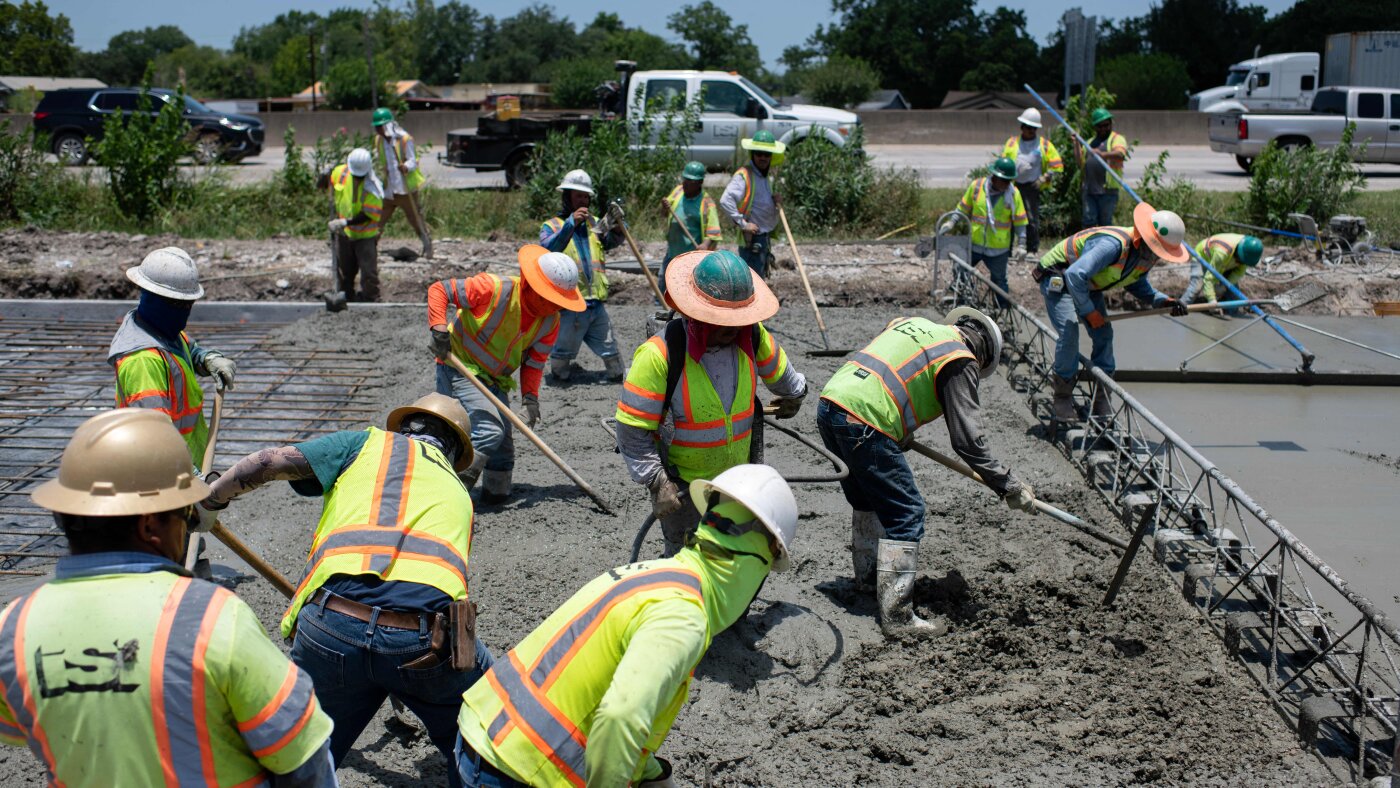
A recent heat wave over the Fourth of July weekend produced extreme temperatures that caused pavement failures — including a warped lane on Interstate 97 south of Baltimore and damage to a city street in Chicago — and prompted warnings from state transportation departments. Engineers explain that heat-related pavement failure happens when moisture weakens the base beneath pavement, allowing hot expansion to buckle concrete or cause rutting in asphalt. Concrete (rigid) pavements can fail suddenly but last longer; asphalt tends to deform and needs more frequent repairs. Design elements such as expansion joints, steel reinforcement, different panel sizes, and improved asphalt mixes can reduce failures, but they raise initial construction costs. Experts say existing pavement designs were based on historical climate and weather data; with hotter, wetter extremes becoming more common, engineers need updated climate data to design more resilient roads. The trade-off is between higher upfront expense for more robust designs and tolerating occasional disruptive failures and repairs. Researchers and transportation officials call for innovation, information-sharing, and incorporation of projected extreme-event scenarios into pavement design decisions.
Biblical Reflection
The article responsibly links observed pavement failures to more frequent extreme heat and heavier rainfall and highlights practical engineering trade-offs; its claims align with mainstream scientific and engineering perspectives about changing climate extremes and infrastructure vulnerability. The piece focuses on technical causes and solutions rather than political blame, which helps readers weigh costs and benefits honestly. From a Christian vantage point, this story raises themes of stewardship and neighbor-love: public infrastructure is a common good that protects lives, access to work and health services, and economic stability. Neglecting long-term risks because of short-term cost savings can leave the most vulnerable exposed. At the same time, Christians should avoid fear-driven or partisan responses and instead advocate for prudent, evidence-based planning that balances fiscal responsibility with protection for those who would suffer most from infrastructure disruptions. The article also points to a practical humility: engineers can design for greater extremes, but they need reliable climate data and a civic will to pay for resilience — both require cooperation, truth-seeking, and wise stewardship of resources.
Scripture in context
This outlook does not yet include contextual Scripture citations. Do not treat a general biblical theme as an exegetical conclusion.
Faithful Response
No prescribed response is offered. Consider the reflection prompts below in your own church context.
Reflection and Discussion
- 1Does our community prioritize short-term savings over long-term resilience in ways that put the most vulnerable at risk?
- 2Whose voices are included when decisions are made about paying for more durable infrastructure, and who bears the costs of failures today?
- 3Are public leaders and engineers using honest, up-to-date data to guide design choices, or are assumptions based on past climates that no longer apply?
Sources
Reporting links are evidence inputs; Sanctuary News' biblical reflection is commentary.
This outlook currently relies on fewer than two linked sources. Broaden verification before teaching from it.
- 1.Original reportprimary