News Summary
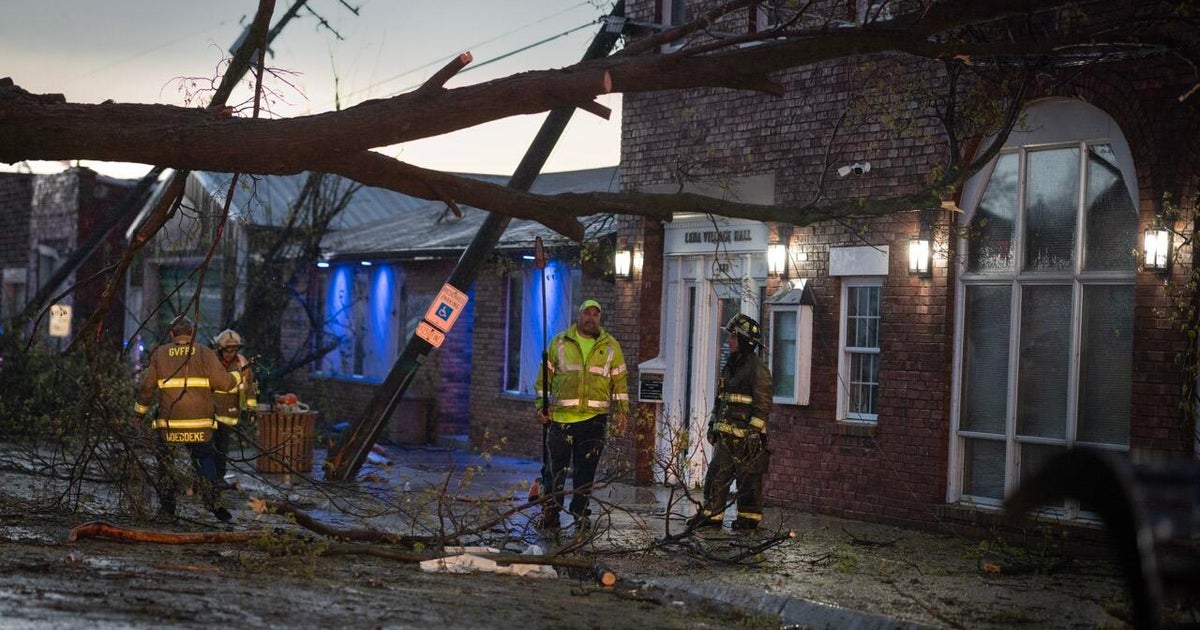
Multiple tornadoes and severe thunderstorms moved across parts of the Midwest, Great Lakes and Southern Plains on Friday and into Saturday. The National Weather Service in La Crosse, Wisconsin, issued 26 tornado warnings that day — the most in a single day for that office since 1995. An EF-2 tornado struck Rochester, Minnesota, with peak winds around 125 mph; more than a dozen homes were damaged or destroyed there but no serious injuries were reported. Tornadoes also caused damage and power outages in parts of Illinois (Lena), suburban Kansas City, Oklahoma (Ponca City, Kay County, Osage County), and other areas. At one point over 70,000 customers in the Midwest and Great Lakes were without power, though most power was restored by Saturday evening. Local officials reported significant downed trees, damaged roofs, and blocked roads; some schools in Lena had damage while students were inside, but officials reported no serious injuries or loss of life. Emergency crews and residents were engaged in cleanup and restoration. A new round of severe weather was forecast for parts of the Southern Plains, Mississippi Valley and Great Lakes, with damaging winds, isolated hail, flash flooding and possible tornadoes expected to move eastward overnight into Sunday.
Biblical Reflection
The article is straightforward news reporting focused on facts: warnings issued, damage assessments, power outages, and community cleanup. It emphasizes immediate effects and human responses (neighbors helping, emergency crews restoring power) rather than causes or long-term trends. From a Christian perspective, several important themes stand out. First, the account highlights human vulnerability and the suddenness of loss — reminders of our dependence on God and one another (Psalm 46:1). Second, the stories of neighbors helping neighbors and emergency workers responding model the biblical call to bear one another's burdens and to serve the vulnerable (Galatians 6:2; James 2:14–17). Third, the piece largely avoids sensationalizing suffering; it reports that there were no reported fatalities or serious injuries, which is important for truthful reporting that resists fearmongering. The article does omit deeper context that Christians should notice: it does not explore preparedness, infrastructure resilience, or the long-term needs of affected families and communities. It also does not address larger patterns that may inform policy and stewardship choices (e.g., building codes, emergency funding, community planning). Practically, the biblical response to such events calls for prayer, compassionate action, wise stewardship, and mutual aid — not panic or simplistic explanations. Christians should also be careful not to spiritualize disasters as punitive signs but to respond with mercy, practical help, and thoughtful engagement with civic systems that protect the vulnerable.
Scripture in context
This outlook does not yet include contextual Scripture citations. Do not treat a general biblical theme as an exegetical conclusion.
Faithful Response
No prescribed response is offered. Consider the reflection prompts below in your own church context.
Reflection and Discussion
- 1What parts of this report does the media emphasize (warnings, damage, heroism) and what practical needs or systemic issues (preparedness, infrastructure, long-term recovery) does it leave unexplored?
- 2Does the article's framing encourage fear, resignation, or responsible action — and how should a Christian worldview shape our interpretation of natural disasters and communal responses?
- 3How does the coverage of neighbors helping neighbors and emergency responders challenge us to think about Christian responsibility for public service, charity, and civic engagement?
Sources
Reporting links are evidence inputs; Sanctuary News' biblical reflection is commentary.
This outlook currently relies on fewer than two linked sources. Broaden verification before teaching from it.
- 1.Original reportprimary