News Summary
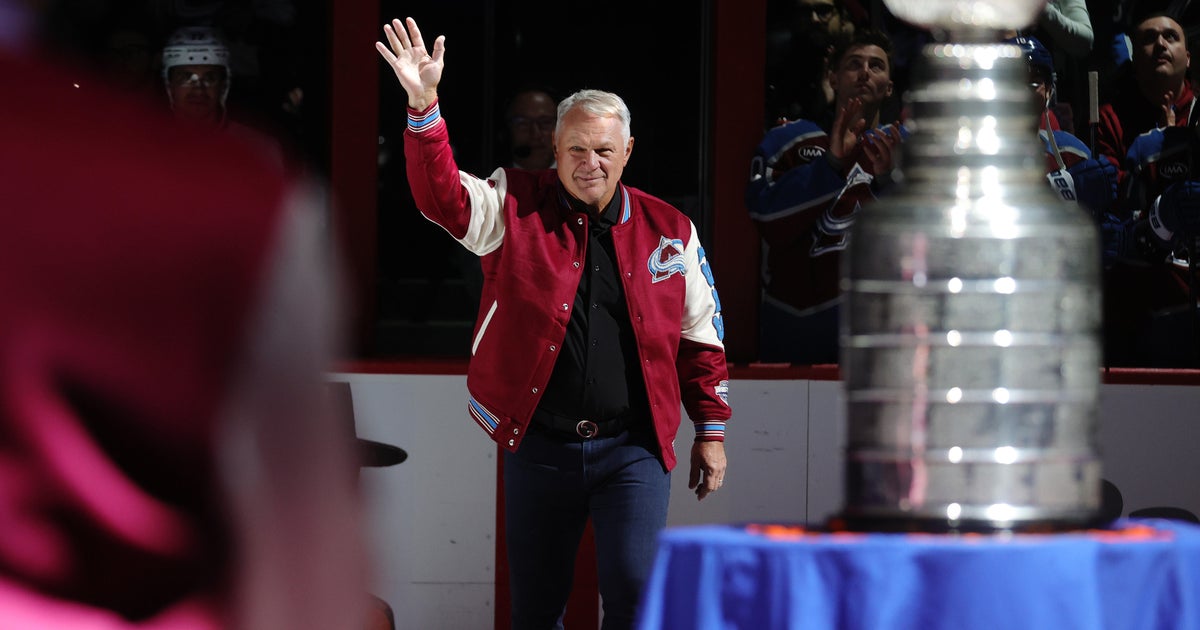
Claude Lemieux, 60, has died, the NHL Alumni Association announced on social media. No cause of death or location was immediately provided. Lemieux served as the Montreal Canadiens' torchbearer before Game 3 of the Eastern Conference Final at the Bell Centre on the night of his death. He won four Stanley Cups (with Montreal in 1986, New Jersey in 1995 and 2000, and Colorado in 1996) and the 1995 Conn Smythe Trophy as playoff MVP with the New Jersey Devils. Known for a physical and confrontational style of play, he was suspended two games in 1996 for a hit on Detroit's Kris Draper. Over a career spanning 1983–2009 he played 1,449 regular-season and playoff games with six NHL teams. After retiring, Lemieux worked as a player agent representing more than a dozen NHL players, including Frederik Andersen, Timo Meier, Moritz Seider, and Hampus Lindholm. Reactions to his death came from NHL figures and teams — Canadiens owner Geoff Molson, Avalanche executive and former teammate Joe Sakic, the Devils organization, Commissioner Gary Bettman — and from former adversaries such as Darren McCarty. A post from former President Donald Trump on Truth Social also commented on Lemieux’s career and political support. The article notes Lemieux’s remarks at a December gathering marking the 30th anniversary of Colorado’s 1995 Cup and references the recent 2024 death of former teammate Chris Simon.
Biblical Reflection
From a Christian perspective this is a moment to hold complexity: celebrate a gifted life and mourn a public figure while honestly acknowledging the harm his aggressive play sometimes caused. The article largely reports factual responses and career highlights; it foregrounds toughness and championship achievement and includes a range of reactions, including political commentary. That framing can encourage idolizing winning and aggression; the church should resist reducing a person to public persona alone. Truth calls us to remember both the good — teamwork, loyalty to teammates, family devotion cited by colleagues — and the consequences of choices that hurt others on and off the ice. Mercy and humility ask us to grieve with those who loved him, to offer compassion to those harmed in rivalries, and to pray for consolation for his family. Courage and peace invite believers to model reconciliation rather than merely celebrating toughness, and to use the occasion to speak about care for mental, emotional, and spiritual well‑being in competitive cultures. Finally, the lack of basic facts about his death (cause, place) cautions readers to wait for confirmed information and to avoid speculation.
Scripture in context
This outlook does not yet include contextual Scripture citations. Do not treat a general biblical theme as an exegetical conclusion.
Faithful Response
No prescribed response is offered. Consider the reflection prompts below in your own church context.
Reflection and Discussion
- 1How does our admiration for competitive success shape the way we remember public figures, and what parts of their lives do we risk overlooking?
- 2When a person known for aggression dies, how should Christians balance truth about harm caused with compassion for the grieving family?
- 3Are we quick to accept social‑media reactions and partisan statements as the full story, or do we wait for confirmed facts and respond with humility?
Sources
Reporting links are evidence inputs; Sanctuary News' biblical reflection is commentary.
This outlook currently relies on fewer than two linked sources. Broaden verification before teaching from it.
- 1.Original reportprimary