News Summary
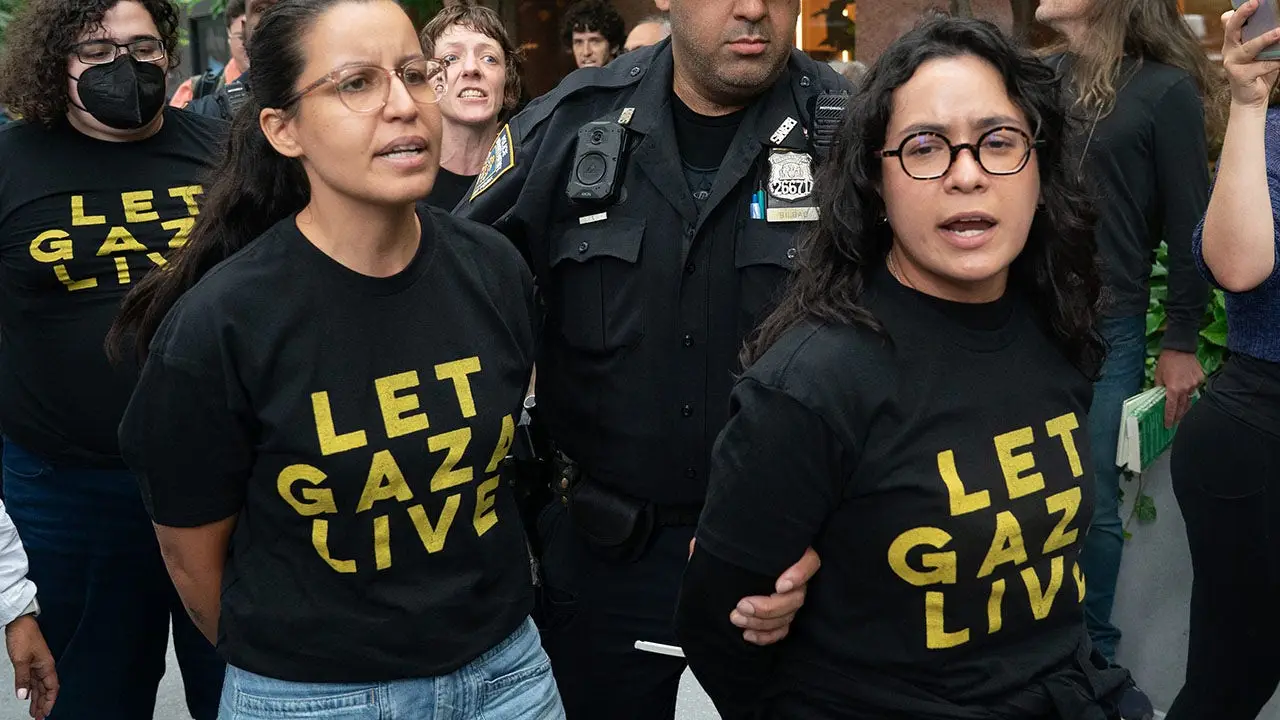
On July 4, 2026, New York Assembly member and congressional candidate Claire Valdez posted on X that she would "continue to fight for liberation from Palestine to Puerto Rico, for a Green New Deal, for the world we deserve." The July 4 post prompted criticism from commentators across the political spectrum who said the message did not acknowledge American Independence Day. Valdez is a Democratic Socialists of America–backed candidate who won a Democratic primary in June for a deep-blue Brooklyn–Queens House district and is expected to be competitive in the November general election. The article cites critics including conservative and centrist commentators and notes Valdez’s policy positions and alignment with other progressive primary winners who support ending U.S. military aid to Israel and advancing large-scale progressive domestic policies. The piece also references New York Mayor Zohran Mamdani, who delivered a critical speech about wealth inequality around the same holiday and has backed Valdez. Fox News Digital reported it reached out to Valdez’s campaign for comment.
Biblical Reflection
The article highlights a familiar dynamic in modern politics: a candidate’s online messaging intended to express solidarity with distant suffering collides with expectations about national holidays and symbolic patriotism. From a Christian discernment perspective, there are two legitimate concerns at work. First, speaking for the oppressed and calling for justice — whether for Palestinians, Puerto Rico, or economically marginalized Americans — reflects compassion and a concern for neighbor that Scripture commends. Second, timing and rhetoric matter: a message delivered on a national day of remembrance that omits any recognition of the country can be perceived as ungrateful or provocative, and social-media soundbites rarely allow for the nuance required in complex foreign-policy and domestic-justice conversations. The article’s framing leans into controversy by emphasizing critical responses and select quotes; it includes limited direct context or response from Valdez’s campaign, which narrows the reader’s view. Christians should filter such coverage for both truth and charity: test the facts (what exactly was said, when, and in what context), notice what voices are absent, and weigh whether the piece amplifies polarization over thoughtful debate. In practical terms, evaluate Valdez’s policy proposals by whether they promote human dignity, protect the vulnerable, and seek peace — not only by the tone of a holiday post. Likewise, resist reflexive scorning or idolizing of political figures; pursue convictions held with humility, courage to speak for justice, and a posture that seeks reconciliation where possible.
Scripture in context
This outlook does not yet include contextual Scripture citations. Do not treat a general biblical theme as an exegetical conclusion.
Faithful Response
No prescribed response is offered. Consider the reflection prompts below in your own church context.
Reflection and Discussion
- 1Am I reacting more to the timing and tone of a social-media post than to the candidate’s actual policy proposals and record?
- 2Which voices does this coverage highlight or silence, and how does that shape my judgment of the issue?
- 3How do our commitments to national gratitude and global compassion shape a faithful Christian response to political advocacy?
Sources
Reporting links are evidence inputs; Sanctuary News' biblical reflection is commentary.
This outlook currently relies on fewer than two linked sources. Broaden verification before teaching from it.
- 1.Original reportprimary