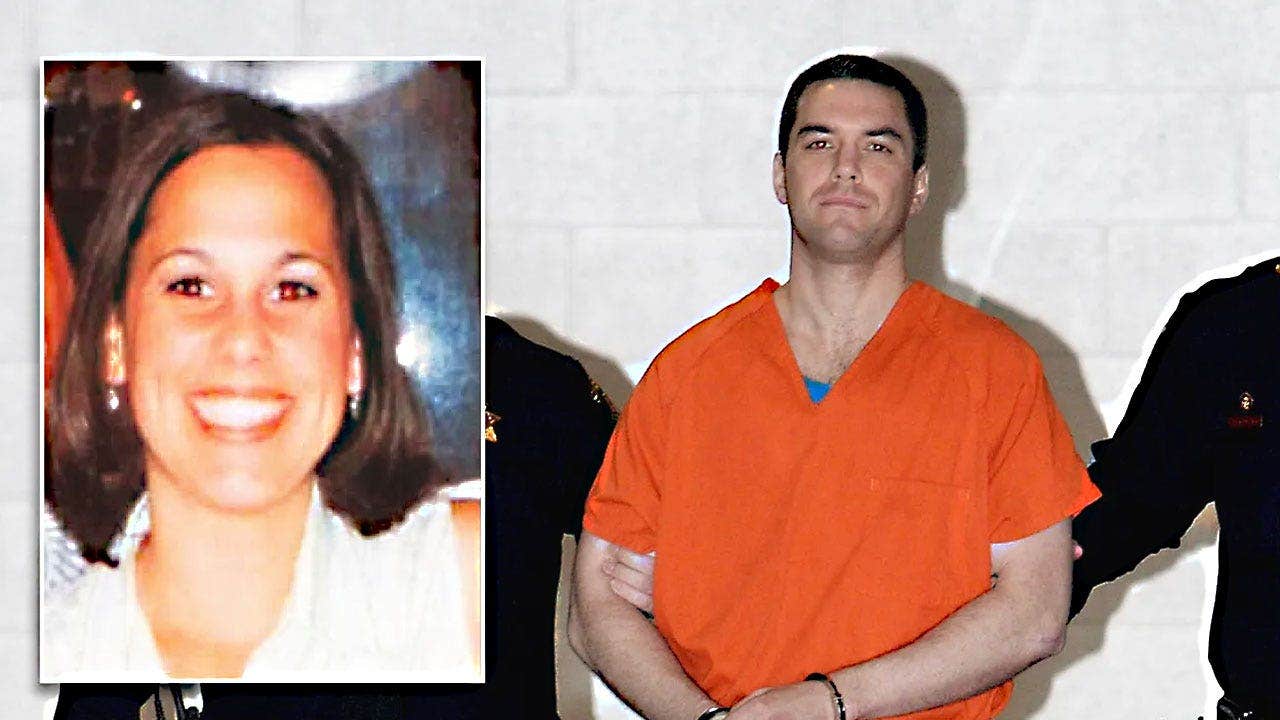
News Summary
Facts reported: LAIP and an A&E docuseries claim new evidence that could challenge Scott Peterson's conviction; the docuseries identifies 15 people who say they saw Laci after Peterson left; a burned van and a Medina burglary near the Peterson home are cited; an LAIP-retained expert used Delft3D modeling to suggest a different water-entry point; prior court filings indicated earlier testing did not identify Laci's DNA on the portion of the mattress that was tested; a San Mateo judge denied Peterson's recent petition in April. Attributions and disputed claims: the claims of "new evidence" and failures of Modesto police are presented mainly via LAIP and retired investigators; prosecutors, the trial judge, and Laci Peterson's mother dispute that anything materially new exists. Uncertainties: reliability of the 15 eyewitness accounts, the chain of custody and extent of prior DNA testing, whether undisclosed evidence remains testable, and how courts will treat the LAIP material on appeal.
Source and Framing Analysis
Source role and framing: The article is primary reporting of Fox News summarizing an A&E docuseries and statements by the LAIP and retired detectives while including counterstatements from prosecutors and the victim’s mother. Missing voices and evidence: the piece does not include direct Modesto Police Department investigative records, the docuseries' underlying datasets (witness statements, hydrodynamic study details), independent forensic reports, or the technical report for the Delft3D modeling. Incentives and perspective: A&E has an incentive to promote its documentary; LAIP advocates for case review; retired detectives and defense attorneys may emphasize investigative shortcomings; prosecutors and the judge have institutional incentives to defend the prior outcome and finality. Disputed claims requiring independent verification: the timing and credibility of the 15 sightings, the timing and relevance of the Medina burglary and burned van, the scope and results of prior DNA testing, and the technical robustness of the new hydrodynamic model. These require police records, court filings, forensic reports, witness statements, and the hydrodynamic study itself.
Biblical Reflection
This story raises core Christian concerns about truth, justice, and compassion. Seeking a correct verdict is a moral good — the Bible commends pursuing justice for the vulnerable — but doing so requires careful, methodical inquiry, respect for evidentiary standards, and humility about uncertainty. The documentary and LAIP’s efforts reflect a commitment to reexamination, which can serve justice if it uncovers verifiable new facts; at the same time, media-driven narratives and retrospective reconstruction risk reopening wounds and amplifying speculation when evidence is thin. We should be wary of tunnel vision on all sides: investigators must avoid prematurely excluding leads, advocates must avoid projecting hope onto inconclusive data, and the public must resist turning a legal process into a court of public sentiment. Pastoral concern also calls us to hold the victims’ family in compassion, to honor the need for finality in justice while supporting fair procedures for review, and to insist that any claim of new evidence be tested in the courts, not merely in documentary form.
Scripture in context
- 1Deuteronomy 16:18-20 — These instructions are part of laws given to Israel about appointing judges and pursuing justice in the community, emphasizing fair hearings and that justice should be pursued without perversion. — The passage calls communities and leaders to impartial, thorough procedures — a reminder to Christians to support fair processes, to correct wrongs when evidence justifies it, and to be wary of partiality that settles cases before all facts are examined.
Faithful Response
Pray for all affected: the victim's family, the incarcerated person, investigators, and judges — asking for truth, justice, and pastoral comfort.
Resist sharing or amplifying unresolved claims until corroborated by court records or independent experts.
If moved to act, contact elected officials or legal advocacy groups respectfully and request access to records or transparency rather than making public accusations.
Care for victims' families in practical ways (meals, listening, memorial prayers) regardless of legal outcomes, honoring their pain.
Reflection and Discussion
- 1Which pieces of evidence cited (eyewitness sightings, mattress DNA, hydrodynamic modeling) would you require independent documentation for before reassessing the case?
- 2How might the format and incentives of a documentary influence which facts are emphasized or omitted?
- 3Are we more inclined to believe claims that confirm our existing sympathies for the accused or for the victim, and how should that shape our response?
Sources
Reporting links are evidence inputs; Sanctuary News' biblical reflection is commentary.
This outlook currently relies on fewer than two linked sources. Broaden verification before teaching from it.
- 1.Claims of New Evidence in Scott Peterson Caseprimary_reporting