News Summary
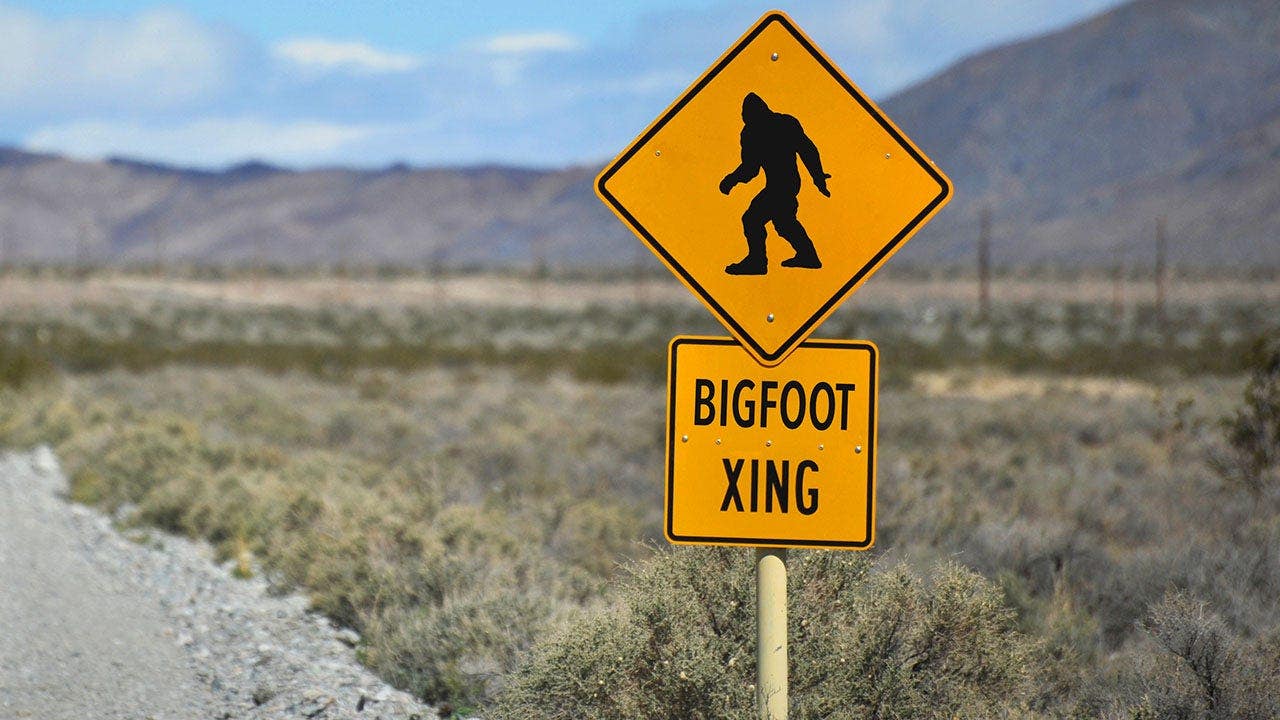
A self-styled Bigfoot hunter known as Charles “Snake” Stuart says he found alleged Bigfoot remains in the Adirondack Mountains in October 2024 and put a body on display at the New York State Fair. Stuart told media outlets that DNA testing performed “at Cornell’s Veterinary DNA Lab,” according to him, produced results he interprets as 58.5% Neanderthal and 41.5% human. Other individuals in the Bigfoot research community, including Matthew Moneymaker of the Bigfoot Field Researchers Organization, publicly criticized Stuart, calling him a hoaxer and saying the displayed corpse looked like a fabricated prop. The article quotes proponents and skeptics and frames the discovery as contested; it does not present independent verification of the provenance of the remains, the chain of custody, or confirmation from the named laboratory beyond Stuart’s statements.
Biblical Reflection
From a Christian discernment perspective, this story raises issues about truth, testimony, and motive. Extraordinary biological claims require clear, independently verifiable evidence and transparent scientific process; absent that, the responsible posture is cautious skepticism rather than credulous acceptance or reflexive dismissal. The article mixes eyewitness folklore, personal testimony, and a contested scientific claim without offering independent confirmation, which invites both gullibility and cynical mockery. Christians are called to pursue truth and to speak it in love: demand rigorous verification of factual claims (especially those with potential financial or reputational incentives), avoid delighting in the embarrassment of others, and show mercy toward those who may be sincere but mistaken. At the same time, beware of any claim that trades on spectacle or profit at the expense of honest inquiry, because deception undermines trust and harms neighbors who rely on truthful information.
Scripture in context
This outlook does not yet include contextual Scripture citations. Do not treat a general biblical theme as an exegetical conclusion.
Faithful Response
No prescribed response is offered. Consider the reflection prompts below in your own church context.
Reflection and Discussion
- 1What motivations (fame, profit, attention, genuine inquiry) might influence how this claim is presented and received?
- 2How does the article balance anecdote, expert critique, and independent verification — and what does that balance tell you about how much to trust the claim?
- 3When Christians encounter sensational or dubious claims, how should we combine charity toward people with a commitment to truth?
Sources
Reporting links are evidence inputs; Sanctuary News' biblical reflection is commentary.
This outlook currently relies on fewer than two linked sources. Broaden verification before teaching from it.
- 1.Original reportprimary