News Summary
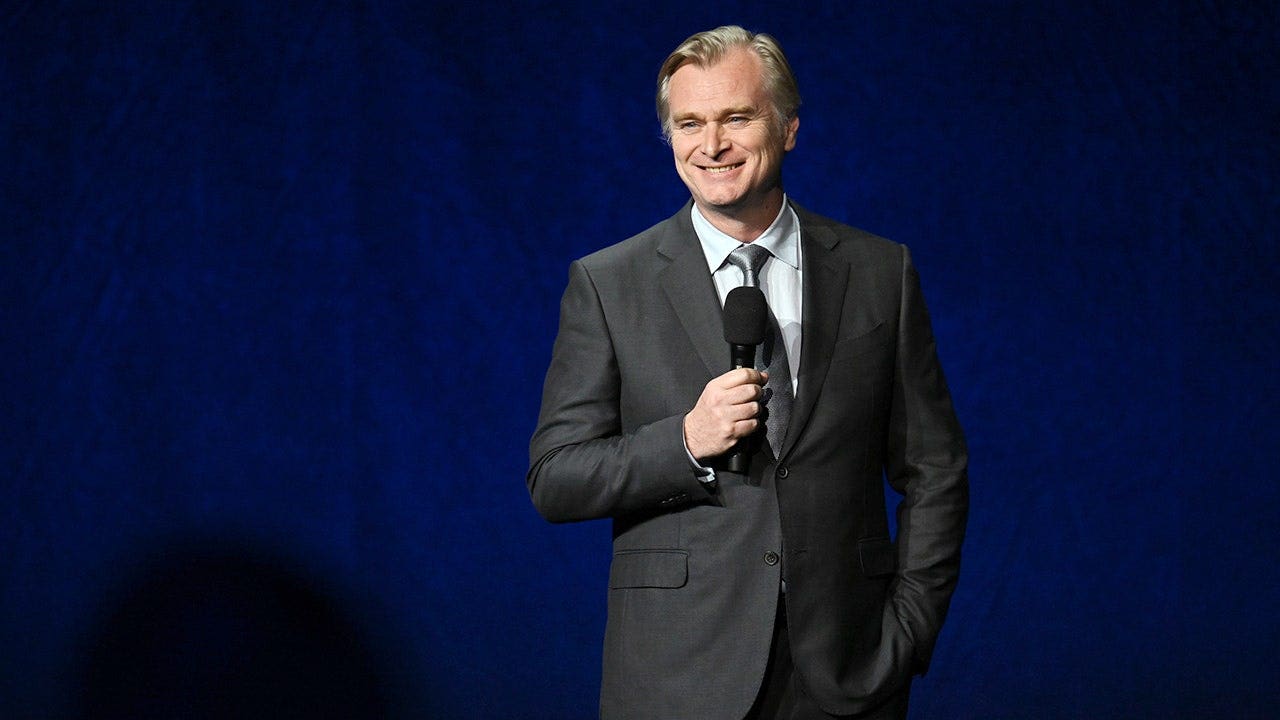
Christopher Nolan is directing a film adaptation of Homer's The Odyssey, set for release July 17, 2026. A Time interview with Nolan and cast confirmed casting and production details: Matt Damon plays Odysseus; Lupita Nyong'o is cast as Helen; other attached actors reported include Zendaya, Tom Holland, Anne Hathaway, Charlize Theron, Elliot Page and others. Nolan had a seaworthy ship built for the production and told composer Ludwig Göransson not to use an orchestra for the score; Göransson reported Nolan framed that choice by noting orchestras did not exist in Homeric times. Nolan also said he cast rapper Travis Scott to gesture toward the oral-poetry nature of the epic, comparing it to modern rap. The Time piece and subsequent coverage note that some commentators and readers expressed confusion or criticism about casting decisions — particularly Nyong'o as Helen and the inclusion of a contemporary rapper — given Nolan’s stated emphasis on historical research and realism.
Biblical Reflection
This story highlights the recurring tension between artistic interpretation and expectations about historical or textual fidelity. Nolan’s choices — building practical sets, altering musical approach, and casting across contemporary categories of performer — appear driven by his artistic view of how to make an ancient, orally transmitted poem feel immediate for modern audiences. Critics’ responses reveal another reality: many people instinctively equate ’faithfulness’ with visual or ethnic matches to historical or literary descriptions. Both impulses deserve attention. As Christians called to truth and charity, we should avoid rush-to-judgment and recognize legitimate questions on both sides: does a creative decision illuminate the source material or obscure it? Is representation being used thoughtfully or tokenistically? Also be aware of hidden assumptions in media coverage that present certain casting choices as inherently “wrong” without engaging the director’s stated artistic reasons. Ultimately, artistic works are interpretive acts; critique is appropriate, but should be measured, fact-focused, and charitable. We should resist turning cultural disagreements about casting into moral crusades and instead aim for sober discernment — speaking truth in love (Ephesians 4:15) — while protecting space for serious artistic risk and responsible public conversation.
Scripture in context
This outlook does not yet include contextual Scripture citations. Do not treat a general biblical theme as an exegetical conclusion.
Faithful Response
No prescribed response is offered. Consider the reflection prompts below in your own church context.
Reflection and Discussion
- 1Am I reacting to this casting based on clear facts about the film’s artistic aims, or from assumptions about how ancient characters must 'look'?
- 2Does the coverage focus more on emotion and outrage than on the director’s stated reasons and the film’s artistic context?
- 3How can Christians hold firm to truth while discussing culture in a way that models humility and charity rather than tribalism?
Sources
Reporting links are evidence inputs; Sanctuary News' biblical reflection is commentary.
This outlook currently relies on fewer than two linked sources. Broaden verification before teaching from it.
- 1.Original reportprimary