News Summary
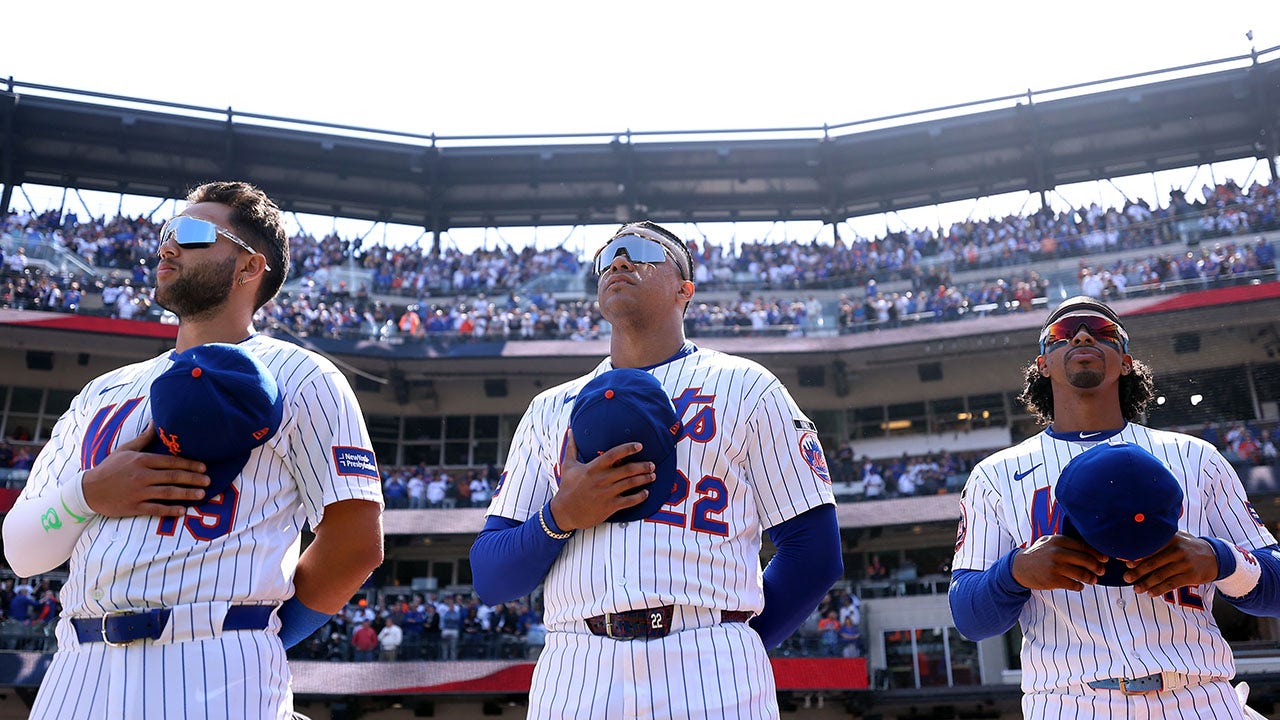
On March 26, 2026, at Citi Field in New York, actor/singer Chris Jackson sang the U.S. national anthem before the New York Mets' season opener against the Pittsburgh Pirates. Partway through the fourth line of "The Star-Spangled Banner," Jackson repeated an earlier phrase — singing "What so proudly we hailed" again instead of continuing with "O'er the ramparts we watched" — then proceeded with the rest of the anthem. The Mets fell into an early 0-2 deficit with Freddy Peralta pitching but rallied in the first inning for five runs, aided by Pittsburgh defensive errors, and removed reigning Cy Young Award winner Paul Skenes in the first inning (the first time in his 56th career start he failed to record more than one out). The article notes recent roster changes for the Mets and mentions Jackson's Broadway credits (Hamilton, In the Heights, The Lion King, Bronx Bombers).
Biblical Reflection
From a Christian perspective, this story involves two small but distinct things: a public mistake during a ceremonial moment and a sporting contest that featured an unexpected early inning turnaround. The reporting is factual about what happened, but the tone and framing lean toward sensationalizing the anthem error (calling it "hilarious" or a "bad omen") and tying it to past team failure. That linkage invites superstition and scapegoating rather than sober assessment.
Scripturally-informed discernment calls us to respond to public human mistakes with humility and grace (not ridicule), and to resist attributing spiritual meaning to coincidences. Public rituals like national anthem performances carry emotional and symbolic weight; they rightly merit respect. But Christians should avoid elevating a slip of memory into moral condemnation or a prognostication of doom. Likewise, reporters and consumers should notice how language ("hilarious," "bad omen") steers readers toward judgmental or sensational interpretations rather than balanced fact.
This event reminds believers to practice charity in speech (James 1:26; Ephesians 4:29), to avoid superstition (trust God rather than signs), and to prioritize truth and mercy over cheap entertainment at another's expense. At the same time, it’s reasonable to expect professionalism from those performing civic symbols; accountability can be offered gently, not vindictively. Finally, keep perspective: the deeper issues worth attention are people’s character, community flourishing, and how we use moments like this—do we build up or tear down?
Scripture in context
This outlook does not yet include contextual Scripture citations. Do not treat a general biblical theme as an exegetical conclusion.
Faithful Response
No prescribed response is offered. Consider the reflection prompts below in your own church context.
Reflection and Discussion
- 1Does framing a small public mistake as a "bad omen" reveal a tendency toward superstition or sensationalism in how we read events?
- 2How do our reactions to a performer's slip — mockery, dismissal, or compassion — reflect Christian values about speech and the dignity of others?
- 3Are we prioritizing what truly matters (character, community, truth) or being distracted by trivial public moments that provoke outrage or entertainment?
Sources
Reporting links are evidence inputs; Sanctuary News' biblical reflection is commentary.
This outlook currently relies on fewer than two linked sources. Broaden verification before teaching from it.
- 1.Original reportprimary