News Summary
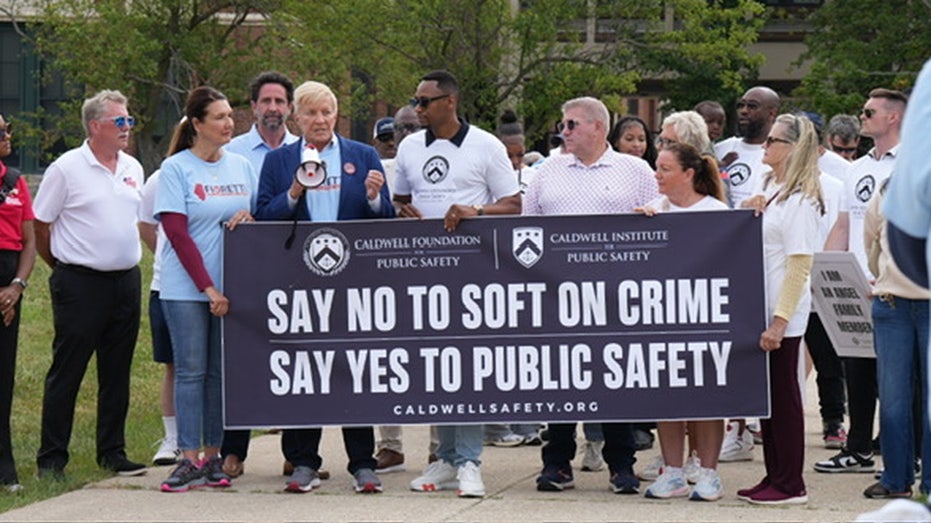
Facts: An opinion column by Gianno Caldwell reports a march held near the location where the author says his brother was murdered and says the event drew crowds. Attributed claims: Caldwell states he invited Gov. J.B. Pritzker and Mayor Brandon Johnson to the march and that neither responded. Uncertainty: The piece is an opinion column and does not include independent documentation (e.g., copies of invitations, confirmations of delivery, or official statements) to corroborate the claim that the two officials did not respond.
Source and Framing Analysis
This is an authored opinion piece in a national news outlet. Its framing centers the author's personal loss and a political critique of 'blue city' leadership. Material uncertainties that affect the story include whether invitations were sent as described, whether the offices were given adequate time or means to respond, and whether the officials were invited in their official capacities. The piece mixes personal testimony and political argument; readers should separate verifiable facts (a march occurred; the author reports a murder in his family) from interpretive claims (politicians 'left behind' families) that reflect the author's perspective.
Biblical Reflection
The grief of families who have lost loved ones to violence is a moral reality that calls for Christian compassion, presence, and concrete support. The author’s account highlights legitimate pastoral priorities: walking with those who mourn, demanding safer communities, and calling leaders to answer for public safety failures. Christians can join in lament and practical care without adopting partisan labels as the only lens.
At the same time, the article is an opinion piece making specific claims about invitations and officials’ responses without providing independent documentation in the text. Christian wisdom asks for careful discernment: seek corroborating facts before assuming malice or indifference on the part of named leaders. Holding grief, the call for accountability, and the discipline of verifying claims are not contradictory but complementary—faithful neighbors accompany the suffering while pursuing truth and justice through appropriate civic channels.
Finally, resist simplistic narratives that turn human tragedy into tribal ammunition. The Gospel calls for both truth and mercy: demand responsible leadership and accountable public institutions, but do so in ways that promote reconciliation, protect the vulnerable, and cultivate humility rather than escalating partisan animosity.
Scripture in context
- 1Luke 10:25-37 (Parable of the Good Samaritan) — In its literary and historical setting, Jesus tells this parable in response to a question about who qualifies as a 'neighbor.' The story contrasts religious observance with compassionate action toward someone in desperate need, crossing cultural and social barriers. — The passage challenges Christians to prioritize compassionate presence and practical help for victims of violence and loss, regardless of partisan identity, and to let genuine neighbor-love shape civic engagement rather than using suffering as a political weapon.
Faithful Response
Offer concrete support to grieving families (meals, childcare, rides, presence) rather than only public statements.
Pray for victims, their families, community safety, and for public officials, asking God to grant wisdom and repentance where needed.
Seek factual clarity before public accusation: request confirmation of invitations, public statements from officials, or third-party reporting when weighing claims.
Engage civic processes respectfully—attend city meetings, contact representatives, and support local violence-prevention efforts.
Reflection and Discussion
- 1Am I more moved by grief or by political advantage when I hear reports of families harmed by violence, and how does that affect my response?
- 2What concrete steps can the church take in this neighborhood that express both compassion for victims and a pursuit of justice?
- 3How should Christians balance urgent public critique of leaders with the biblical call to pray for and bless those in authority?
Sources
Reporting links are evidence inputs; Sanctuary News' biblical reflection is commentary.
This outlook currently relies on fewer than two linked sources. Broaden verification before teaching from it.
Download source notes