News Summary
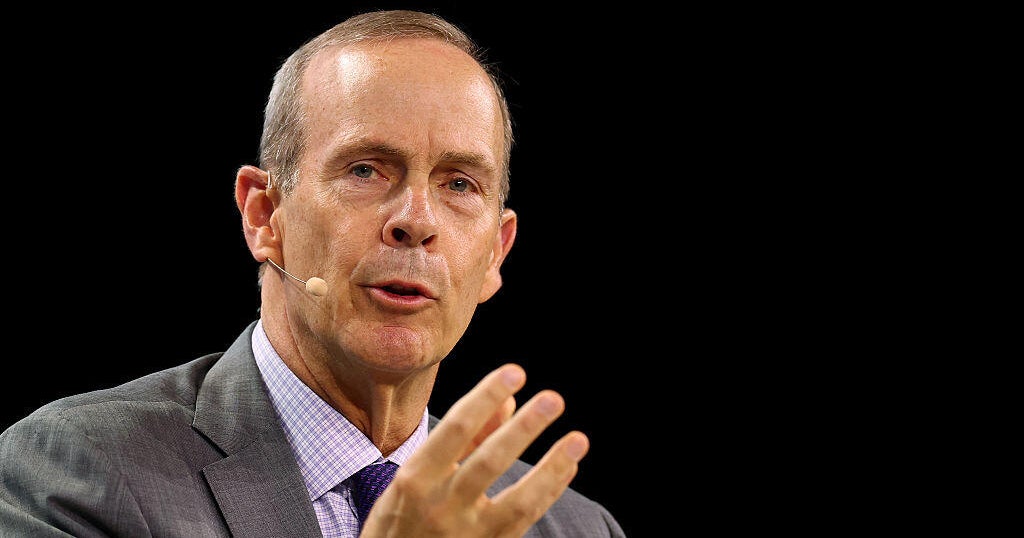
On April 23, 2026, Chevron CEO Mike Wirth said in a Face the Nation interview that airline fares are likely to rise and some flights may be reduced in the coming weeks as a result of tighter jet fuel supplies and higher fuel prices. Wirth linked the pressure on fuel markets to the standoff with Iran over the Strait of Hormuz and said jet fuel was tightening in Europe and Asia; some airlines have already adjusted schedules, cut routes, and increased baggage fees. He noted parts of the world had jet fuel shortages before the Feb. 28 outbreak of war with Iran. Wirth added that U.S. carriers are somewhat better positioned because the U.S. produces its own jet fuel. According to the article, jet fuel prices in North America have surged more than 80% year-over-year (per IATA). The piece also reported average U.S. gasoline at $4.03 per gallon and diesel at $5.47 per gallon (CBS News price tracker). The article focused on market signals, airline responses (route optimization, fuller planes), and the likely flow-through into higher fares.
Biblical Reflection
The reporting centers on market reality: rising fuel costs and supply tightness can and often do push airline operating costs up, which carriers pass on through higher fares and fewer flights. The piece relies chiefly on a corporate leader's assessment (Chevron's CEO), which is a valid source for energy-market trends but represents an industry perspective focused on supply, prices, and operational impacts. Missing from the article are deeper perspectives about the human and ethical effects of rising travel costs — for example, how price increases disproportionately affect lower-income travelers, workers in travel-dependent industries, or families seeking to reunite. It also does not examine governmental or diplomatic remedies that might reduce the underlying geopolitical risks. From a biblical viewpoint, this story reminds Christians that earthly economies are fragile and subject to conflict and human sinfulness (cf. the brokenness that produces war and scarcity). The appropriate Christian response includes sober discernment (seeking accurate information, not panic), wise stewardship of resources, and compassion for those harmed by economic shocks. We should neither treat market warnings as reasons for fear without prayer nor as groundless alarmism — test claims against facts, care for neighbors whose burdens increase, and pray for those who make policy and business decisions. Finally, pay attention to what voices are present and absent in reporting: industry leaders and aggregate price data are included; the vulnerable and public policy actors are less visible. That omission can narrow our view of both cause and remedy.
Scripture in context
This outlook does not yet include contextual Scripture citations. Do not treat a general biblical theme as an exegetical conclusion.
Faithful Response
No prescribed response is offered. Consider the reflection prompts below in your own church context.
Reflection and Discussion
- 1Whose experiences and needs are not represented when news coverage focuses mainly on corporate and market perspectives?
- 2How does framing this as a technical/market problem shape what solutions we consider (e.g., individual price pressure vs. collective policy or humanitarian responses)?
- 3When economic warnings are issued, how can Christians balance prudence and planning with trust in God and compassion for those most affected?
Sources
Reporting links are evidence inputs; Sanctuary News' biblical reflection is commentary.
This outlook currently relies on fewer than two linked sources. Broaden verification before teaching from it.
- 1.Original reportprimary