News Summary
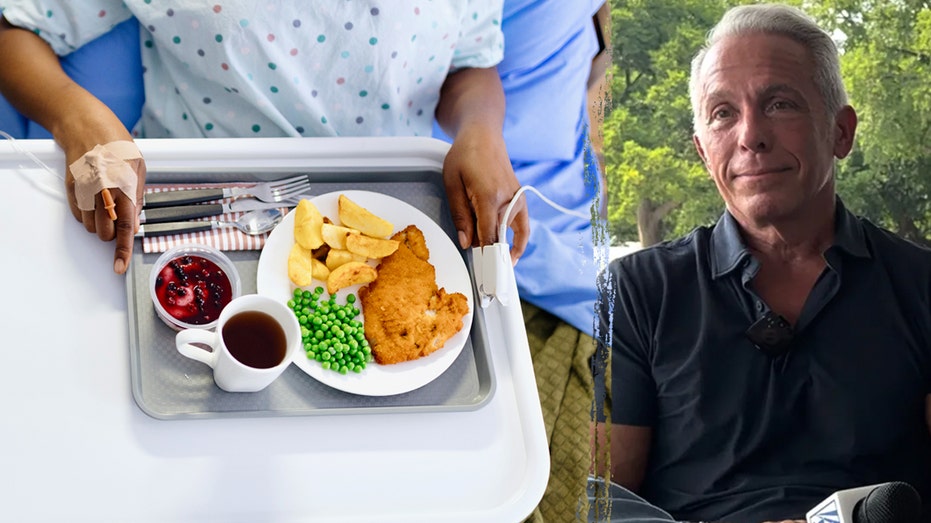
Reported facts: Fox News reports Michelin-star chef Geoffrey Zakarian redesigned Tampa General Hospital's patient menu, removing seed oils and added sugar and doing so on a budget. Attributed claims: The article presents the menu change as intended to improve patient health, a claim attributed to the chef/reporting. Uncertainties: The piece does not provide quantified health outcomes, cost details, patient feedback, clinical assessments, or independent expert commentary.
Source and Framing Analysis
The article is a single-source feature (Fox News reporting on Zakarian's account). It frames the narrative positively around the chef’s initiative and lists specific ingredient changes (seed oils, sugar) without citing clinical studies or hospital outcome data. Nutrition claims around 'seed oils' and sugar can be contentious; the report does not show evidence linking these specific menu edits to measurable patient-health improvements or cost analyses, leaving room for uncertainty about impact and generalizability.
Biblical Reflection
Christians should receive inspiring examples of service-minded innovation with gratitude while holding such claims to the standard of truth and care for neighbors. The initiative to improve hospital food aligns with the biblical concern for the sick and the dignity of those who are cared for; good food can be an expression of love and restoration. However, faithful stewardship matters too: hospitals operate with constrained budgets and must weigh nutritional benefits, cultural acceptability, medical restrictions, and measurable health outcomes.
The article’s presentation risks overstating causal effects when it links menu changes directly to improved patient health without providing evidence. From a Christian virtue perspective, we should celebrate efforts that treat patients with dignity and better nutrition, but also press for transparency, data, and inclusion of medical staff and patients in decisions. Truth requires asking for evidence; mercy requires acting in ways that relieve suffering now; humility requires acknowledging uncertainty about complex nutritional science; and neighbor-love requires attending to the tastes, dietary needs, and cultural backgrounds of patients.
Practically, this story invites Christians to advocate for institutions that love neighbors through nourishment while demanding accountability—ask who benefits, what evidence supports claims, and whether changes respect patients’ medical needs and voices. Where claims are uncertain, pray and seek wisdom, and where positive change is verified, support broader adoption that protects vulnerable patients physically and socially.
Scripture in context
- 1Matthew 25:35-40 — In Matthew 25, Jesus describes the final judgment in terms of concrete acts of mercy—feeding the hungry, welcoming strangers, clothing the naked, and visiting the sick—showing that care for bodily needs is intrinsic to faithful life. — The passage encourages Christians to see feeding and caring for the sick as a form of service to Christ; it supports attention to how institutions like hospitals care for patients’ physical needs while reminding believers that acts of compassion should be sincere, concrete, and attentive to the dignity of those served.
Faithful Response
Pray for hospital leaders, chefs, medical staff, and patients involved in the change and for wisdom in implementing nutrition reforms.
Encourage local hospitals and clinics to involve medical professionals, dietitians, and patients—especially the most vulnerable—in menu planning and to measure outcomes before and after major changes.
Support practical service: volunteer or organize meal ministry that respects medical diets and cultural food preferences for patients and caregivers.
Advocate for transparency and evaluation—ask hospitals to publish basic outcome measures (patient satisfaction, adverse events, cost changes) when making significant dietary changes.
Reflection and Discussion
- 1What kinds of evidence should we ask for to determine whether a health-related innovation truly benefits vulnerable people?
- 2How can Christians hold both a passion for compassionate reform and a commitment to rigorous truth-telling about outcomes?
- 3In what ways should patient dignity and cultural food practices shape institutional decisions about hospital meals?
Sources
Reporting links are evidence inputs; Sanctuary News' biblical reflection is commentary.
This outlook currently relies on fewer than two linked sources. Broaden verification before teaching from it.
Download source notes