News Summary
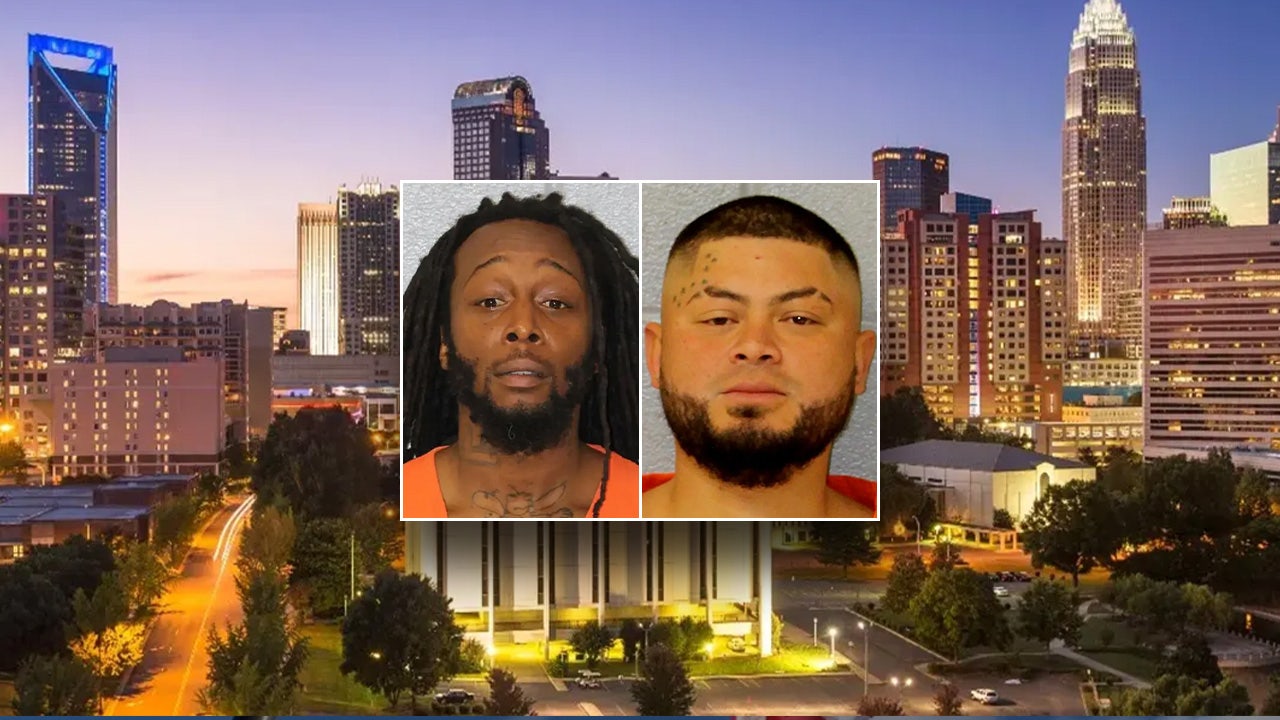
Charlotte, North Carolina, is experiencing heightened concerns about public safety after two violent stabbings occurred on the city’s LYNX light rail system within a few months. According to a recent survey, two-thirds of Charlotte residents feel less safe than they did a year ago. The most recent incident involved Oscar Solarzano, a Honduran national with a criminal record and a history of deportation, who was charged with attempted first-degree murder after allegedly stabbing Kenyon Kareem-Shemar Dobie during a dispute on a train. Dobie intervened when Solarzano appeared to threaten an elderly woman. Solarzano had previously been deported twice and had reentered the U.S. illegally, according to DHS sources. The earlier fatal stabbing involved Ukrainian refugee Iryna Zarutska, who was allegedly killed by Decarlos Brown Jr., another individual with a violent history and mental health issues. The incidents have raised questions about public safety, law enforcement, immigration enforcement, and community trust.
Biblical Reflection
Scripture teaches us to value peace, justice, and the dignity of every human being. The rise in violent crime and the feeling of insecurity among Charlotte residents is troubling and reflects a deeper societal need for both justice and compassion. The actions described—violence, disregard for the vulnerable, and repeated harm by those with criminal histories—are contrary to the biblical call to love one's neighbor (Mark 12:31) and to protect the innocent (Psalm 82:3-4). At the same time, the Christian response is not one of fear or vengeance, but of seeking restoration, accountability, and wise governance. Communities are right to desire proactive protection, but also must work toward addressing the root causes of crime, such as broken systems, mental health, and spiritual poverty. The call to intervene for the vulnerable, as Dobie did, is commendable, yet it also highlights the need for systems that prevent such threats from arising. Christians are reminded to pray for peace, support those who suffer, and seek both justice and mercy in their city (Micah 6:8).
Scripture in context
This outlook does not yet include contextual Scripture citations. Do not treat a general biblical theme as an exegetical conclusion.
Faithful Response
No prescribed response is offered. Consider the reflection prompts below in your own church context.
Reflection and Discussion
- 1How can I be a source of peace and protection for those who feel vulnerable in my community?
- 2What role does my faith play in confronting fear and responding to the brokenness around me?
- 3How can justice and mercy be balanced in addressing crime and supporting those affected by violence?
Sources
Reporting links are evidence inputs; Sanctuary News' biblical reflection is commentary.
This outlook currently relies on fewer than two linked sources. Broaden verification before teaching from it.
- 1.Original reportprimary