News Summary
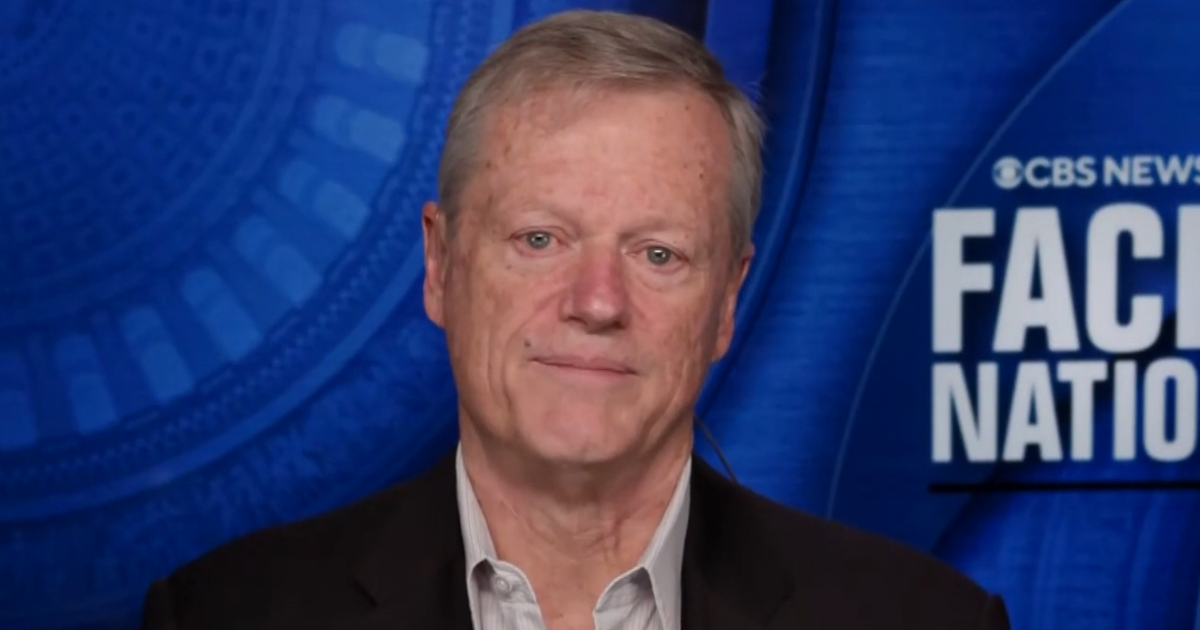
This is the full transcript of a taped July 1, 2025 interview with NCAA President Charlie Baker that partially aired on Face the Nation on July 5, 2026. Baker describes the recent, large-scale changes in college athletics driven by NIL and school-based revenue sharing, calling it the NCAA’s biggest transformation in decades and noting the complexity and expected “bumps.” He supports the bipartisan Protect College Sports Act because it would create national standards on NIL, regulate agents, and resolve state preemption issues, while acknowledging concerns from some conferences (notably the Big Ten and SEC). Baker argues revenue sharing primarily affects high-revenue sports (chiefly football and major basketball) and says such revenue supports other programs; he disputes the idea of a widespread crisis in Olympic and nonrevenue sports, noting some sports are added even as others are cut and that the NCAA tracks additions and reductions quarterly. He says the NCAA has raised $300 million since he took office, partly to pay legal settlements. On transgender athlete policy, Baker says the NCAA will maintain a national standard consistent with the federal policy it adopted earlier and does not expect major changes after the Supreme Court decision allowing states to set rules; he noted fewer than ten openly transgender student-athletes among roughly 500,000. Regarding conference realignment, he ties future moves to TV contract timing and suggests conferences are discussing more regional scheduling for sports with many games. He warns that a conference breakaway would complicate national championships. Baker describes governance reforms at the NCAA (fewer committees, more student-athlete representation), discusses the NCAA’s integrity and education programs around betting and the harms of prop bets, and offers advice to aspiring athletes about teamwork and multi-sport youth participation. He expresses optimism about student-athletes and the future of college sports.
Biblical Reflection
From a Christian pastoral perspective, this interview shows leaders trying to steward a rapidly commercialized system while balancing competing goods—fairness, opportunity, and institutional survival. Baker presents a pragmatic, governance-focused worldview: create national rules, manage legal risk, and preserve national competitions. That emphasis on order and compromise can serve truth and peace when pursued transparently, but it risks treating people primarily as line items in budgets if attention to the vulnerable (nonrevenue athletes, students subject to harassment or gambling pressure, and the small number of transgender athletes) is secondary. Claims that cuts are not a crisis should be weighed against lived impacts on athletes, coaches, and campus communities. Christians should welcome reforms that increase accountability, protect young people from exploitation (by agents or betting markets), and foster honest public conversation; they should be wary when financial incentives crowd out care for the weakest stakeholders. The interview reflects a tension between mercy (protecting and including individuals) and stewardship/corporate management (sustaining programs and TV-driven revenue); faithful discernment asks whether policies advance justice, protect dignity, and promote truthful, humble leadership rather than simply preserving powerful brands.
Scripture in context
This outlook does not yet include contextual Scripture citations. Do not treat a general biblical theme as an exegetical conclusion.
Faithful Response
No prescribed response is offered. Consider the reflection prompts below in your own church context.
Reflection and Discussion
- 1Who gains and who loses when governing bodies prioritize market-driven rules for college sports, and how are the least powerful participants protected in practice?
- 2Are the NCAA’s national standards aiming primarily at legal and commercial stability, or are they shaped first by a concern for just and compassionate treatment of athletes?
- 3How does emphasizing competitive parity and TV contracts shape moral choices about inclusion, athlete welfare, and the future of smaller sports programs?
Sources
Reporting links are evidence inputs; Sanctuary News' biblical reflection is commentary.
This outlook currently relies on fewer than two linked sources. Broaden verification before teaching from it.
- 1.Original reportprimary