News Summary
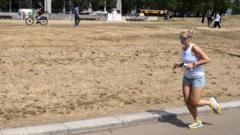
Reported facts: BBC states central England is in its longest dry spell in over 30 years and that parts of the UK are moving closer to drought. Attributed claims: the article attributes concern about drought risk and uncertainty about when substantial rainfall will occur. Uncertainty: the article does not provide quantitative rainfall deficits, reservoir or groundwater levels, forecasts, or statements from national water agencies to clarify the scale or immediacy of impacts.
Source and Framing Analysis
The BBC item is short and framed as a cautionary weather/environment update. The framing emphasizes duration of the dry spell and concern about drought without supplying supporting meteorological or hydrological data in the piece supplied here (e.g., rainfall deficits, reservoir usage, drought declarations). That lack of detail affects how decisively readers should judge the immediacy and scale of the threat.
Biblical Reflection
The Bible frames humanity as caretakers of God’s creation; repeated dry conditions are a sober reminder of that duty. We should interpret this report as an invitation to faithful, practical responses rather than panic. Practically, that means conserving water, checking on neighbors (especially those whose livelihoods depend on water), and supporting public policies and community efforts that protect shared resources and the vulnerable.
At the same time, Christian virtue calls for humility before scientific uncertainty: this short report does not resolve how severe or prolonged the drought will be. Christians should avoid weaponizing environmental reports for partisan gain and instead press for clear information from experts, relief for those already harmed, and long-term stewardship that expresses love for neighbor and creation.
Finally, this kind of environmental stress highlights justice concerns: low-income households and small farmers often feel shortages first and most severely. A faithful response centers mercy and practical assistance alongside prayer, trusting God while acting with wisdom and courage to alleviate suffering.
Scripture in context
- 1Genesis 2:15 — In the early chapters of Genesis, the human role is described as caring for the garden; the passage situates human work inside God's good creation and responsibility. — This story undergirds a theology of stewardship: environmental strain like drought calls Christians to responsible management of resources and concern for those harmed by ecological stress.
- 2Matthew 25:35-40 — Jesus speaks about caring for the hungry, thirsty, and strangers as service to him; the passage is set within a judgment scene emphasizing compassion for the needy. — When drought threatens water access or livelihoods, Christians are called to practical acts of mercy that respond to immediate human need and affirm the dignity of neighbors.
Faithful Response
Conserve water at home and in church facilities; implement or promote simple measures (reduce lawn watering, repair leaks, install efficient fixtures).
Check on vulnerable neighbors and local farmers; organize or support community assistance for those facing water-related hardship.
Encourage local church education about creation care and practical preparedness (store emergency water, share resources), and advocate for equitable water management with local officials.
Pray regularly for wisdom for leaders, relief for affected communities, and for faithful stewardship of creation.
Reflection and Discussion
- 1Who in our local community is most likely to be harmed by prolonged dry conditions, and how can our congregation prepare to help them?
- 2How can we balance prayerful dependence on God with responsible action that seeks scientific guidance and practical solutions?
- 3Are our personal and congregational resource habits aligned with a call to steward creation and protect the vulnerable?
Sources
Reporting links are evidence inputs; Sanctuary News' biblical reflection is commentary.
This outlook currently relies on fewer than two linked sources. Broaden verification before teaching from it.
- 1.Parts of the UK move closer to droughtprimary_reporting