News Summary
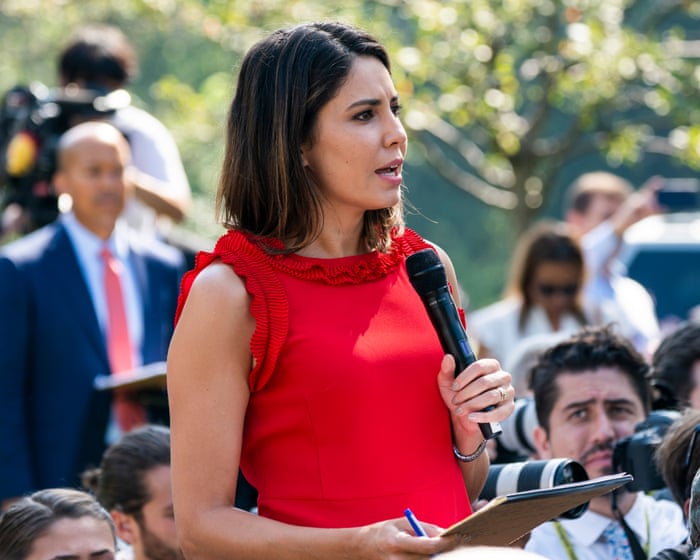
Reported facts: The Guardian reports that Cecilia Vega, identified as a former 60 Minutes correspondent, said onstage at the National Association of Hispanic Journalists conference in New Orleans that she felt pressured by CBS News executives to incorporate "political bias" into 60 Minutes segments; the onstage interview was with ABC's John Quiñones. Attribution: The Guardian article attributes the first reporting of Vega's comments to Status. Uncertainties: The supplied reporting does not provide direct quotations beyond the phrase "political bias," does not name specific executives, episodes, dates, or internal communications, and does not include a response from CBS News or corroboration from additional independent sources.
Source and Framing Analysis
Material uncertainty: The report is based on a public onstage remark and is summarized by The Guardian; the story as supplied lacks primary supporting evidence such as recordings, transcripts, or named witnesses and contains no response from CBS News in the supplied text. Framing: The headline and lead emphasize an allegation of pressure to add political bias; without detailed examples or corroboration this framing risks suggesting systemic institutional misconduct beyond what is documented. These gaps materially affect how confident readers should be about the scope and specifics of the claim.
Biblical Reflection
When a journalist reports feeling pressured to introduce political slant into news reporting, it raises serious concerns about truth-telling and institutional integrity—both core Christian values. Christians should care about the health of information ecosystems because truthful reporting is necessary for informed civic life and for loving our neighbors well. At the same time, absent corroborating details the report should be approached with careful discernment: a single public statement raises questions but does not by itself document sustained institutional malpractice.
Our posture should combine a hunger for truth with measured humility and mercy. That means seeking further evidence, praying for all involved, and resisting the temptation to weaponize the allegation for partisan advantage. It also means encouraging institutions and colleagues to pursue transparent processes that protect honest reporting and the common good.
Practically, Christians can advocate for ethical journalism, support independent reporting, and model integrity in their own speech. Where wrongdoing is suspected, call for accountable, fair investigation rather than rumor or summary judgment.
Scripture in context
- 1Ephesians 4:25 — Paul instructs the early Christian community to live as a renewed people, putting away falsehood and speaking truthfully to one another because members of the body depend on truthful speech for mutual care. — This passage calls Christians to uphold truth in communication and to demand honesty in institutions; it shapes how we evaluate claims, urging both truthful testimony and charitable, thorough inquiry rather than rumor or slander.
Faithful Response
Pray for everyone involved—reporters, editors, executives, and audiences—and ask for clarity and humility in public discourse.
Seek primary evidence before forming or amplifying judgments: look for recordings, transcripts, follow-up reporting, and official responses.
Support reputable journalism and media-literacy efforts that teach how to evaluate sources and identify bias while preserving charitable engagement.
Speak truthfully and gently in public conversations about the story, resisting partisan amplification or personal attacks.
Reflection and Discussion
- 1When a public allegation lacks detailed evidence, how should Scripture and charity shape our willingness to believe, doubt, or withhold judgment?
- 2How can Christians promote institutions that balance editorial independence with accountability so reporting serves the common good?
- 3What habits of speech and listening do we need to cultivate to practice truth and mercy in an age of rapid headlines?
Sources
Reporting links are evidence inputs; Sanctuary News' biblical reflection is commentary.
This outlook currently relies on fewer than two linked sources. Broaden verification before teaching from it.
- 1.Cecilia Vega of 60 Minutes says she felt pressure from CBS to add ‘political bias’primary_reporting