News Summary
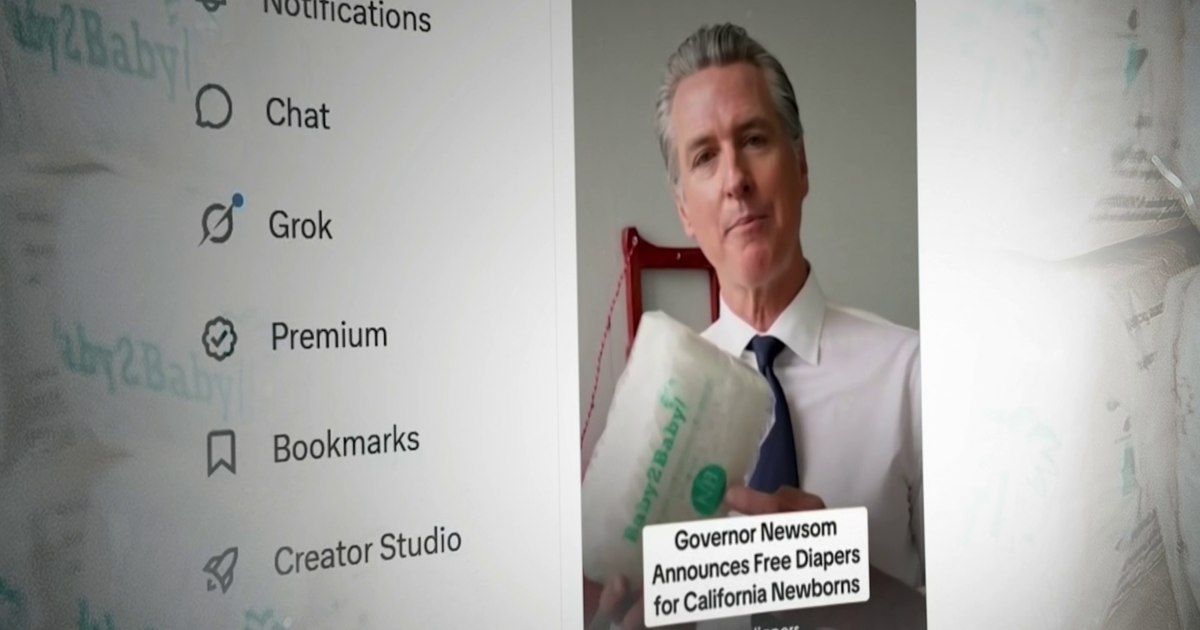
Viral social-media posts claimed California would pay about $0.50 per diaper under the newly announced Golden State Start diaper program, citing a $20 million two-year figure and 40 million diapers. CBS News California Investigates reviewed state budget documents, Baby2Baby tax filings, and public statements and found that the 50-cent calculation misapplies the budget figures. Lawmakers have so far approved $7.4 million for the program's first year to cover 40 million diapers (about $0.185 per diaper). The Newsom administration cites a $6.2 million Baby2Baby contract covering part of the program and says that contract equates to about $0.155 per diaper; that agency calculation counts vendor manufacturing/warehousing/implementation only and does not include state staffing, oversight, or other agency costs. CBS also found that Baby2Baby's public IRS filings list co-CEO compensation near $77,566 for each co-CEO (contradicting some online claims of much higher executive pay) and show the nonprofit reported more than $70 million in revenue in its most recent return. The state previously allocated $1.5 million to Baby2Baby in 2023–24 for diaper distribution in Los Angeles County; Baby2Baby says that payment appears in a restricted portion of its tax filing. The Newsom administration has declined to provide the Baby2Baby contract, competitive bid records, and scoring/selection documents to CBS News California Investigates, saying it needs more time to determine disclosure under the California Public Records Act. Officials maintain the vendor was selected through a competitive process and that diapers will be handed directly to qualifying families by participating hospitals. Independent questions remain about the undisclosed contract details, the selection process and potential conflicts of interest raised because of personal relationships between some nonprofit leaders and the First Partner, and practical concerns about bulk diaper distribution and potential waste given newborns' rapid size changes. The reporting notes diaper insecurity is a documented need and that broader questions persist about oversight, transparency, and whether taxpayers should fund free diapers.
Biblical Reflection
This story sits at the intersection of two Christian concerns: care for vulnerable families and faithful stewardship of public resources. The viral 50‑cent claim shows how quickly incomplete arithmetic can inflame public opinion; equally, the administration's partial explanations and refusal so far to release the contract and bid records fuel reasonable distrust. From a biblical vantage, charity toward families with young children is a moral good—we should welcome efforts to ease diaper insecurity—but charity carried out by government or partners requires accountability, honest accounting, and transparent processes. The article reveals selective framing on both sides: critics simplified the budget to create outrage, while officials have emphasized the lowest unit-cost calculation and delayed full disclosure of procurement records. Such selective presentation undermines trust and harms the common good. Christians should resist partisan amplification that prizes victory over truth, press for the facts without demonizing individuals, and insist that programs designed to help the poor also honor the biblical call to honest scales, open hands, and responsible stewardship. Practically, the lack of released contracts and bid documents is a governance problem that hinders independent verification and prudent oversight—an issue Christians can address through patient, courageous requests for transparency rather than reflexive condemnation or blind defense.
Scripture in context
This outlook does not yet include contextual Scripture citations. Do not treat a general biblical theme as an exegetical conclusion.
Faithful Response
No prescribed response is offered. Consider the reflection prompts below in your own church context.
Reflection and Discussion
- 1Which numbers or calculations are being highlighted or omitted by each side, and how does that shaping of facts influence public trust?
- 2How does our concern for vulnerable children coexist with the need to ask hard questions about procurement, oversight, and potential conflicts of interest?
- 3When a public program is intended to serve the poor, what forms of transparency and accountability should Christians expect and demand from leaders?
Sources
Reporting links are evidence inputs; Sanctuary News' biblical reflection is commentary.
This outlook currently relies on fewer than two linked sources. Broaden verification before teaching from it.
- 1.Original reportprimary