News Summary
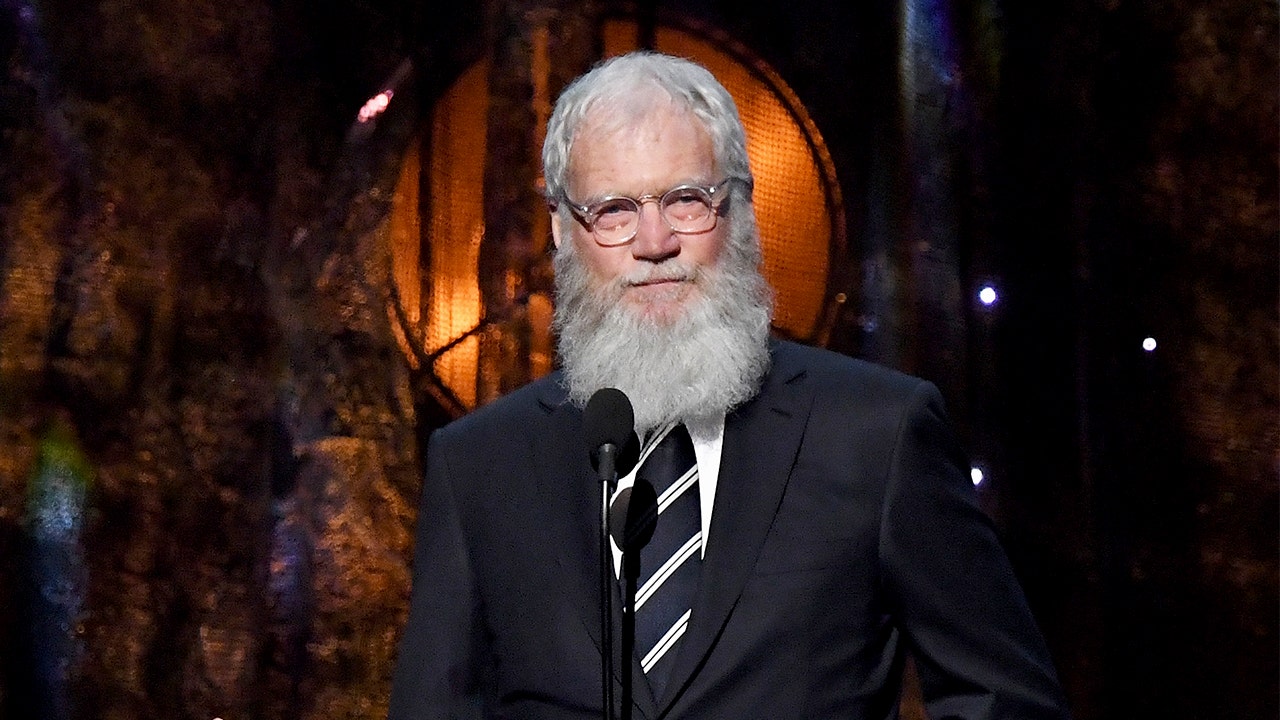
CBS announced in July that it canceled The Late Show with Stephen Colbert; the program will go off the air next month. The network has agreed to lease Colbert’s former time slot to Byron Allen’s program Comics Unleashed, with Allen Media Group footing the airtime costs and selling advertising. David Letterman, former Late Show host, told an interviewer that CBS is replacing Colbert’s show to save money, saying the network “doesn’t want to spend any money.” Entertainment journalist Matt Belloni said the Late Show had been losing approximately $40 million per year and was operating on a reported $100 million budget per season. Some liberal critics have alleged the cancellation was politically motivated—suggesting CBS/Paramount sought to appease former President Donald Trump in connection with a planned Paramount Global–Skydance merger—though those claims are presented as accusations rather than confirmed facts in the reporting. Trade outlets and critics have also commented on late-night ratings pressures and changing audience habits (podcasts, streaming) as broader context. Fox News Digital reported the story and noted it had not received an immediate response from CBS.
Biblical Reflection
This story sits at the intersection of cultural influence and business realities. The facts presented show a network making a financial decision (leasing airtime to an outside producer) and public figures offering interpretation. Letterman’s comment is an opinion about motive: it highlights cost-cutting but is not proof of all underlying reasons. The article also relays partisan claims (that the cancellation was to curry favor with a political figure) without definitive evidence. Christians should be attentive to both truth-seeking and tempering quick conclusions. Media organizations operate under economic pressures and changing audience patterns; consolidation and profitability often drive programming choices. At the same time, cultural platforms shape public conversation; the decline or replacement of prominent voices matters for public discourse and for how communities receive moral and cultural formation. Beware of narratives that convert business decisions into moral conspiracies without corroboration. Scripturally grounded discernment calls us to seek honest facts, avoid slander or rash accusations (Proverbs 18:13), and respond to cultural change with prayerful wisdom. Also remember the human side: job losses, creative work disrupted, and communities of viewers affected deserve compassionate concern. Finally, consider how our own media consumption and tribal loyalties shape how we interpret stories—ask whether anger or political affinity is driving quick acceptance of a particular explanation.
Scripture in context
This outlook does not yet include contextual Scripture citations. Do not treat a general biblical theme as an exegetical conclusion.
Faithful Response
No prescribed response is offered. Consider the reflection prompts below in your own church context.
Reflection and Discussion
- 1What economic incentives are clearly driving the actions described, and where does the article move from reporting facts into interpreting motives without hard evidence?
- 2How does the article’s framing (choice of quotes, placement of accusations, language about 'appeasing' a political figure) shape your emotional response before you check independent sources?
- 3In a media landscape driven by profit and consolidation, how should Christians weigh cultural loss (fewer outspoken platforms) against responsibilities for truthful, charitable discernment?
Sources
Reporting links are evidence inputs; Sanctuary News' biblical reflection is commentary.
This outlook currently relies on fewer than two linked sources. Broaden verification before teaching from it.
- 1.Original reportprimary