News Summary
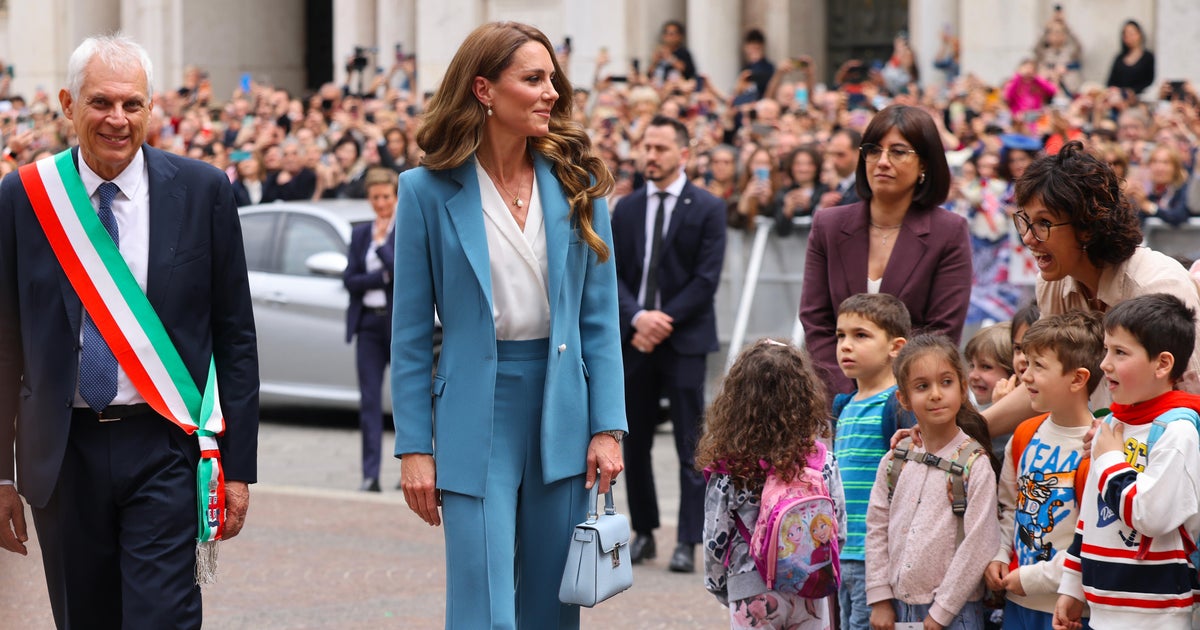
Catherine, Princess of Wales, arrived in Reggio Emilia, northern Italy, for a two-day visit focused on early childhood development. This is her first foreign trip since announcing a cancer diagnosis in March 2024 and completing six months of chemotherapy. The visit coincides with her Royal Foundation Center for Early Childhood expanding internationally; she planned meetings with local families, educators and community leaders to study approaches that emphasize creativity and relationships in early learning. The trip follows a period of carefully managed public appearances by the princess as she returned to public life. The article notes that, on the same day, King Charles III — Catherine's father‑in‑law, who is also undergoing cancer treatment — delivered a formal speech marking the opening of a new session of the British Parliament. Catherine described the visit as a "special trip" and praised Reggio Emilia's approach to childhood learning.
Biblical Reflection
Factually, the article reports a public figure resuming international duties after medical treatment and using her platform to promote a charity cause. From a Christian perspective, several themes stand out. First, there is a call to compassion: public knowledge of illness invites prayer and practical care for those who suffer (Hebrews 13:3). Catherine’s decision to focus the trip on early childhood development aligns with biblical concern for children and community investment in the vulnerable (e.g., Matthew 19:14; James 1:27). Second, the piece reflects contemporary celebrity culture — the tendency to frame private suffering as public spectacle and to celebrate rapid returns to duty as moral resilience. Christians should be cautious about elevating public visibility to the measure of faithfulness; scripture honors quiet humility and sacrificial service as much as public leadership (Matthew 6:1–4). Third, using influence to advance charitable, child‑focused work is positive and can be stewarded as an example of Godly service if motivated by genuine care rather than image. Finally, be aware of subtle media language (phrases such as "shocked the world" or emphasizing the "first time back on the world stage") that amplifies drama. The truthful core — a person recovering from illness choosing to serve children internationally — invites both empathy and sober reflection about how we treat public suffering and the causes we choose to support.
Scripture in context
This outlook does not yet include contextual Scripture citations. Do not treat a general biblical theme as an exegetical conclusion.
Faithful Response
No prescribed response is offered. Consider the reflection prompts below in your own church context.
Reflection and Discussion
- 1Does the article invite genuine empathy for a person in recovery, or does it primarily feed celebrity fascination with a dramatic comeback?
- 2How does the focus on early childhood development reveal values we should affirm or critique from a biblical standpoint?
- 3Are we treating public leaders' illnesses as opportunities to pray and serve, or as occasions for spectacle and gossip?
Sources
Reporting links are evidence inputs; Sanctuary News' biblical reflection is commentary.
This outlook currently relies on fewer than two linked sources. Broaden verification before teaching from it.
- 1.Original reportprimary