News Summary
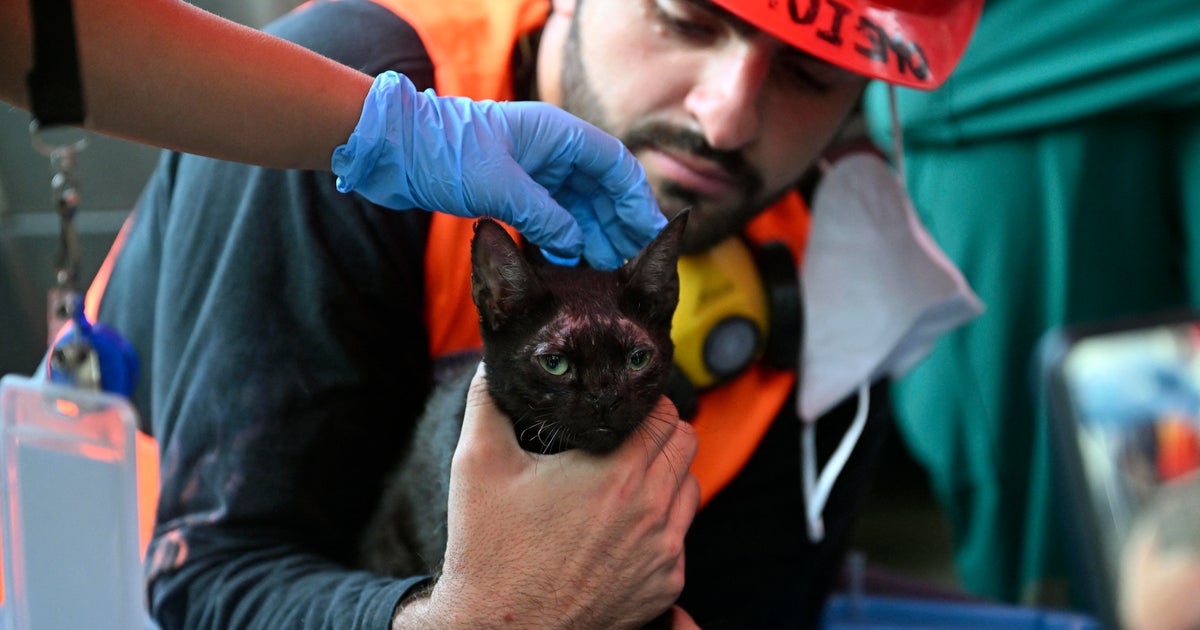
Reported facts: CBS News reports that, following an earthquake in Venezuela, a weakened cat was freed from under the rubble of a collapsed residential complex; a rescuer labeled the event a “ray of hope.” The article states the death toll from the quake has topped 5,200. Attributed claims: the quote attributed to a rescuer comes from the article. Uncertainties: the article provides no additional details about the earthquake’s magnitude, the exact location of the collapsed building, the timeline of the rescue, the identity or organization of the rescuers, or independent confirmation of the death toll.
Source and Framing Analysis
The single supplied source (CBS News) presents a concise human-interest detail inside reporting on a large-scale disaster. The inclusion of a rescued cat is a common narrative device to provide hope and emotional relief. That framing is not inherently misleading, but it can draw attention away from broader material needs and official figures that require independent confirmation. Material uncertainties—such as precise casualty counts, the status of rescue operations, and the scope of humanitarian response—affect how readers should interpret the story’s implications.
Biblical Reflection
The story highlights human compassion and the instinct to find hope amid large-scale suffering. Focusing on a small, life-saving moment — the rescue of an animal — can provide emotional relief and point us toward empathy, but it should not distract from the scale of human loss or the urgent needs of survivors. Christians should read this as a call to lament with those who grieve, to support tangible relief efforts, and to exercise mercy toward both people and creatures affected by disaster. The article itself offers a factual, brief human-interest detail; it contains limited contextual information about the wider humanitarian response, so readers should be cautious about drawing conclusions from a single, uplifting anecdote amid a major tragedy.
Scripture in context
- 1Matthew 25:35-40 — In this passage Jesus speaks about caring for strangers, the hungry, the thirsty, the sick, and prisoners, identifying such acts of compassion as service to him; it addresses the ethical demand to care for those in physical need and frames such care as the criterion for faithful discipleship. — The passage calls Christians to practical mercy toward disaster survivors — feeding, sheltering, tending the injured — and to see such service not as optional charity but as integral to following Christ.
- 2Psalm 34 (selected verses) — Psalm 34 includes lament and thanksgiving, describing God’s nearness to the brokenhearted and deliverance of the afflicted; it models turning to God in distress and praising God for rescue. — The psalm guides a faithful response that combines honest lament over loss with gratitude for acts of rescue, encouraging prayer, consolation, and trust while pursuing relief work.
Faithful Response
Pray specifically for victims, rescuers, and emergency workers, asking God for protection, provision, and wisdom.
Give to reputable relief organizations vetted for effectiveness and accountability to support medical care, shelter, and logistics in affected areas.
Stay informed from multiple reliable sources before sharing or amplifying emotional anecdotes; prioritize information that helps direct practical aid.
Reflection and Discussion
- 1How does the story of a single rescued life move you — to prayer, to giving, to advocacy — and what next concrete step is most faithful now?
- 2When confronted with large-scale suffering, how do you balance emotional responses to symbolic hope with commitments to sustained, organized aid?
- 3How should the church encourage its members to think about stewardship and mercy in response to disaster reporting?
Sources
Reporting links are evidence inputs; Sanctuary News' biblical reflection is commentary.
This outlook currently relies on fewer than two linked sources. Broaden verification before teaching from it.
- 1.Cat pulled from Venezuela quake rubble as death toll tops 5,200primary_reporting