News Summary
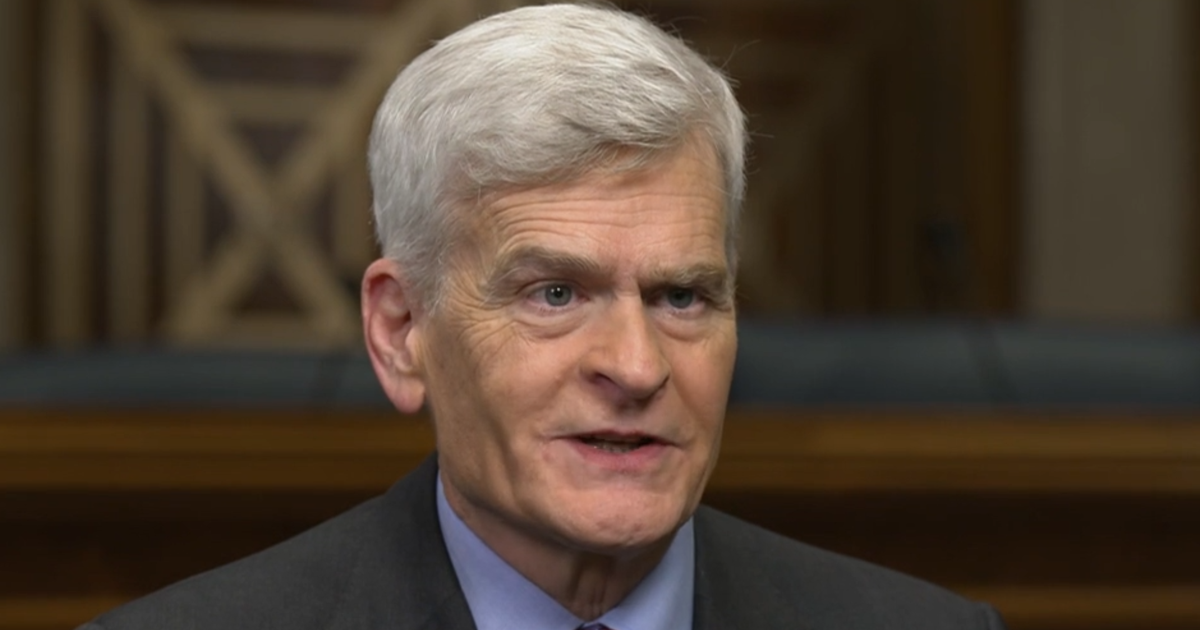
On June 25, 2026, CBS News reported that Republican Sen. Bill Cassidy of Louisiana withdrew his support for a Democrat-led Senate effort to restrict President Trump's war powers regarding Iran after receiving a White House briefing. Cassidy said he secured the briefing by slipping a note to the president's Middle East envoy, Steve Witkoff, following a heated exchange with President Trump at a closed Senate Republican lunch where both raised their voices. Cassidy told Margaret Brennan he had originally supported earlier war-powers measures because senators had not been briefed; after the briefings he concluded the administration had a plausible plan to meet its objectives (degrading Iran's nuclear capability, ballistic missiles, and conventional warfare capacity) and voted against the Democratic effort that night, helping defeat it. Cassidy said his decision was driven by obtaining information he felt was necessary to serve his constituents and compared his fact-seeking to his medical training. The article reports Cassidy lost his Senate primary in May and quotes his remarks about not accepting berating from the president during the meeting.
Biblical Reflection
This story centers on decision-making under pressure, the flow of information between the executive branch and Congress, and how private briefings can shape votes on matters of war. The article relays Cassidy's account without independent verification of briefing contents or outcomes; readers should note the piece presents his explanation for reversing course rather than documentary proof that the briefing achieved the stated objectives. From a Christian perspective, seeking accurate information before acting is responsible and aligns with pursuing truth, but the dynamics described — private notes, one-on-one influence, raised tempers, and public policy about war — raise important moral questions about accountability, humility, and care for those who would bear the consequences of military action. Christians should value Congress's role as a check on executive power and insist on transparency and sober deliberation when human life is at stake. Pastoral discernment here calls for both courage to hold leaders accountable and mercy toward leaders under pressure, while prioritizing the protection of civilians and the vulnerable affected by decisions about force.
Scripture in context
This outlook does not yet include contextual Scripture citations. Do not treat a general biblical theme as an exegetical conclusion.
Faithful Response
No prescribed response is offered. Consider the reflection prompts below in your own church context.
Reflection and Discussion
- 1Is the article reporting claims about the briefing or independently confirming that the administration’s plan can achieve its stated objectives?
- 2How does reliance on closed briefings and private influence affect the constitutional role of Congress to deliberate and check executive military power?
- 3When policy decisions involve potential violence, are transparency and public accountability being prioritized over political convenience?
Sources
Reporting links are evidence inputs; Sanctuary News' biblical reflection is commentary.
This outlook currently relies on fewer than two linked sources. Broaden verification before teaching from it.
- 1.Original reportprimary