News Summary
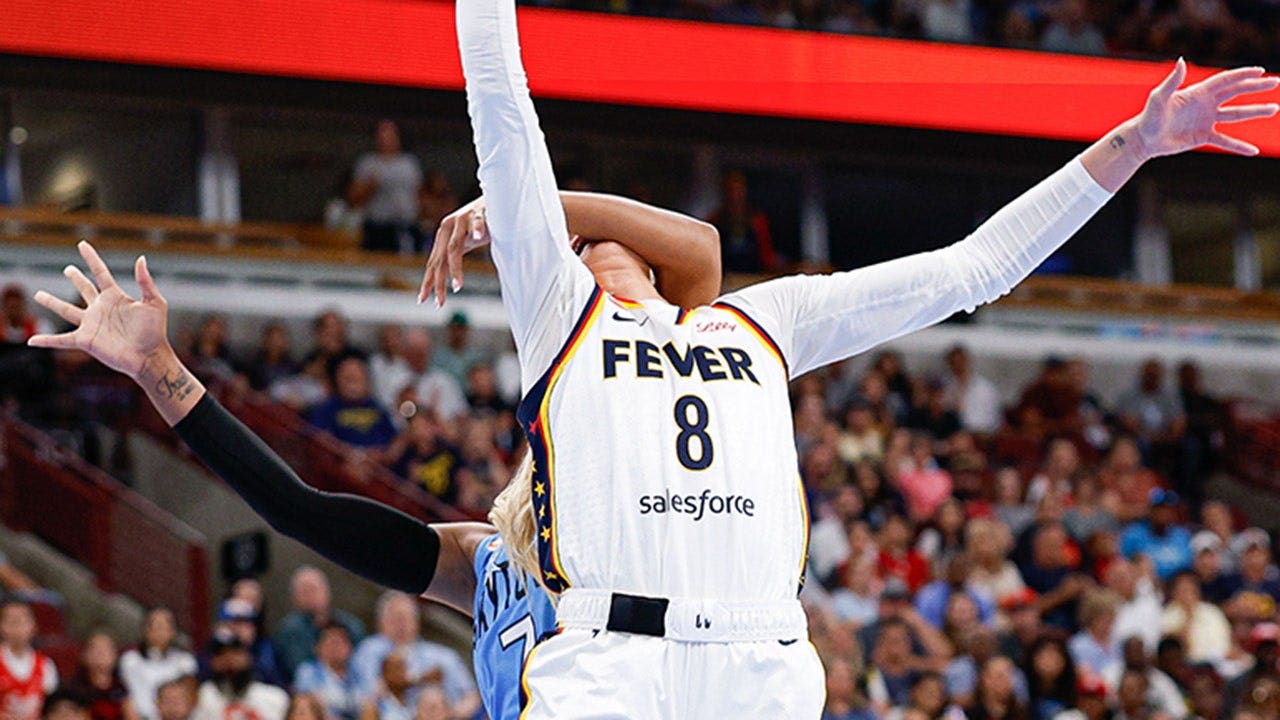
Reported facts: The article reports that DiJonai Carrington was assessed a Flagrant 2 and ejected for striking Sophie Cunningham above the neck during a transition layup; the incident is described as dangerous and led to Carrington leaving the game. Attributed claims: The piece states Carrington posted the phrase "white privilege" aimed at the Indiana Fever and claims that WNBA media defended Carrington quickly; it also characterizes Megan Rapinoe’s commentary as a "ridiculous rant." Uncertainty: The article is a single-sourced opinion piece that does not supply league disciplinary statements, direct quotations from league officials or media defenders, social-media screenshots or timestamps, or independent corroboration of motive or broader patterns of bias.
Source and Framing Analysis
The original Fox News article combines factual reporting about an in‑game ejection with strongly evaluative language and partisan framing (phrases like "glaring bias" and "ridiculous rant"). Material uncertainties affecting the story include the absence of direct quotes from WNBA officials or the players involved, lack of primary evidence (e.g., social‑media screenshots or league disciplinary memos), and no independent corroboration of the asserted pattern of media bias. Those framing choices shape the reader’s interpretation and escalate an isolated disciplinary event into a broader cultural indictment without providing full supporting evidence.
Biblical Reflection
This incident sits at the intersection of two important Christian concerns: care for vulnerable neighbors (player safety) and truthful, humble speech. The immediate factual core—an above‑neck contact that resulted in a Flagrant 2 and ejection—raises legitimate safety and disciplinary questions. Christians should want transparent, impartial enforcement of rules that protect players' bodies and dignity.
At the same time, the article’s language is highly evaluative and partisan. Christians are called both to speak truth and to practice mercy; that means resisting the quick binary of condemnation versus absolution offered through polarized media frames. Before adopting the article’s judgment about media “bias,” seek fuller evidence (league statements, video, direct quotes) and avoid escalating name‑calling or racialized accusations without context.
Finally, the mistake of turning every incident into a proxy for cultural scoring undermines peacemaking. A faithful Christian response will center injured people, demand fair process, and model humility in public speech rather than amplifying partisan rhetoric.
Scripture in context
- 1Matthew 18:15-17 — A teaching of Jesus about addressing conflict within the community: take concerns privately first, then with witnesses, and bring matters to the larger group only if needed; historically aimed at church discipline and reconciliation. — Apply this pattern to sports and media controversies by seeking direct, private clarification where possible (e.g., league statements, athlete communication) before amplifying accusations publicly; favor processes that aim at restoration and clarity over rumor.
- 2Proverbs 31:8-9 — An instruction to speak up for those who cannot speak and defend the rights of the poor and needy; part of wisdom literature urging just speech and action in society. — Use this wisdom to prioritize the welfare of any injured player, to call for fair enforcement of safety rules, and to remind commentators to defend the vulnerable rather than protecting reputations at the expense of safety.
Faithful Response
Pray for the injured player, for wise and transparent league review, and for calm public discourse.
Seek primary sources (league statements, game video, official disciplinary reports) before forming or amplifying strong judgments.
Model restraint in social media: avoid piling on, avoid racialized or inflammatory labels without full context, and advocate publicly for fair safety standards and accountability.
If connected to local sports programs, prioritize teaching sportsmanship, safe play, and respectful conflict resolution.
Reflection and Discussion
- 1When a news item features a person’s alleged wrongdoing and strong editorial language, what steps will I take to verify facts before responding?
- 2How does my desire to be 'on the right side' of a cultural debate affect my willingness to show mercy and seek restorative outcomes?
- 3What would a response shaped by both concern for safety and commitment to truthful, humble speech look like in this case?
Sources
Reporting links are evidence inputs; Sanctuary News' biblical reflection is commentary.
This outlook currently relies on fewer than two linked sources. Broaden verification before teaching from it.
- 1.WNBA media defends DiJonai Carrington after dangerous Sophie Cunningham hit reveals glaring biasprimary_reporting