News Summary
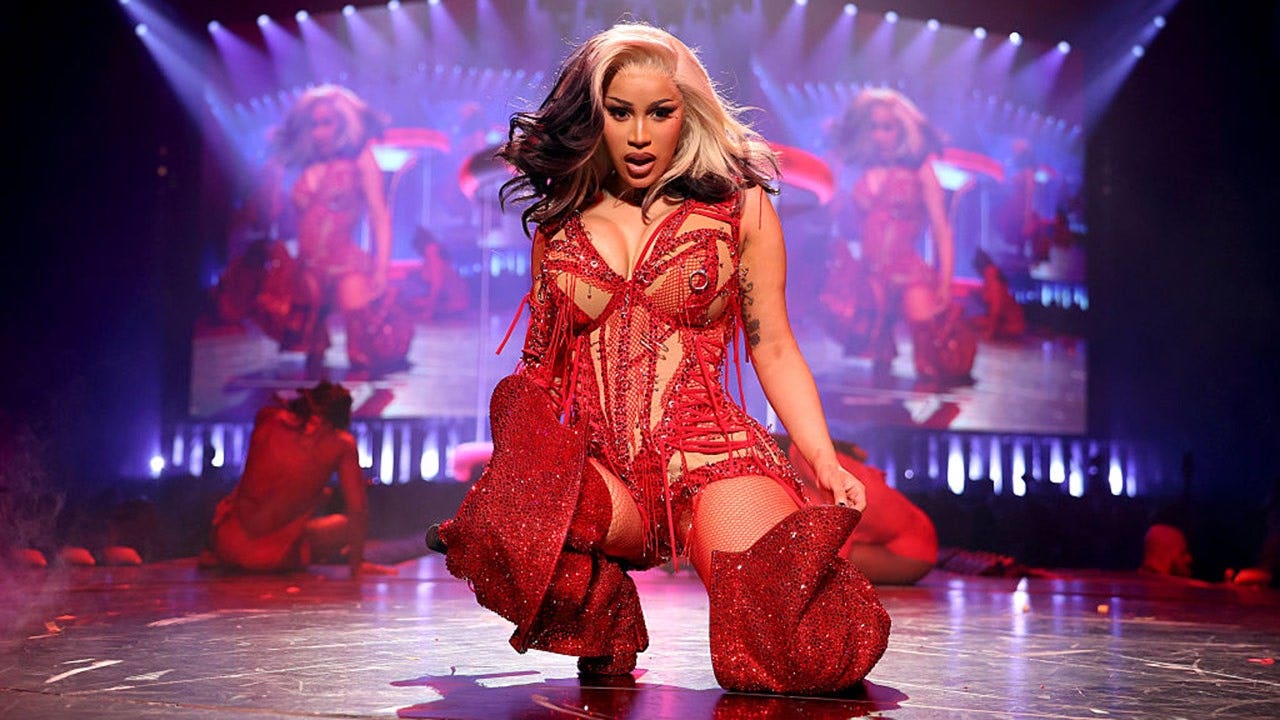
On June 8, 2026, the New York Knicks lost Game 3 of the NBA Finals 115-111 to the San Antonio Spurs at Madison Square Garden, cutting New York's series lead to 2-1. President Donald Trump attended the game, becoming the first sitting U.S. president to attend an NBA Finals game; his presence brought increased Secret Service security and street closures around the arena. Cardi B, who performed at halftime, said on Instagram Live that Trump's attendance made the arena feel "a little dark" and likened it to a principal unexpectedly entering a classroom. The article notes the Knicks shot poorly in the fourth quarter (2-for-12 from three-point range) while Victor Wembanyama scored 32 points for San Antonio. ESPN personality Stephen A. Smith had earlier joked he would blame Trump if the Knicks lost; Trump later criticized Smith's intelligence after the game. The piece observes that attributing the loss to the president is likely a stretch and mentions Game 4 would be played at Madison Square Garden the following night.
Biblical Reflection
The story illustrates how sporting events can become a stage for political symbolism and quick causal narratives. Celebrities and commentators sometimes conflate discomfort, security measures, or team performance with personal or political influence, turning ordinary events into political signifiers. Assessing the truth: there is no evidence that the president’s attendance directly caused the Knicks’ loss; increased security can change an atmosphere but does not determine play-by-play outcomes. Spiritually, Christians are called to pursue truth and resist scapegoating: assigning supernatural or personal blame for complex outcomes can deepen division and distract from honest analysis (for example, coaching, execution, and opponents’ performance). At the same time, public figures have influence, and their actions can heighten emotions—so Christians should respond with humility, avoid rushed judgments, and show mercy toward those who vent or use colorful language about public figures. Media coverage that highlights sensational attributions can encourage tribal thinking; discernment requires checking facts, recognizing rhetorical hyperbole, and refusing to let partisan reflexes turn ordinary losses into moral or spiritual condemnations.
Scripture in context
This outlook does not yet include contextual Scripture citations. Do not treat a general biblical theme as an exegetical conclusion.
Faithful Response
No prescribed response is offered. Consider the reflection prompts below in your own church context.
Reflection and Discussion
- 1Are we assigning moral or supernatural agency to public figures because it simplifies a messy situation?
- 2How does cheering or condemning a person at a game reveal our deeper loyalties and needs for explanation?
- 3When public commentary links politics and entertainment, what evidence should we require before accepting the causal claim?
Sources
Reporting links are evidence inputs; Sanctuary News' biblical reflection is commentary.
This outlook currently relies on fewer than two linked sources. Broaden verification before teaching from it.
- 1.Original reportprimary