News Summary
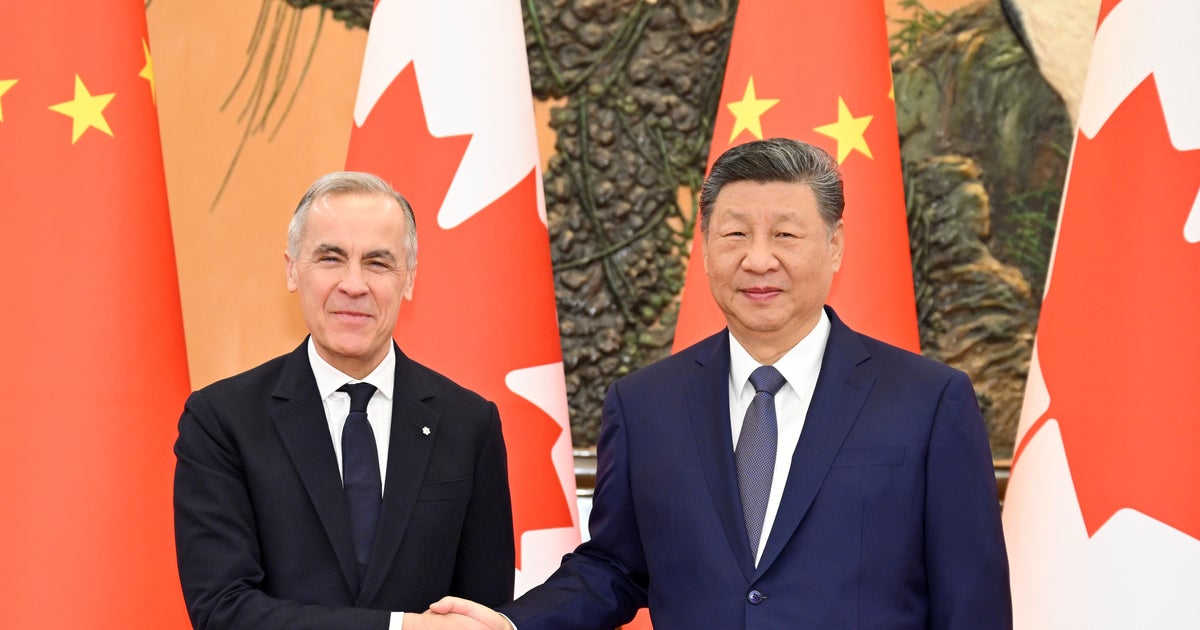
Canada has agreed to reduce its 100% tariff on Chinese electric vehicles (EVs) in exchange for China lowering tariffs on Canadian agricultural products, notably canola seeds. This move comes after a period of strained relations and high tariffs between the two nations, which had significantly affected bilateral trade. The new agreement sets an annual cap on Chinese EVs imported to Canada, starting at 49,000 and rising to 70,000 over five years, while China's tariff on Canadian canola seeds will drop from 84% to about 15%. Prime Minister Mark Carney announced the deal after meetings with Chinese President Xi Jinping, highlighting that China has become a more predictable partner than the United States, particularly under President Trump's protectionist trade policies. The deal is seen as significant for Canadian industry and consumer affordability, with promises of future Chinese investment in Canada's auto sector. The article also notes broader shifts in global trade, with Canada seeking to diversify economic partnerships and reduce reliance on the U.S. amidst ongoing trade tensions.
Biblical Reflection
From a biblical perspective, this story raises questions about national relationships, stewardship, and the pursuit of peace and justice among nations. While international cooperation and the breaking down of barriers can reflect the biblical ideal of living at peace with all (Romans 12:18), the motivations and methods matter. The prioritization of economic benefit over longstanding alliances may risk trust and neighborliness (Proverbs 27:10). Political leaders are called to seek not just national gain but the common good, practicing integrity (Proverbs 11:3), fairness, and responsibility. The deal's impact on workers, farmers, and consumers should be weighed against the scriptural call to love one's neighbor and do justice (Micah 6:8). Additionally, partnerships with nations where major human rights issues persist (as acknowledged by Carney) challenge Christians to pray for wisdom and advocacy for righteousness in the global marketplace. Believers are reminded that economic systems are temporary, and ultimate security is found in God's kingdom, not global trade agreements.
Scripture in context
This outlook does not yet include contextual Scripture citations. Do not treat a general biblical theme as an exegetical conclusion.
Faithful Response
No prescribed response is offered. Consider the reflection prompts below in your own church context.
Reflection and Discussion
- 1How can Christians encourage their leaders to balance economic interests with justice and mercy in international relations?
- 2In what ways might national decisions for economic gain impact our call to love our neighbors, both locally and globally?
- 3How can we pray for wisdom and righteousness for those negotiating in the complex world of global trade?
Sources
Reporting links are evidence inputs; Sanctuary News' biblical reflection is commentary.
This outlook currently relies on fewer than two linked sources. Broaden verification before teaching from it.
- 1.Original reportprimary