News Summary
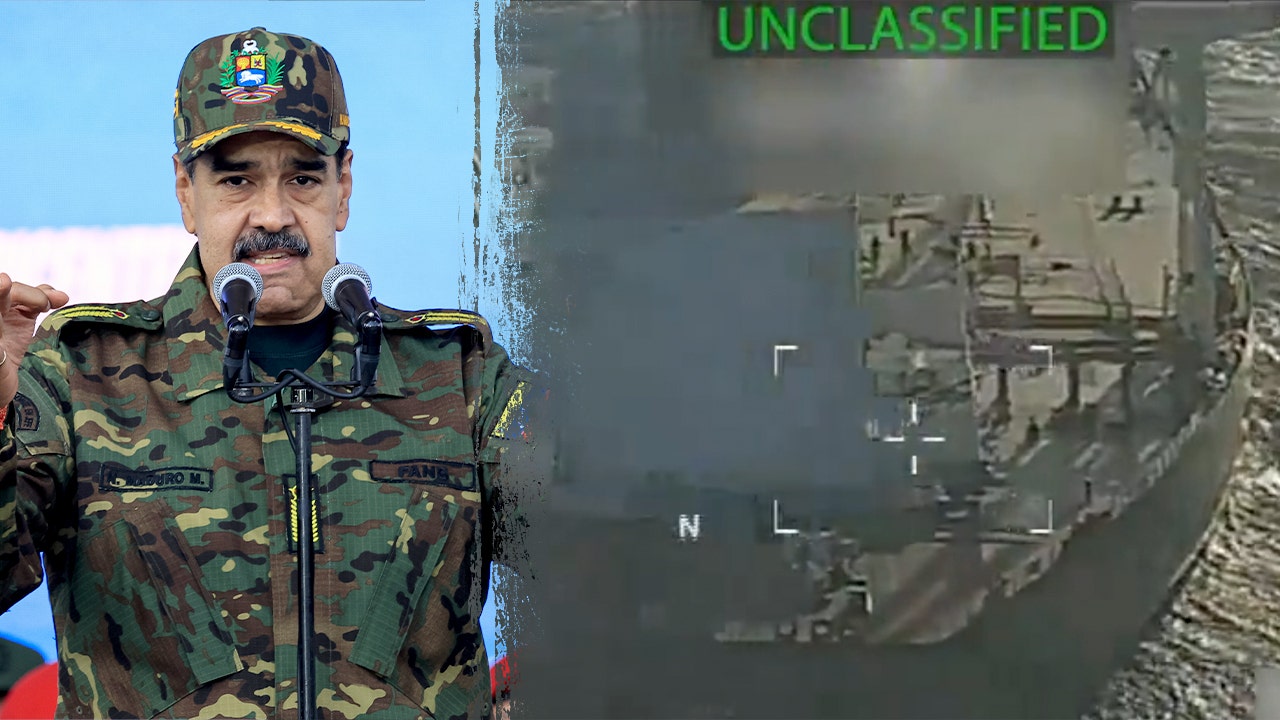
The article discusses the Trump administration's intensified efforts to weaken Venezuelan President Nicolás Maduro's regime by targeting its most vulnerable point: the oil trade. U.S. actions include seizing Venezuelan oil tankers and enforcing a blockade on sanctioned vessels, which has led to millions of barrels of crude being stranded and a sharp decline in revenue for Venezuela. This is significant because oil accounts for the majority of Venezuela's exports and government income. Experts argue that cutting off oil revenue undermines Maduro's ability to pay for loyalty among security forces and political allies, thereby destabilizing the regime. Despite previous sanctions and pressure, Maduro has remained in power, but this new economic offensive is seen as more effective. The article also highlights the humanitarian crisis in Venezuela, with widespread poverty and mass emigration, and notes the regime’s shift toward illicit activities to offset lost income. While some warn of regional instability and humanitarian harm, others claim that weakening Maduro is necessary for the good of the Venezuelan people.
Biblical Reflection
From a Christian perspective, the article raises complex questions about justice, power, and the unintended consequences of political action. Scripture calls for the defense of the oppressed and the pursuit of justice (Isaiah 1:17), yet also warns against placing trust solely in human power or strategies (Psalm 146:3). While the intention to weaken a corrupt regime and relieve suffering may align with biblical calls to stand against oppression, the means—namely, economic sanctions—risk exacerbating the hardship of ordinary Venezuelans, many of whom already face extreme poverty and insecurity. Christians are called to care for the marginalized and to seek peace, advocating for solutions that protect human dignity and do not inflict harm on innocent people. The situation invites prayer for wise, compassionate leadership and for the restoration of justice and prosperity in Venezuela, remembering that true hope and restoration ultimately come from God, not from political maneuvering.
Scripture in context
This outlook does not yet include contextual Scripture citations. Do not treat a general biblical theme as an exegetical conclusion.
Faithful Response
No prescribed response is offered. Consider the reflection prompts below in your own church context.
Reflection and Discussion
- 1How should Christians respond when political action against injustice risks causing suffering to innocent people?
- 2In what ways can we advocate for justice and mercy in international affairs, especially when complex political and economic interests are involved?
- 3How might we pray for both the leaders and the ordinary people affected by such sanctions and conflicts?
Sources
Reporting links are evidence inputs; Sanctuary News' biblical reflection is commentary.
This outlook currently relies on fewer than two linked sources. Broaden verification before teaching from it.
- 1.Original reportprimary