News Summary
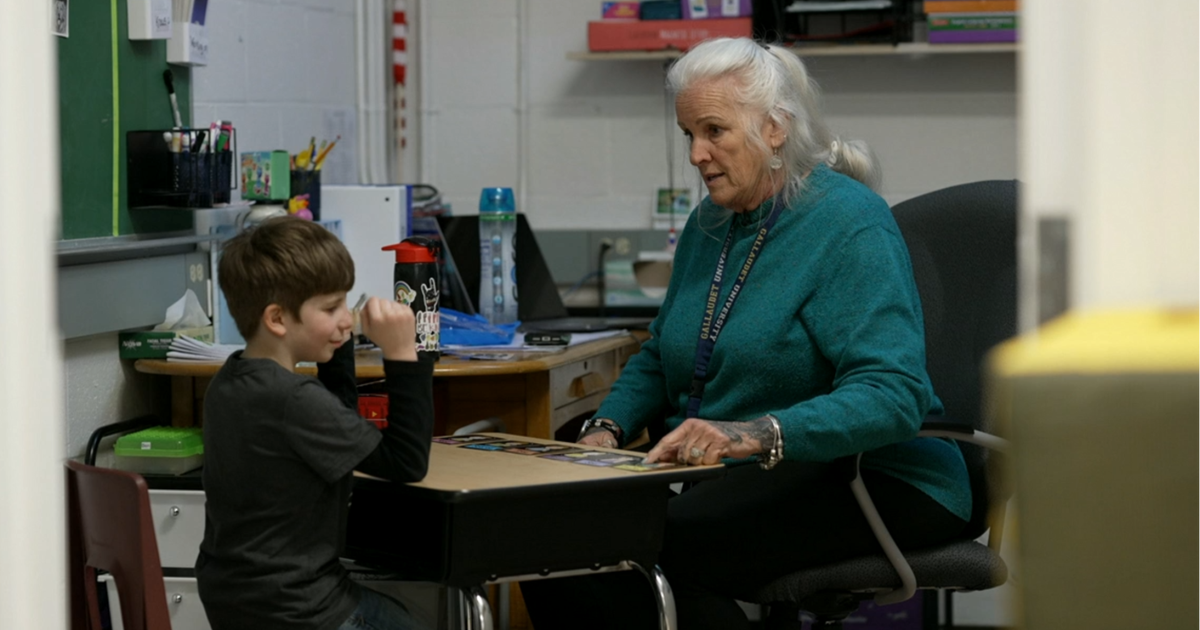
Seven‑year‑old Ben O'Reilly, a first grader at Campton Elementary School in Campton, New Hampshire, is deaf and has additional special needs. New Hampshire does not have a state residential school for the deaf, and Ben is the only deaf student in his school district. Ben initially experienced isolation at school. His aide, Cheryl Ulicny, and classmates began learning basic sign language so they could communicate with him. Over time, most students and many staff members at the school learned at least some signs; teachers in other grades also began taking sign language. Ben's adoptive mothers, Etta and Marlaina O'Reilly, and school staff report that learning sign language expanded Ben's ability to communicate and improved his social connections. The story was reported by CBS News on April 3, 2026.
Biblical Reflection
From a Christian perspective, this story highlights neighborly love and practical compassion in a local community: people learned a language and adapted their behavior to welcome and communicate with a child who had been isolated. That response reflects biblical commitments to dignity, hospitality, and bearing one another's burdens. At the same time, the article largely frames the event around individual and emotional transformation, which can obscure systemic issues—here, a state without a dedicated school for the deaf and the broader need for institutional accessibility. Christians should celebrate the mercy and service shown while also thinking prophetically about justice: personal acts of kindness are vital, but they do not replace advocacy for structures that protect access and inclusion for people with disabilities. Finally, beware of sentimental framing that centers adult emotion rather than the child’s agency; the best accounts uplift the child’s flourishing and right to full participation in community life.
Scripture in context
This outlook does not yet include contextual Scripture citations. Do not treat a general biblical theme as an exegetical conclusion.
Faithful Response
No prescribed response is offered. Consider the reflection prompts below in your own church context.
Reflection and Discussion
- 1Does the story center systemic needs (access, trained services, policy) or primarily individual acts of kindness, and what does that framing encourage us to prioritize?
- 2How does the community’s choice to learn sign language reflect different worldviews—service and solidarity versus pity or tokenism—and which does the article embody?
- 3Are we celebrating a single good act in a way that lets institutions off the hook for providing consistent, equitable access to people with disabilities?
Sources
Reporting links are evidence inputs; Sanctuary News' biblical reflection is commentary.
This outlook currently relies on fewer than two linked sources. Broaden verification before teaching from it.
- 1.Original reportprimary