News Summary
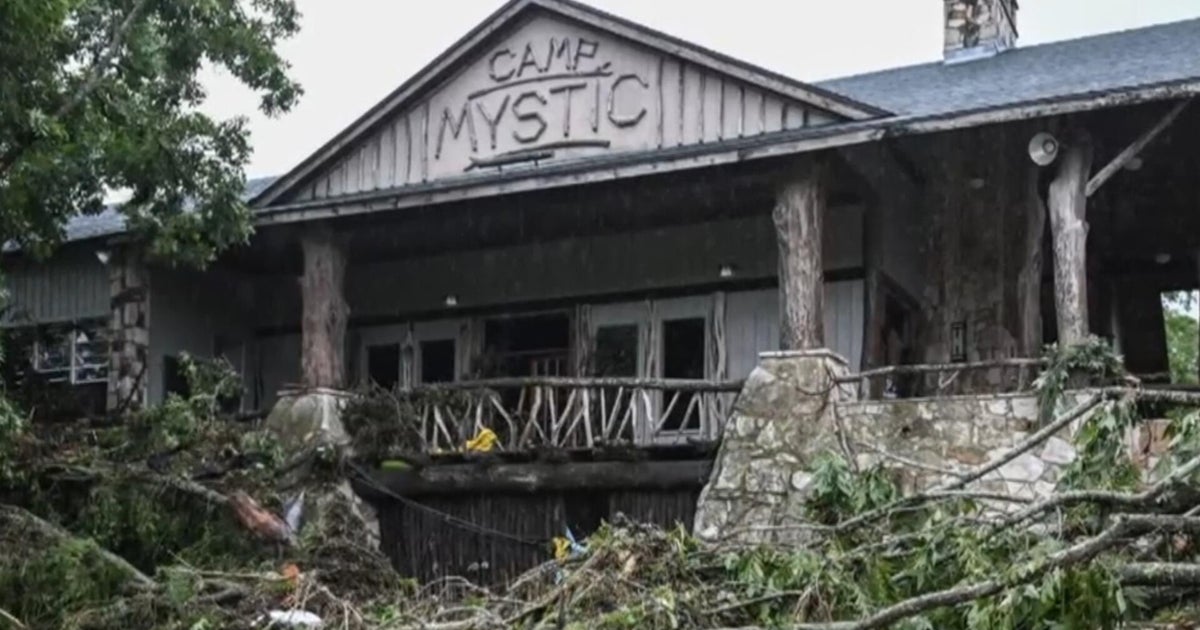
Camp Mystic, the all-girls Christian camp on the Guadalupe River that suffered deadly flooding during July 2025, filed for Chapter 11 bankruptcy in the U.S. Bankruptcy Court for the Southern District of Texas. The filing lists debts exceeding $10 million and assets between $100,001 and $500,000, and indicates funds may be available for between 1,000 and 5,000 unsecured creditors; Edward S. Eastland is listed as the camp’s authorized representative. The bankruptcy follows an investigative report to a joint Texas House and Senate committee that identified multiple failures in the camp’s emergency preparedness and response, including the absence of written emergency plans meeting state requirements, inadequate storm preparation, delayed evacuation despite opportunities to act, and chaotic reunification efforts. State action after the disaster included disciplinary measures against the camp’s chief health officer (a temporary nursing-license suspension later limited), the camp’s withdrawal of its summer 2026 license application, and passage of new state law imposing stricter requirements for youth camps. Nine families have sued the Texas Department of State Health Services alleging the agency improperly licensed the camp despite missing required evacuation plans; some camps and lawmakers have contested parts of the new law, notably the fiber-optic internet requirement. The article notes inconsistent reported counts early in coverage but cites investigators’ findings that the flood resulted in the deaths of 28 people, including campers, counselors, and the camp director.
Biblical Reflection
This story raises urgent questions of responsibility, stewardship, and the protection of the vulnerable. The reporting documents institutional failures — at the camp level and, according to lawsuits, at the state licensing level — rather than simply blaming accident or fate. Christians should insist on truthful, sober accounting: grieving families deserve clear facts, accountability where negligence occurred, and reforms that prevent recurrence. At the same time, faithful discernment resists easy scapegoating or politicized simplifications; systemic failures often involve many actors and require both justice and wise regulation. The debate over costly technical mandates (like fiber-optic requirements) illustrates a real tension: how to design regulations that actually protect children without imposing burdens that make safe programs impossible. Pastoral concerns include care for survivors and bereaved families, repentance and restitution where wrongdoing is found, and public advocacy for safeguards that prioritize life and the weakest among us.
Scripture in context
This outlook does not yet include contextual Scripture citations. Do not treat a general biblical theme as an exegetical conclusion.
Faithful Response
No prescribed response is offered. Consider the reflection prompts below in your own church context.
Reflection and Discussion
- 1What institutional gaps allowed this tragedy to happen, and which parties should bear responsibility for system-level failures?
- 2When safety reforms impose significant costs, how do we evaluate whether they truly improve protection or unintentionally shift risk away from the most vulnerable?
- 3How should Christian communities balance demands for justice with pastoral care for grieving families, accused staff, and regulators caught between oversight and limited resources?
Sources
Reporting links are evidence inputs; Sanctuary News' biblical reflection is commentary.
This outlook currently relies on fewer than two linked sources. Broaden verification before teaching from it.
- 1.Original reportprimary